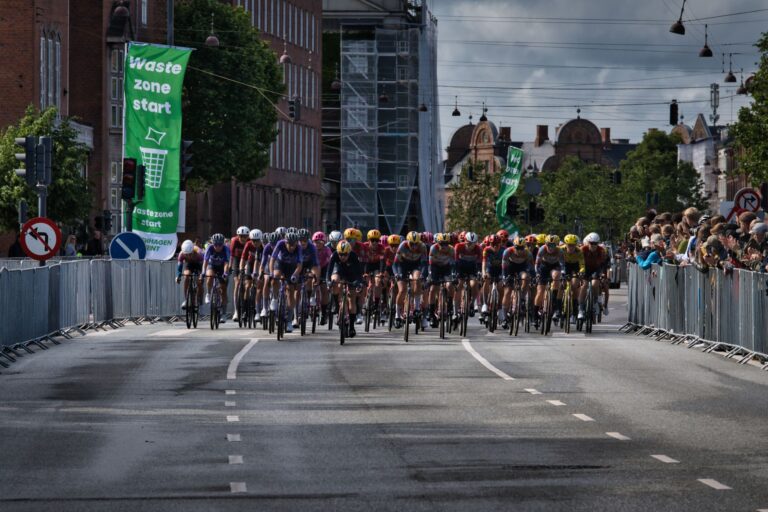
Cyclists can build a cadence training plan by adding one or two short cadence sessions to regular riding and progressing effort gradually. Cadence means pedal speed, counted in revolutions per minute, and training teaches the legs to hold a chosen rate under different loads. Start from comfortable riding, then use drills for high-rpm control, low-rpm strength, and steady cruising. A simple weekly rhythm plus easy recovery spins lets skill build without excess fatigue.
Table of Contents
- What cadence range should you use?
- What does a weekly plan look like?
- Which workouts build smooth pedaling?
- How should recovery and progression work?
- Frequently Asked Questions
What cadence range should you use?
Use self-selected cadence as the baseline, then train around it. Many riders cruise comfortably near the middle range on flat roads. That comfort point shifts with fitness, terrain, and fatigue. High cadence means faster, lighter pedal turns in an easier gear.
Low cadence means slower, heavier turns in a harder gear. Both have uses, and neither works best for every situation. Pick three zones for training. Use a comfortable zone for endurance, a higher zone for speed control, and a lower zone for climbing strength. Hold each zone by shifting gears, not by forcing the knees or bouncing in the saddle.
What does a weekly plan look like?
Keep most riding normal and dedicate limited time to cadence work. One focused session suits beginners, while experienced riders often handle two. Leave at least one easy day between hard sessions.
A balanced week might include: Match session length to fitness and schedule. A 60-minute ride can hold useful cadence work. Longer rides can spread the same drills with more easy pedaling between efforts.
- one endurance ride with short cadence intervals
- one drill session with high- and low-cadence repeats
- one or two easy recovery spins
- rest or cross-training as needed
Which workouts build smooth pedaling?
Spin-ups teach leg speed without strain. Shift to an easy gear, raise pedal speed for 20 to 30 seconds, then spin easy until breathing settles. Keep hips still and stop the interval if form breaks down. Use steady holds for cruising efficiency.
Pick a flat stretch, select a gear that lets you hold your target rate, and ride for five to ten minutes. Rest with easy pedaling, then repeat once or twice. Use seated climbs for force at low speed. Choose a gentle slope, shift harder until pedal speed drops, and climb seated for two to four minutes. Keep pressure even through the full circle and stand only if form stays smooth.
How should recovery and progression work?
Place easy spinning after hard cadence days. Pedal in a light gear at a comfortable rate for 20 to 45 minutes. The goal is loose legs and steady breathing, not training stress. Progress by adding small amounts, then holding the new load.
Add one repeat, lengthen intervals slightly, or raise target speed by a few turns per minute. Keep total cadence work to a small share of weekly riding time. Cut back if knees ache, form collapses, or fatigue carries into the next ride. Shorten the next session, return to comfortable cadence, and rebuild only when pedaling feels smooth again.
Frequently Asked Questions
Do I need a cadence sensor to start?
No. Count strokes on one side for 15 seconds and multiply by four for a rough rate. A sensor helps hold targets, but feel and gear choice can guide early drills.
Can I do cadence training indoors?
Yes. A stationary bike or trainer makes steady intervals easier because speed and slope stay constant. Use a fan, an easy warm-up, and short repeats with full recovery spins.
What if low-cadence work bothers my knees?
Shift easier, shorten the interval, and keep pressure smooth. Stop the drill if pain appears and ride at comfortable cadence until the joint feels normal again.