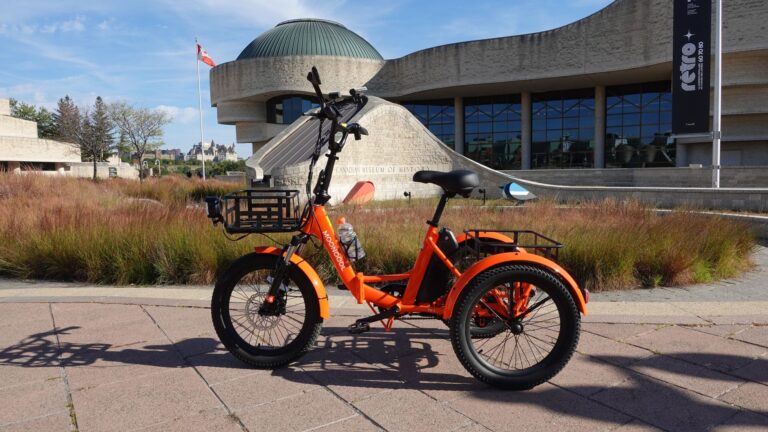
The best compact-wheel bikes for maneuverable urban transportation are models with 16- to 20-inch wheels that balance quick steering, easy storage, and stable braking. Cyclists should compare ride fit, gear range, folded size, and carry weight rather than wheel size alone.
Compact-wheel bikes include folding commuters, small-wheel city bikes, and compact cargo designs. These bikes suit riders who turn often, share space, and carry or store a bike indoors. Smaller wheels change handling and fit, so frame adjustment and component choice matter more than on a standard city bike.
Table of Contents
- How do smaller wheels change city handling?
- What should you compare before you buy?
- How do fold, weight, and carry affect daily use?
- How do you set up a safe, comfortable ride?
How do smaller wheels change city handling?
Small wheels accelerate promptly and turn in tight spaces such as bike lanes, lobbies, and station platforms. The steering can feel quick at first, especially with narrow bars and short wheelbases. A longer stem, wider bars, or stable tire pressure can calm that response.
Ride comfort depends more on tires, saddle position, and frame stiffness than wheel diameter alone. Wider tires at moderate pressure absorb bumps and improve grip on wet pavement. Riders who travel over curbs, tracks, or rough asphalt should favor sturdy tires and strong brakes.
What should you compare before you buy?
Start with fit and riding position. Look for adjustable seat height, reachable handlebars, and enough leg extension without stretched arms. A bike that cannot fit your body will feel unstable regardless of wheel size.
Compare practical features that affect daily transportation: Choose gearing for short trips with frequent stops. Internal-gear hubs need less cleaning and allow shifting while stopped. Derailleurs often offer a wider range for hills and longer commutes.
- Gears for starts, hills, and headwinds on your route
- Brakes that stop reliably in rain and with a load
- Mounts for fenders, lights, and a rack or basket
- Tire width and puncture protection for city debris
How do fold, weight, and carry affect daily use?
Folding bikes reduce storage length and help in apartments, offices, elevators, and transit. Hinge design, folded package shape, and whether the bike rolls when folded affect convenience. Non-folding compact bikes can feel stiffer and simpler but need a secure parking spot. Weight matters when stairs are part of the trip.
A lighter frame helps, but heavy locks, racks, and accessories add up quickly. Check the real carry weight with pedals, fenders, and lock included. Look closely at latches, magnets, and carrying handles. Secure latches prevent rattles and accidental unfolding. A compact package that stays closed is easier to lift and less likely to snag clothing or doorways.
How do you set up a safe, comfortable ride?
Set saddle height, bar height, and brake-lever reach before judging handling. Small changes in cockpit position have a large effect on steering control.
Test slow turns, emergency stops, and one-handed signals in a quiet area. Add transportation equipment based on your route and storage rules: Check tire pressure weekly because small tires lose pressure faster in practical use. Inspect folding joints, quick releases, brakes, and bolts regularly, and keep the drivetrain clean for smooth shifting.
- Full fenders for wet streets
- Bright front and rear lights for dawn, dusk, and tunnels
- Secure lock matched to theft risk at your stops
You Might Also Like
- Best Mini Velo Bikes for Compact Storage without a Folding Frame: What Cyclists Should Compare
- Best Beach Cruiser Bikes for Flat Casual Paths and Boardwalks: What Cyclists Should Compare
- Recycled aluminum bicycle frames and the effects of alloy contamination: What Manufacturers, Shops, and Cyclists Should Compare