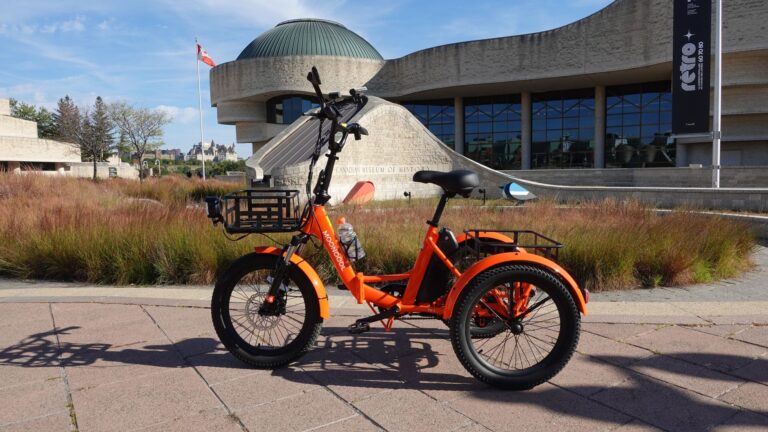
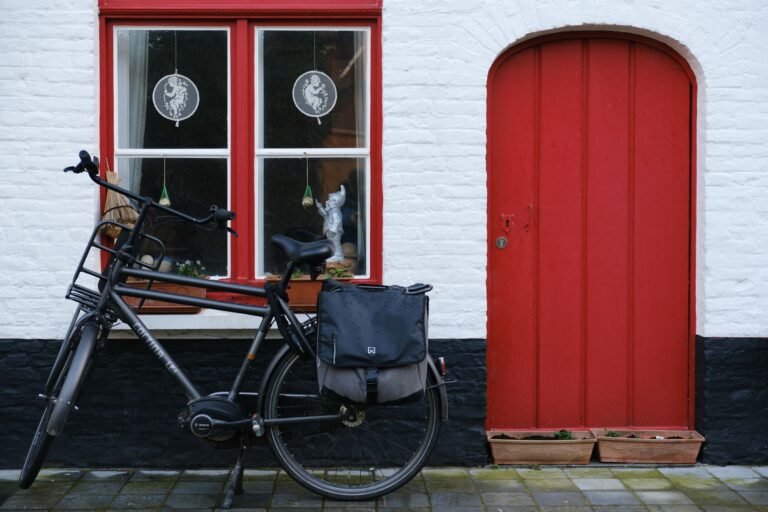
The best electric bikes for commuting are upright city models with smooth pedal assist, secure stopping, lights, fenders, and rack mounts. Folding designs suit riders who mix cycling with trains or stairs, while sturdy long-tail designs suit riders who carry children or heavy loads.
An electric commuter bike is a standard bicycle with a small motor that assists while you pedal. Fall brings darker mornings, wet pavement, and slick leaves, so balance, visibility, and tire grip matter. Pick a frame that fits your body and your storage space before you compare assist feel.
Table of Contents
- What fits your daily route?
- How do motors and controls feel?
- What keeps fall rides safe?
- How to carry loads and store the bike?
What fits your daily route?
Short city trips favor nimble frames with upright bars and responsive low-speed handling. You can stop, look, and start again in traffic with less strain. A low step-through frame helps when you wear work clothes or stop often.
Longer road stretches favor stable frames with a longer wheelbase and comfortable saddle. Your hands, neck, and back stay relaxed when the position spreads weight evenly. Test the reach to the bars with the shoes and bag you will use daily.
How do motors and controls feel?
Most commuter motors assist only while you pedal and pause when you stop pedaling. Pedal-sensor systems feel smooth and bike-like, while thumb controls give a push without pedaling. Choose pedal assist if you want exercise and natural control in crowds.
Controls should stay simple with gloves on. Look for clear buttons, a readable display, and assist levels you can change without looking down long. A walk mode can help push a heavy bike up a ramp or garage slope.
What keeps fall rides safe?
Wet leaves, rain, and early dark make traction and visibility central. Wider tires with tread hold better on paint, grates, and leaves. Disc brakes stay steady in rain and fenders keep water off clothes and rims.
Built-in front and rear lights keep you seen from the side and behind. Keep lights on in day rain and clean the lens often. Reflective bands on bag or ankle help drivers judge distance at dusk.
- Rinse fenders and wipe rims after wet rides to prevent buildup
- Check tire pressure weekly and set lights to steady in fog
- Store the battery indoors and carry a light lock for quick stops
How to carry loads and store the bike?
Commuting often means laptop, change of clothes, lock, and groceries. A rear rack with side bags keeps weight low and off your back. Frame mounts for lock holder, front basket, and bottle keep small items secure.
Storage shapes choice more than many riders expect. Folding frames fit closets, offices, and car trunks but carry lighter loads. Full-size frames ride more calmly with weight but need wall space or a secure bike room. Measure your door, elevator, and rack spot before you decide.