Cycling with children is safe when a child over age 1 rides in the right carrier with a fitted helmet on calm routes. The main choices are timing the first ride, picking a trailer or seat, and setting up hitches, harnesses and helmets correctly. A bike trailer is a low wheeled cabin that hitches behind the bike and carries one or two children. The details below explain age readiness, gear differences, setup checks and route choice for everyday cyclists.
Table of Contents
- When Can a Child Start Riding?
- Trailer or Seat: What Is Steadier?
- How Do You Secure the Trailer?
- How Should a Child's Helmet Fit?
- Where Should You Ride With Kids?
When Can a Child Start Riding?
According to MyHealth Alberta, infants under 12 months should not ride as bicycle passengers Alberta child cycling safety guidance. A passenger must be over age 1 and sit upright unsupported. The child must also hold the head up while wearing a helmet.
Wait for all three signs together, not just age. A sick, sleepy or newly helmeted child may still struggle. Plan a short test ride close to home first. Stop if the child slumps, cries from helmet pressure or cannot stay upright.
- over age 1
- sits upright unsupported for the ride length
- holds head up steady with helmet on
Trailer or Seat: What Is Steadier?
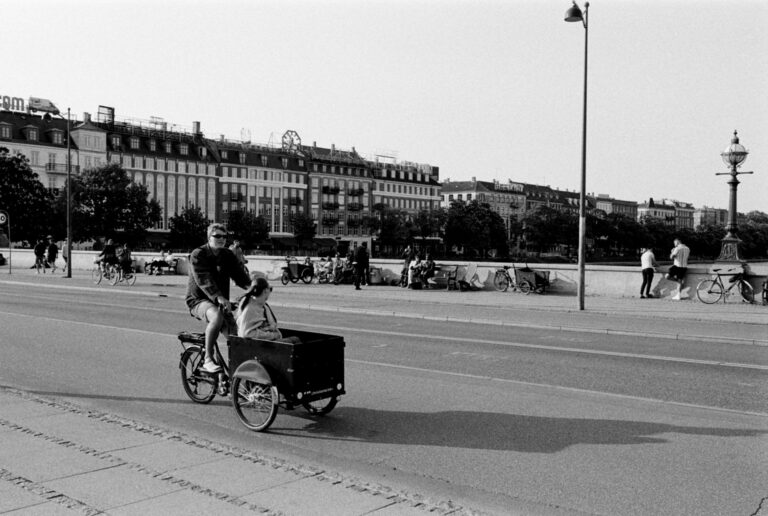
The American Academy of Pediatrics advises that a bicycle-towed trailer is preferable to a front- or rear-mounted seat AAP guidance on biking with babies. A passenger raises instability on a seat mounted to the bike. Children should never ride on handlebars or crossbars.
That higher weight makes starts, turns and stops harder to control. For most family rides, the trailer is the steadier default. Practice turning, braking and dismounting in an empty lot before adding a child.
How Do You Secure the Trailer?
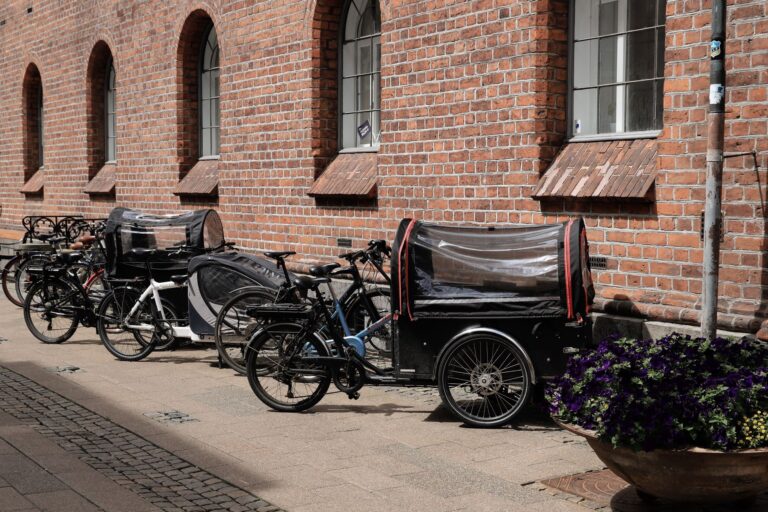
MyHealth Alberta lists four setup checks before every ride. Secure the trailer with a rotating hitch and use the roll cage for each child. Use a five-point or secure harness for each child and install removable sides. Ensure reflectors stay fitted on all sides.
Burley Design states children must wear a helmet on every ride, including inside a trailer in Bike Mode. Burley Design notes child trailer testing is voluntary, not legally required. Its cited ASTM F1975-15 checks harness strength, crushing, rollover and durability. The rating covers up to 100 lb combined for one or two children.
How Should a Child's Helmet Fit?
The U.S. Consumer Product Safety Commission requires helmets to carry a CPSC safety-standard label CPSC helmet standard announcement. The standard adds extra head coverage for children through age 5. It also requires chin-strap stability so helmets stay on in crashes.
The National Highway Traffic Safety Administration recommends a level, low fit NHTSA safe biking guide. Set the helmet one to two finger-widths above the eyebrow. Form side straps into a V under the ears with a snug buckled chin strap. Check fit before every ride, not just at purchase. Recheck the V and chin strap once the child is seated and harnessed.
Where Should You Ride With Kids?
The National Highway Traffic Safety Administration points families to parks, paths or quiet low-traffic streets. Those places reduce car contact and give room to practice stops. Avoid busy roads until handling with load feels routine.
Burley Design notes Alberta requires approved helmets for cyclists under 18, expressly including trailer and carrier passengers. Keep the rule simple at home: helmet on for every rider, every ride. Start with a flat park loop at off-peak hours. Add distance only when loading, harnessing and helmet checks feel routine.