Common bicycle theft prevention comes down to locking the frame to a fixed rack, choosing tested locks, recording your serial, and reporting theft fast. These steps cut opportunity, make resale harder, and improve recovery odds. This guide covers parking and lock choice, gear ratings, registration, and what to do after a theft. Each part focuses on a decision you can act on before or right after you park.
Table of Contents
- How should you lock your bike outside?
- What lock rating should you look for?
- How do you make your bike identifiable?
- What should you do if your bike is stolen?
- How big is the U.S. bike-theft problem?
How should you lock your bike outside?
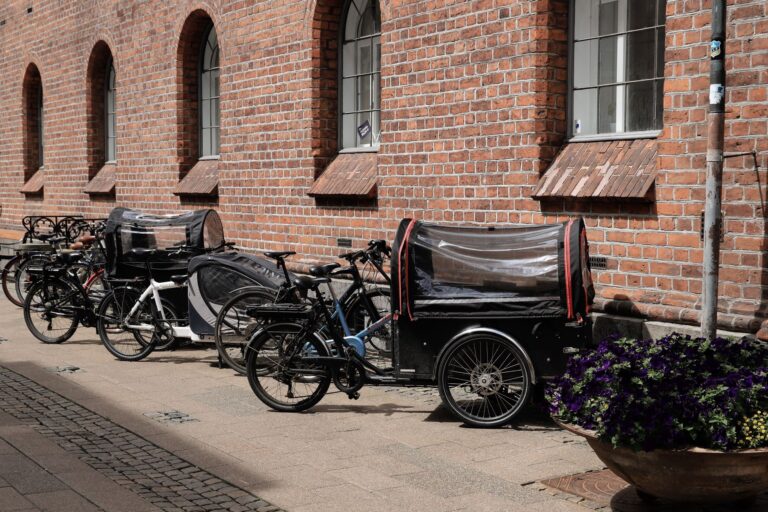
Always lock the frame, not only the wheel, to a fixed rack. The NYPD advises this because thieves will take the rest of the bike and leave a locked wheel behind, according to the NYPD bicycle theft prevention flyer. This risk affects all urban parked-bike owners.
Secure the frame plus at least the rear wheel to a solid object. Choose a bright, high-traffic spot. Streetsblog Chicago recommends using two different lock types, such as a U-lock plus cable, so thieves need two tools. No lock is unbeatable, but two locks increase effort and deterrence.
What lock rating should you look for?
Sold Secure Diamond is the highest independent bicycle-lock rating. Diamond-rated models add tested resistance to bolt cutters, pry bars, and about 1.5 minutes of angle-grinder attack, according to the LITELOK X1 product page. That resistance matters most for high-value bikes and e-bikes facing power-tool theft.
Use rating as a filter, then match size and mount to your parking. A short, tight fit leaves less room for pry tools. Carry the second lock when you leave the bike for hours.
How do you make your bike identifiable?
Record the serial number and photograph the bike from several angles. Register it free with Bike Index and keep the listing searchable. Outside/Velo describes how shops, police, and the public can then check serials and contact the owner if the bike surfaces.
Store photos, serial, receipt, and registry link where you can reach them fast. Update the listing if you change parts, color, or contact details. Clear records speed both police reports and insurance claims.
What should you do if your bike is stolen?
Act quickly through several channels. A University of California study found recovery depended on police involvement, registration, and multi-channel reporting, with about 17% recovery when victims used police, social media, and a registry versus about 10-12% through one channel. The San Francisco Police Department directs victims to take these steps, detailed in its prevent bike theft guidance:.
- register the bike with Bike Index if not already listed
- file a police report online or at a district station
- optionally list the theft online with photos and serial
- never attempt self-recovery; call police non-emergency at 1-415-553-0123 if contacted
- file a renter or homeowner insurance claim when covered
How big is the U.S. bike-theft problem?
Bike Index reports nearly 150,000 bicycles reported stolen in the U.S. in 2023, worth over $148 million and averaging about $834 per bike, in its 2025 theft-stats summary.
Bike Index separately cites 127,646 reports for that year. Only about 37% of victims report, so the same summary warns true theft may exceed 2.4 million bikes and $1.4 billion yearly. That gap is why locking well, registering early, and reporting broadly matter.