The most common mistakes when cycling with children are using the wrong carrier for the child's size, skipping fit and helmet checks, and riding as if solo. Each has a practical fix: match the equipment to the child, tighten the setup routine, and slow the ride down. A child carrier here means a front seat, rear seat, bike trailer, or tag-along that connects a child to an adult's bike. Small errors in choice, setup, or route planning create most wobbles, complaints, and close calls.
Table of Contents
- Matching the Carrier to Your Child
- Getting Bike, Seat, and Helmet Checks Right
- Changing How You Ride With a Passenger
- Planning Shorter Routes With Built-In Breaks
Matching the Carrier to Your Child
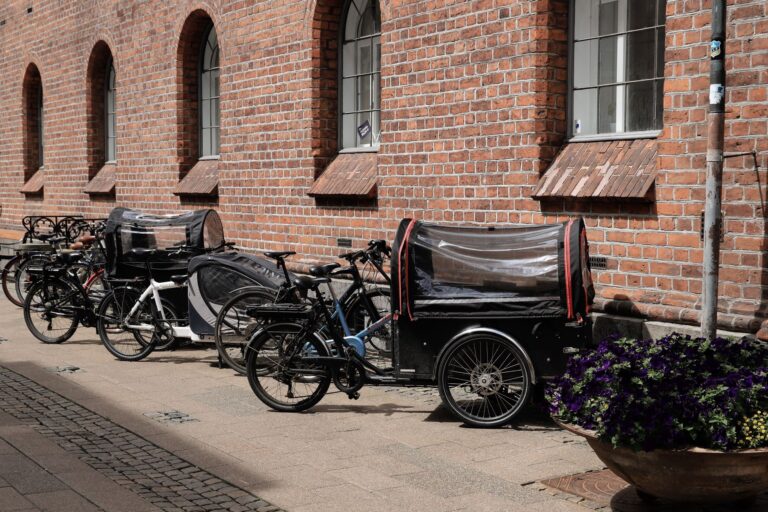
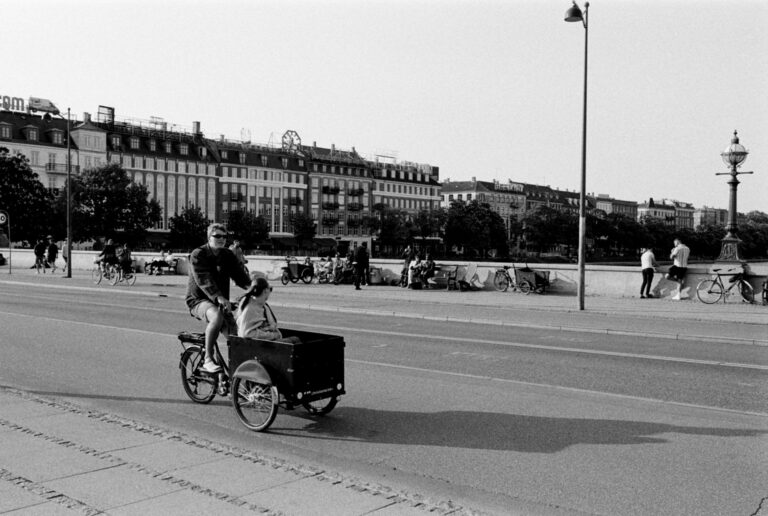
A front seat places a small rider between your arms and works best for short, slow trips. A rear seat sits over the back wheel and handles a larger child who sits up alone. A trailer tows low behind the bike, while a tag-along lets an older child pedal and balance with help.
The mistake is choosing by size alone or keeping a setup after the child outgrows it. A cramped seat causes leaning and complaints, while a tag-along used too early hurts steering and confidence. Check the maker's height, weight, and skill guidance, then watch how the child sits, holds on, and looks around.
- knees hit handlebars or feet reach near wheels
- child slumps, slides sideways, or cannot hold on
- trailer or tag-along hitch feels loose or pulls sideways
Getting Bike, Seat, and Helmet Checks Right
Extra weight changes balance, steering, and stopping distance. Many parents leave tire pressure, saddle height, and seat straps set for solo rides. Pump tires to the pressure range printed on the tire sidewall, and test brakes in a quiet parking lot first.
Helmets only help when they sit level and stay snug. A common error is a helmet tipped back, loose straps, or thick hats underneath. Set the front edge just above the eyebrows. Join side straps in a V under each ear, with one or two fingers fitting under the chin strap.
- child strapped snug, with no twists in harness
- feet secured away from spokes, trailer door closed
- brakes grip, hitch pin locked, load balanced
Changing How You Ride With a Passenger
A bike with a child starts slower, turns wider, and stops longer. Riders who rush lights, squeeze past cars, or stand to climb soon feel the wobble. Stay seated on hills, brake early, and take corners wider and slower than usual.
Traffic choice matters more than speed. Busy roads, narrow shoulders, and fast descents raise risk and stress for a young passenger. Pick low-traffic streets, paths, or protected lanes, ride single file where cars pass, and call out bumps and stops before they happen.
Planning Shorter Routes With Built-In Breaks
Children tire, get cold, and lose focus faster than adults expect. Long loops with no exits lead to tears and rushed returns. Start with a short ride and return by the same path.
Add one playground or snack stop, and turn home while energy still feels high. Bring water, a warm layer, and a simple backup plan such as a train stop or pickup point. Check wind and shade, since small passengers cool fast in a trailer. If fussing starts, stop early, fix the strap or snack need, and roll home calm.