For family cycling, the must-haves are fitted helmets, lights, a lock, safe child seating, and water, snacks, and storage. Add a repair kit, weather layers, a bell, and first aid, and skip race gear, duplicate tools, and extra electronics. Family cycling means adults and children riding together at a shared pace. The right gear reduces stops, prevents small problems from ending rides, and keeps attention on traffic and each other.
Table of Contents
- What keeps every rider safe?
- How do younger children ride with you?
- What fixes a flat without ending the ride?
- What keeps rides comfortable in changing weather?
- What can most families skip?
What keeps every rider safe?
A properly fitted helmet is the starting point for each rider. It should sit level, touch the head evenly, and stay put when straps are snug. Replace any helmet after a hard crash or when parts no longer adjust well.
Front and rear lights help drivers and other riders see you. Use steady white in front and red in back during low light, rain, and shaded paths. A bell warns walkers and slower riders before you pass.
- check level fit with two fingers of forehead showing
- shape side straps into a V below each ear
- tighten until one finger fits under the chin strap
How do younger children ride with you?
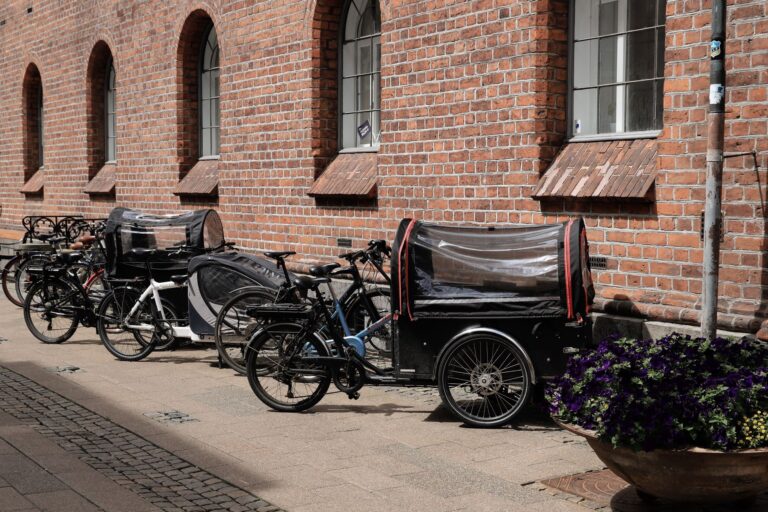
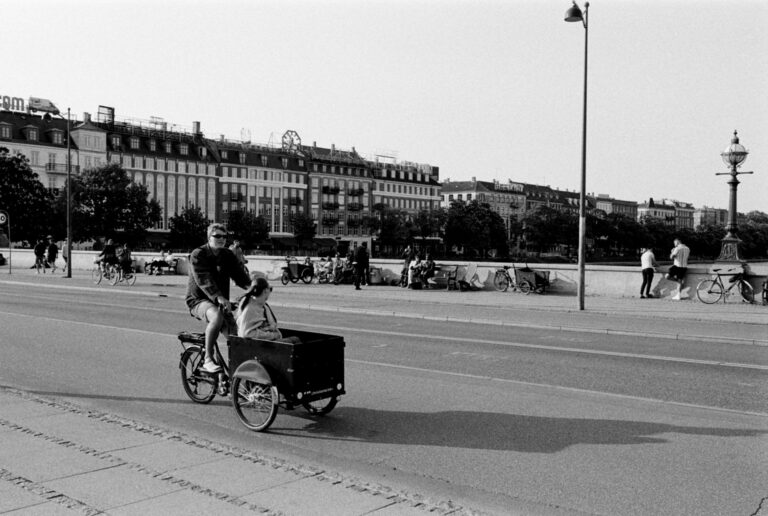
Small children usually ride in a rear-mounted seat, a front seat, or a towed trailer. Rear seats suit many family bikes and leave the handlebar free. Trailers carry one or two children lower to the ground and shield them from wind.
A trailer bike or tag-along bar lets a pedaling child join while an adult steers. Independent riders do best on a light bike they can start, stop, and turn without help. Match the seat, trailer, or bike to the frame, brakes, and posted weight and height limits.
What fixes a flat without ending the ride?
Carry a spare tube, tire levers, a compact pump, and a multi-tool with common bolt sizes. A patch kit backs up the spare tube on longer outings. Keep them in one small bag so any adult can find them fast.
Learn tube replacement at home before you need it roadside. Check tire pressure before each ride and look for cuts, glass, or worn tread. A charged phone, route plan, and lock also help if a repair fails.
What keeps rides comfortable in changing weather?
Pack a light rain shell, a warm mid-layer, gloves, and sun protection for the season. Children cool faster during stops, so bring one extra layer for them. Choose layers that fold small and fit in a basket, rack bag, or backpack.
Carry water and simple snacks within easy reach. A rack, panniers, or handlebar basket keeps weight off backs and shoulders. Add tissues, wipes, a small first-aid pouch, and sunscreen where needed.
What can most families skip?
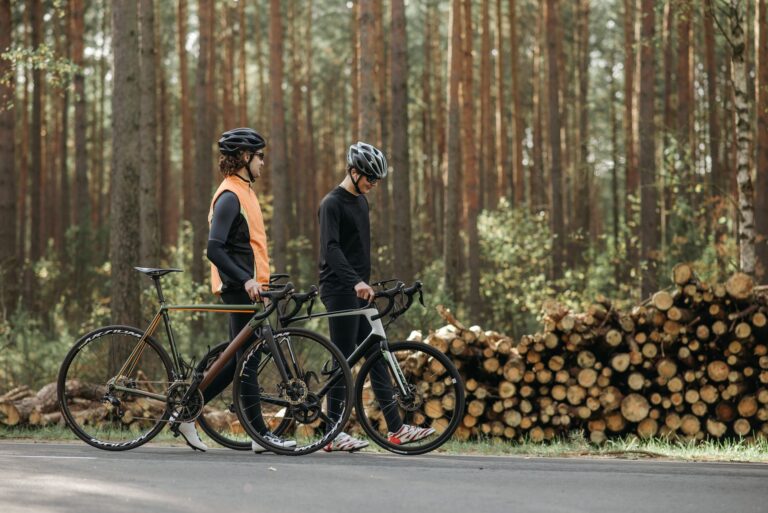
Skip race clothing, clip-in shoes, power meters, aerodynamic wheels, and suspension upgrades. These add cost and upkeep without making short, social rides safer. Heavy saddlebags, duplicate pumps, full workshop tools, and speakers also weigh down family bikes.
Wait on action cameras, intercoms, and cycling computers until a real need appears. Ride the local route first and note what you missed. Save that money for fresh tires, brake pads, or a fit check as children grow.