A theft-ready checklist has four parts: a strong lock setup, proof of ownership, free registry entry, and a parking plan. Prepare all four before you ride, not after a theft. Thieves target quick, easy bikes. A locked frame, matched lock strength, and traceable record slow them down and help recovery.
Table of Contents
- Lock the frame to something solid
- How strong should your lock be?
- What proves the bike is yours?
- Where should you park?
- Why do official theft counts look low?
Lock the frame to something solid
Always lock the bicycle frame — not just a wheel — to a solid fixed rack. A wheel-only lock lets thieves leave the wheel and take the rest. According to the University of Wisconsin–Madison Police Dept., as detailed in the UW–Madison bike-theft prevention guide, avoid trees, fences, other bikes and lift-off parking meters.
Use a quality U-style lock as your primary lock. UW Police guidance recommends adding a second lock or cable through removable front and rear wheels. Fill empty space inside the U to block pry tools.
- Lock frame to fixed rack
- Secure removable wheels with second lock or cable
- Remove empty space inside U-lock
- Avoid trees, fences, other bikes, lift-off meters
How strong should your lock be?
Sold Secure rates pedal-cycle locks Bronze, Silver, Gold, then Diamond as highest. Diamond means tested resistance to common tools. According to Sold Secure, as listed in the Sold Secure pedal-cycle ratings guide, Diamond-tested locks must withstand about 5 minutes of attack including about 1.5 minutes against an angle grinder.
Match lock strength to bike value. UK insurer guidance cited by Cycling Weekly requires Bronze up to £250, Silver for £251–£1,500, and Gold or Diamond above £1,500. Buying the best affordable lock has insurance implications.
What proves the bike is yours?
Before riding, photograph the bike from several angles. Record the frame serial number and keep the purchase receipt. Edmonton Police Service and Bike Index guidance says this proof lets police and registries identify and return recovered bikes.
Register for free on Bike Index with brand, model, serial number, photos and component details. Flag the entry stolen if the bike is taken. According to reporting in Streetsblog California, described in the Streetsblog California explainer on Bike Index, the entry creates a searchable ownership record for police, shops and buyers.
Where should you park?
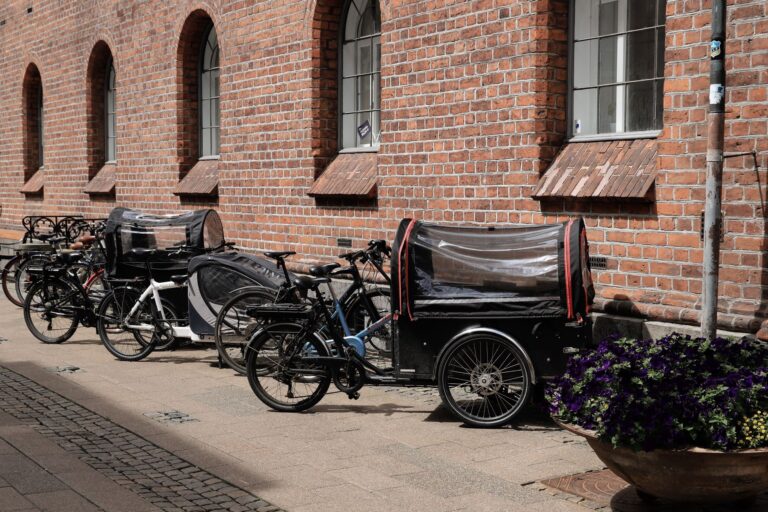
Lock only in well-lit, high-traffic locations. Vary your rack rather than using the same rack daily. Never leave a bike unlocked even briefly.
NYPD adds another option through its precinct Bicycle Registration Program. The program engraves a serial and applies a theft-deterrent decal. Ask your precinct about hours and ID needs before you go.
Why do official theft counts look low?
FBI data recorded about 127,646–150,000 reported U.S. bicycle thefts in 2023 worth over $148M. Project 529 notes studies estimate true thefts exceed 2 million yearly.
Most thefts go unreported, and about 37% fewer agencies now report to the FBI. That gap affects all cyclists. Do the paperwork before you need it, because recovery depends on records you made early.