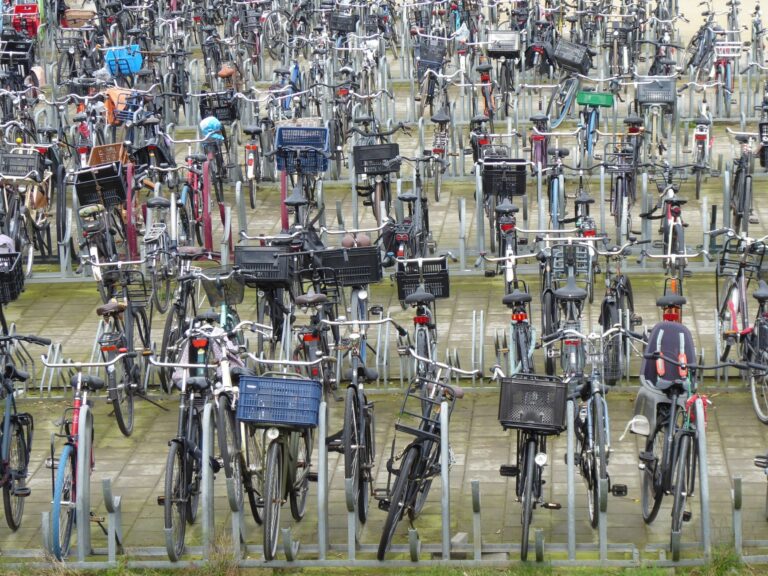
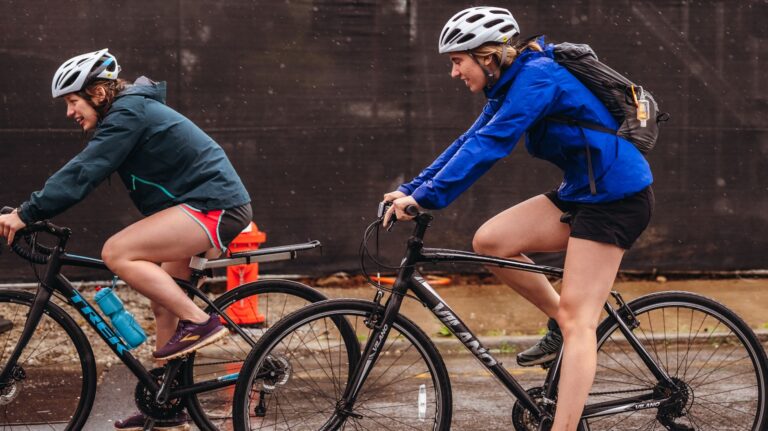
Preventing bicycle theft means planning secure parking, using strong locks correctly, and keeping ownership proof ready. For daily cycling, logistics matter as much as gear: where you leave the bike, how you lock it, and how fast you can report it. A U-lock, a rigid U-shaped shackle that resists cutting, is the core tool. University and city guidance centers on locking frame and wheels to fixed racks, choosing tested locks, and registering serial numbers before theft happens.
Table of Contents
- Lock frame, wheels, and rack every time
- Choose a lock rating that matches your risk
- Save your serial number and register before theft
- Plan for overnight and garage risk
- What trackers can and cannot do
Lock frame, wheels, and rack every time
Secure both the frame and wheels to a sturdy fixed rack or post with a quality U-style lock. The UW–Madison Police Department also advises using a locked indoor locker when one is available.
The City of Boulder states that U-locks are the most secure type because bolt cutters easily cut cable locks, in City of Boulder theft-prevention tips. It recommends one U-lock for the frame plus front wheel and a second lock for the rear wheel.
- Put the U-lock through the rear triangle, rear wheel, and rack.
- Add a second lock through the front wheel and frame.
- Choose a fixed steel rack or post that cannot be lifted or unscrewed.
Choose a lock rating that matches your risk
Independent testing helps compare locks without guessing about strength. Cycling Weekly explains that Sold Secure grades bicycle locks as Bronze against basic tools, Silver against enhanced tools, Gold against dedicated tools, and Diamond as the highest bicycle tier.
Dutch ART rates locks from one to five stars. Match the rating to parking time and bike value, with higher ratings for overnight parking, busy campuses, and e-bikes.
Save your serial number and register before theft
Police advise recording the serial number stamped under the bottom bracket. NYPD and San Francisco Police advise registering the bike with NYPD or Bike Index, since recovered bikes usually require that number to reclaim.
Free registration already works at scale. According to CleanTechnica reporting on Bike Index, more than 1.2 million bikes were logged and over 14,000 stolen bikes worth over 25 million dollars were recovered, in CleanTechnica reporting on Bike Index recoveries. Keep photos, serial, and registry record where you can send them quickly.
Plan for overnight and garage risk
A North American survey of 1,823 theft victims found 28 percent stolen from sheds or garages and 18 percent from outdoor racks. It found 41 percent stolen overnight, with only 15 percent recovered.
The same study linked better recovery to police involvement, registration, and multi-channel reporting. So treat garages and overnight parking as higher risk, lock inside them, and report promptly through police and registry channels.
What trackers can and cannot do
Bluetooth trackers like Apple AirTag depend on nearby iPhones to relay location. A Bikefinder guide notes they also trigger Moving With You anti-stalking alerts that let a thief find and remove them.
Tracker location alone may not give police probable cause to search. According to CleanTechnica, victims should not confront thieves and should give police tracker data plus serial, photos, and registry record, in CleanTechnica reporting on tracker limits.