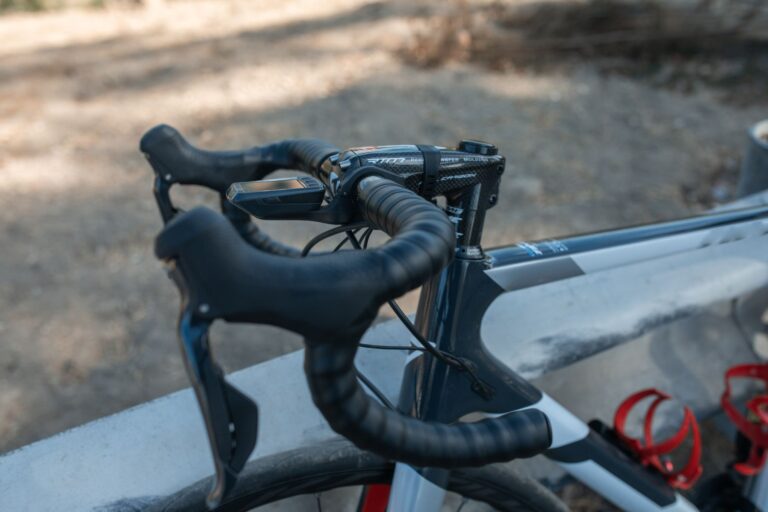
A throttle e-bike ban restricts where you can ride throttle-equipped electric bicycles—bikes with a motor-powered handlebar throttle that operates without pedaling. Regulations governing throttle e-bikes vary by jurisdiction, and many areas classify them as motorized vehicles, restricting them from bike paths, trails, and urban bike lanes where traditional bicycles are allowed. Before purchasing or riding a throttle e-bike, you must verify whether it is legal in your area and where you plan to ride. This article explains why throttle e-bikes face restrictions, how to properly set up and operate one, and what maintenance the throttle system requires to keep it functioning safely.
Table of Contents
- Why Throttle E-Bikes Are Regulated Differently
- Where You'll Find Throttle E-Bike Restrictions
- Setting Up Your Throttle E-Bike
- Using a Throttle E-Bike Safely
- Maintaining the Throttle System
- Checking Local Regulations Before You Ride
- Frequently Asked Questions
Why Throttle E-Bikes Are Regulated Differently
Throttle e-bikes are more regulated than pedal-assist models (which only assist while you pedal) because the throttle allows the motor to operate independently—making the bike behave more like a motorized scooter than a traditional bicycle. The distinction matters to land managers and city planners who designate paths specifically for non-motorized travel or human-powered transport.
Regulatory thresholds typically center on motor power and top speed. Jurisdictions often set limits around 250 watts and 20–25 miles per hour as the boundary between "bicycle" and "motorized vehicle." Throttle e-bikes that exceed these thresholds, or that provide throttle-only acceleration without a pedal-assist option, are more likely to be classified as motor vehicles—potentially requiring registration, insurance, or licensing in some places.
Where You'll Find Throttle E-Bike Restrictions
throttle e-bikes are most commonly prohibited or restricted on: Regular streets and roads often permit throttle e-bikes if they comply with local power and speed standards, though this varies by city. The safest approach is to contact your city's transportation or public works department and the managing agency of any trail before riding. Rules that apply on one road or trail often do not apply 5 miles away.
- Multi-use trails and wilderness areas (national forests, state parks, local trail systems)
- Dedicated bike paths and lanes in some cities
- Private trails and properties where owners ban motorized bikes
- Certain urban areas that classify them as motor vehicles
Setting Up Your Throttle E-Bike
Most throttle e-bikes arrive ready to ride, but a few checks ensure proper and safe operation: Throttle e-bikes are heavier than standard bikes (usually 60–70 pounds) and handle differently, so spend time getting familiar with acceleration and braking before taking on hills or traffic.
- Inspect the throttle grip for cracks, loose wires, or sticking—it should twist smoothly and return to the resting position without effort
- Check that the motor and battery connections are secure and free of corrosion
- Verify the brake levers engage reliably without delay; the brakes should respond immediately when squeezed
- Test the throttle's power delivery by giving it a gentle twist and confirming smooth acceleration rather than jerky starts
- Charge the battery fully and record the estimated range in miles per charge from your owner's manual
Using a Throttle E-Bike Safely
Throttle e-bikes accelerate faster than pedal-assist models, which changes how you need to ride: The throttle makes it tempting to rely solely on the motor, but mixed throttle-and-pedal riding extends your range significantly and keeps you physically engaged.
- Use gentle, gradual throttle inputs until you are comfortable with how quickly your model accelerates
- Release the throttle fully and well before braking, especially on downhill sections, to maintain traction
- Combine throttle with pedaling to extend battery range and maintain better bike control
- Wear a properly fitted helmet at all times; the added weight and speed increase injury severity in crashes
- Give yourself extra stopping distance and a wider turn radius compared to traditional bikes
Maintaining the Throttle System
The throttle is a wear point that requires regular attention: Keep the battery well-maintained as well: store it in a cool, dry place between rides, charge it after every use to avoid deep discharge, and plan to replace it after 2–3 years or when you notice a significant drop in range.
- Clean the throttle grip and cable housing every few months, especially after wet rides, to prevent moisture and dirt from damaging contacts
- Lubricate a mechanical throttle cable lightly with dry lubricant (not wet lubricant) to keep it smooth
- Inspect the throttle housing for cracks, loose connectors, or fraying wires; replace it if damage is visible
- Check the motor's power connections and wiring for corrosion, which is especially important in wet climates
- Have the brake sensor tested if your bike has one (a safety feature that cuts throttle power when brakes engage)
Checking Local Regulations Before You Ride
Regulations vary widely and can change, so verify the rules for your specific location: Enforcement varies. Some areas issue warnings, while others impose fines or bike impound. Repeated violations can result in escalating penalties.
- Contact your city's transportation or public works department and ask whether throttle e-bikes are permitted on city streets
- Call the managing agency of any trail you plan to use—the national forest, state park, local trails commission, or town parks department—and ask their throttle policy
- Look for trail rules on official websites; many post "no motorized vehicles" or "e-bike restrictions" directly
- Visit a local bike shop; staff there typically know current regulations and where enforcement is common
- Take a screenshot or save the specific regulation if you plan to ride in any area where throttle e-bikes face restrictions
Frequently Asked Questions
What is the difference between a throttle e-bike and a pedal-assist e-bike?
Throttle e-bikes have a power control that accelerates the motor at any speed without pedaling. Pedal-assist e-bikes only provide motor power while you are actively pedaling. Throttle systems are regulated more strictly because they are often classified as motorized vehicles.
Can I ride a throttle e-bike on city streets?
It depends on your city's regulations. Many cities permit throttle e-bikes on streets if they meet power and speed limits (commonly 250 watts and 20–25 mph). Bike paths and trails have different rules, usually stricter. Check with your city's transportation department for specific streets.
How often should I maintain the throttle?
Inspect and clean the throttle grip every few months to prevent moisture damage. If the throttle sticks, hesitates, or feels jerky, have it serviced by a qualified mechanic before riding. Annual inspections of the brake sensor and motor connections are also recommended.
Will a throttle e-bike drain faster than a pedal-assist model?
Yes, throttle-only riding drains the battery significantly faster because the motor runs at full power without your pedaling assist. You will extend the range substantially by combining throttle and pedal power.
What happens if I get caught riding in a restricted area?
Penalties depend on the jurisdiction and can range from a warning to a fine or even bike impound. Repeat violations may result in escalating fines. It is worth confirming regulations in advance to avoid this.