A clicking noise that appears only when you stand to pedal usually comes from a part moving under higher load, often the pedals, crank, bottom bracket, chain, or rear wheel. Standing increases your body weight and pedaling force, so it can reveal looseness or flex that stays quiet while seated. The sound's location and rhythm matter more than the fact that you stand. Stop riding if the crank, pedal, wheel, handlebar, or frame feels loose, shifts sideways, or shows cracking.
Table of Contents
- Find the Sound Before Tightening Anything
- Check the Pedals, Cranks, and Bottom Bracket
- Inspect the Chain, Chainrings, and Rear Wheel
- Check the Saddle, Seatpost, and Cockpit
- Know When to Stop Riding
Find the Sound Before Tightening Anything
First, identify whether the click follows each pedal stroke, occurs once per wheel revolution, or appears when the bicycle flexes. Ask someone to listen while you ride slowly, or use a repair stand for a cautious inspection.
A click that occurs only when you push hard on one side often points to the drivetrain or that side's pedal and crank. A click that continues while coasting points away from the chain and toward the wheels, frame, or contact points.
- Pedal-stroke click: inspect pedals, cranks, chainrings, and the bottom bracket.
- Wheel-speed click: inspect the rear wheel, cassette, spokes, and freehub.
- Body-movement click: inspect the saddle, seatpost, handlebar, and stem.
- Random click under force: check for loose accessories, bottle cages, or frame contact.
Check the Pedals, Cranks, and Bottom Bracket
Remove and reinstall each pedal if you know the correct left- and right-hand threads. Confirm that the pedal body spins smoothly and that the crank has no side-to-side movement. Do not keep riding if a crank arm moves independently of the spindle.
inspect the crank bolts or fixing system according to the bicycle manufacturer's instructions. Different crank designs use different hardware and tightening methods, so guessing can damage the crank or leave it unsafe. The bottom bracket, the bearing assembly supporting the crank spindle, can click when its bearings wear or its cups loosen. It may also feel rough when you turn the cranks by hand, but a quiet hand inspection does not rule it out under riding load.
Inspect the Chain, Chainrings, and Rear Wheel
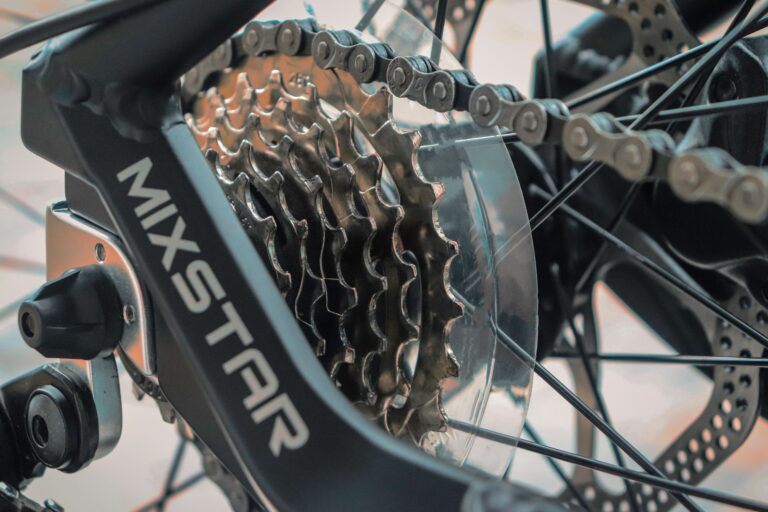
A stiff chain link, damaged chainring tooth, loose chainring bolt, or poorly adjusted derailleur can produce a repeating click during hard pedaling. Shift through the gears while seated, then compare the sound in the same gear while standing. Check that the cassette is secure and that the rear wheel sits fully in the frame.
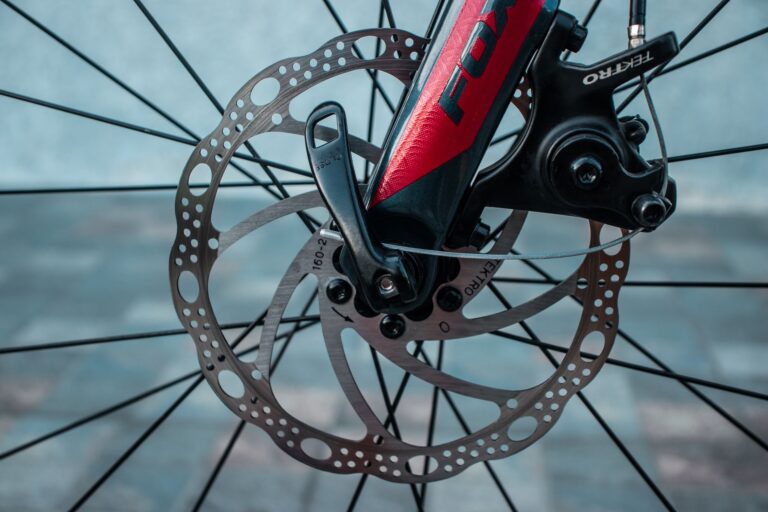
Look for loose spokes, damaged rim areas, or movement at the hub. A clicking freehub is normal while coasting on many bicycles, but a new grinding sound, roughness, or play needs inspection. Clean dirt from the drivetrain before diagnosing subtle sounds. Avoid spraying lubricant onto brake rotors, braking surfaces, or sealed bearings; contamination can reduce braking performance.
Check the Saddle, Seatpost, and Cockpit
Standing can make the saddle and seatpost creak even when the drivetrain is fine. Tighten the saddle clamp and seatpost only to the marked limit or the manufacturer's specified torque. Carbon parts require particular care because overtightening can cause damage.
Also check the stem, handlebar, bottle cages, rack mounts, and computer brackets. When you stand, you pull on the bars and shift the frame, which can make a loose contact point sound like a drivetrain fault. If the noise disappears when you pedal hard with your hands relaxed on the bars, the cockpit or saddle area becomes more likely. If it remains tied to crank rotation, return your attention to the pedals, cranks, chainrings, and bottom bracket.
Know When to Stop Riding
Arrange a professional inspection before riding further if you find a crack, loose crank, damaged pedal thread, wheel movement, loose headset, broken spoke, or sudden change in handling. These faults can worsen under the same force that creates the click. If every external check passes but the noise persists, the safest next step is a bicycle shop inspection.
A mechanic can test the bicycle under load and isolate components that appear tight when the bicycle is stationary. Do not assume a quiet ride proves the problem is fixed. A click caused by a loose fastener may vanish temporarily as parts shift, then return during a harder effort or climb.