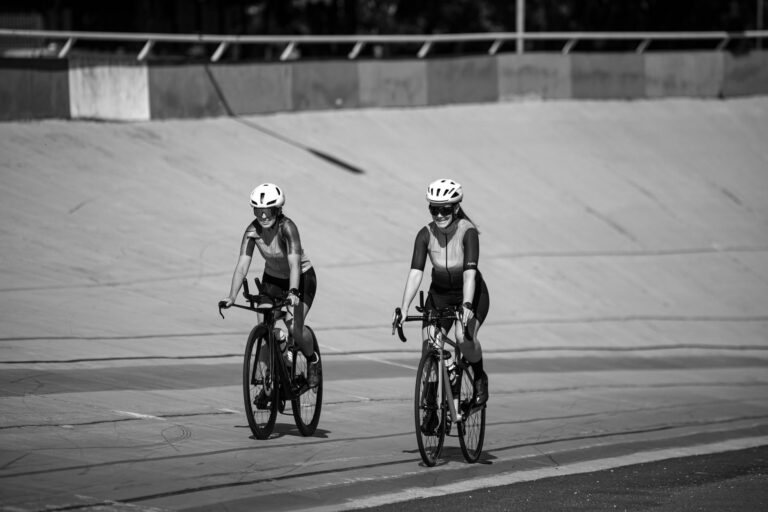
The best track bike is the one that fits correctly, suits your event, and meets your velodrome's rules. Compare geometry, frame stiffness, gearing, wheels, components, and serviceability before comparing weight or brand prestige. A track bike is a fixed-gear bicycle built for banked velodromes, normally without brakes or a freewheel. Training, sprinting, and endurance racing place different demands on the same simple-looking machine.
Table of Contents
- Start with fit and event type
- Frame material, stiffness, and handling
- Gearing and drivetrain compatibility
- Wheels, tires, and race-day choices
- Choose a complete bike or build one?
Start with fit and event type
Fit determines whether a bike feels stable at speed and allows an efficient riding position. Frame size labels vary by manufacturer, so compare stack, reach, seat-tube angle, and available adjustment instead of relying on a stated size alone. Endurance riders usually benefit from a position they can sustain through longer efforts.
Sprinters may prefer sharper handling and a position that supports forceful starts, accelerations, and out-of-saddle riding. Extreme handlebar drop is not useful if it restricts breathing, control, or power. Before buying, confirm: A qualified track coach or experienced bike fitter can help translate road-bike measurements, but road and track positions are not automatically interchangeable.
- The frame accommodates your saddle height and setback.
- The cockpit can reach a manageable height and length.
- Your shoes and cranks clear the front wheel during tight turns.
- The bike remains within the fit and equipment rules for your intended races.
Frame material, stiffness, and handling
Aluminum track frames are often practical for training because they can be relatively affordable, stiff, and straightforward to maintain. Carbon frames allow more freedom in tube shaping and aerodynamics, but damage assessment and replacement may be more complicated. More stiffness is not always better. A powerful sprinter may value minimal flex during hard starts, while a developing rider may gain more from predictable handling and a position that can be adjusted over time. Frame weight matters less on a smooth, flat track than fit, aerodynamics, and the ability to accelerate the chosen gear.
Geometry also changes how the bike behaves. Shorter wheelbases and steeper angles can produce quicker steering, while more conservative designs may feel calmer during training sessions and bunch riding. Compare complete geometry charts because two frames with similar nominal sizes can handle differently. inspect used frames for dents, cracks, misaligned dropouts, damaged threads, and signs of a crash. Carbon damage may not be obvious from the surface, so uncertain areas warrant assessment by a competent repair specialist.
Gearing and drivetrain compatibility
A track drivetrain uses one chainring, one rear sprocket, and a fixed hub. The pedals therefore turn whenever the rear wheel turns. gear choice affects acceleration, cadence, and fatigue more directly than it does on a multi-speed road bike. A larger chainring or smaller rear sprocket creates a harder gear.
That can increase distance traveled per pedal revolution, but it also makes starts and rapid accelerations more demanding. New track riders should use the gear required or recommended by their velodrome or coach rather than copying an elite racer's setup. Compatibility deserves close attention: A securely tightened lockring helps prevent the sprocket from loosening when a rider resists the pedals. Chain tension should allow smooth movement without sagging excessively or binding at the drivetrain's tightest point.
- Confirm chainring bolt-circle diameter and crank compatibility.
- Check whether the drivetrain uses a consistent chain width.
- Match the rear sprocket and lockring threads to the hub.
- Verify crank length against local rules and banking-clearance needs.
- Make sure the rear dropouts provide enough room to tension the chain.
Wheels, tires, and race-day choices
Durable spoked wheels are usually the sensible choice for routine training. They are easier to inspect and repair than specialized aerodynamic wheels, and they reduce the financial consequences of a minor crash or transport damage. Deeper rims, multi-spoke wheels, and disc wheels can reduce aerodynamic drag in suitable events. Their value depends on race format, speed, rider skill, venue rules, and budget.
A fast wheel cannot correct poor fit, unreliable tires, or inadequate control in traffic. Ask the velodrome which tires, pressures, and wheel types it permits. Indoor wooden tracks and outdoor concrete tracks may call for different choices, while some sessions impose stricter equipment limits than open racing. Inspect tires for cuts, embedded debris, aging, and contamination before entering the track. Tighten axle nuts correctly, confirm that the wheels sit straight in the frame, and never apply oil or polish near the tread or riding surface.
Choose a complete bike or build one?
A complete track bike offers a simpler starting point and reduces compatibility decisions. It often suits new riders who need reliable equipment for coached sessions rather than a highly specialized race setup. A custom build makes sense when the rider already understands fit, gearing, crank length, handlebar shape, and event demands. It also allows durable training wheels to be paired with separate race wheels.
However, individually purchased parts can raise the total cost and create compatibility problems. Prioritize spending in this order: correct frame fit, dependable drivetrain parts, suitable wheels and tires, then aerodynamic upgrades. Leave room in the budget for alternative sprockets, chainrings, tools, pedals, and transport protection. Some velodromes provide rental bikes, which offer a low-risk way to establish frame size and preferred gearing. Confirm local equipment and racing rules before ordering, because a technically compatible component may still be prohibited at a particular venue or event.