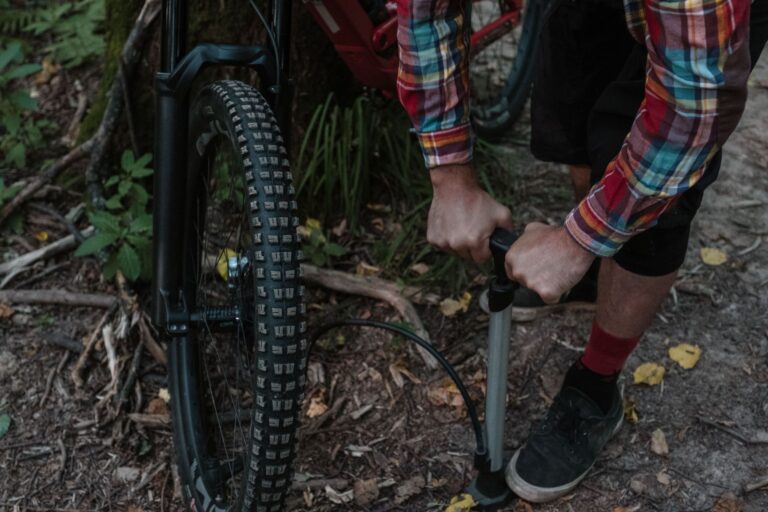
The best post-rain chain kit combines absorbent rags, a soft brush, low-pressure water, and a bicycle-safe degreaser for stubborn grime. Cyclists should compare cleaning strength, material compatibility, drying effort, and whether the cleaner suits an oil- or wax-lubricated chain. A wet chain needs prompt drying and fresh lubricant more often than aggressive degreasing. Removing every trace of lubricant after each damp ride wastes time and can leave the chain unprotected.
Table of Contents
- What should you do immediately after a wet ride?
- Which tools earn a place in the cleaning kit?
- How should cyclists compare chain cleaners?
- Match the cleaning method to the lubricant
- When does cleaning stop being enough?
What should you do immediately after a wet ride?
Deal with the chain before dirty water dries into an abrasive paste. If the ride involved only clean rain, turning the cranks through a dry rag may remove most moisture and surface dirt. Mud, road grit, or winter salt calls for a more complete wash.
Use low-pressure water and a soft brush around the chain, cassette, chainrings, and derailleur pulleys. Keep degreaser and lubricant away from disc-brake rotors and pads. Even a small amount of oily overspray can reduce braking performance and may require pad replacement.
- Rinse loose contamination without directing a strong jet into bearings.
- Hold a rag around the lower chain run and backpedal.
- Brush away packed dirt from sprockets and pulley wheels.
- Apply cleaner only where oily grime remains.
- Rinse as directed, then dry the drivetrain thoroughly.
Which tools earn a place in the cleaning kit?
Rags are the essential tool because they remove water, old lubricant, and loosened dirt. Cotton shop rags absorb well, while microfiber cloths lift fine grime but should remain dedicated to drivetrain work. A soft or medium-stiff nylon brush reaches cassette gaps and derailleur pulleys without scratching finishes. An old toothbrush works for small areas, although a purpose-made drivetrain brush offers a longer handle and better clearance.
A clamp-on chain-cleaning device runs the chain through brushes and cleaning fluid. It can help with deeply embedded oily dirt, but it uses more cleaner and creates more cleanup than a rag-and-brush wash. Master-link pliers make chain removal easier when a full off-bike cleaning is justified. Before separating the chain, check whether its connecting link is reusable; requirements differ among chain manufacturers and models.
How should cyclists compare chain cleaners?
A degreaser is a cleaner formulated to dissolve oil and greasy contamination. Choose one labeled for bicycle drivetrains, then check its instructions for dilution, contact time, rinsing, and compatibility with painted, anodized, carbon, rubber, or plastic parts. Cleaner strength should match the contamination.
Water and a small amount of mild soap can handle ordinary road spray, while a drivetrain degreaser suits black, sticky deposits that a rag cannot lift. Do not leave strong cleaner on the chain longer than directed. It can strip lubricant from inside the rollers, making complete drying and relubrication especially important.
- Ready-to-use sprays offer control for spot cleaning but can reach brakes if applied carelessly.
- Concentrates reduce packaging and allow dilution, but incorrect mixing can make them ineffective or unnecessarily harsh.
- Foaming cleaners stay visible and cling to parts, though they still require careful rinsing.
- Solvent-based products cut heavy grease quickly but demand ventilation, safe storage, and close attention to material compatibility.
Match the cleaning method to the lubricant
Oil-based wet lubricants resist water well but usually collect more road dirt. After a wet ride, wipe away contamination, let the chain dry, apply lubricant to each roller, and remove excess oil from the outer plates. Dry lubricants generally run cleaner in dusty conditions but may wash away sooner during sustained rain. A rider using one after an unexpected wet ride should inspect for noise or visible dryness and reapply it according to the product's curing instructions.
Waxed drivetrains need a different approach. Avoid adding conventional oil unless you intend to abandon the wax system, because oil contaminates the wax coating and complicates later rewaxing. For a hot-waxed chain, wipe and dry it promptly after rain. Rewaxing becomes sensible when the chain sounds dry, shows contamination inside the rollers, or has endured prolonged wet and gritty conditions.
When does cleaning stop being enough?
Orange staining, stiff links, grinding noises, or persistent roughness indicate that moisture or grit may have reached working surfaces. Flex a stiff link sideways by hand, then clean and lubricate it; replace the chain if it remains seized or damaged. Use a compatible chain-wear gauge periodically.
A worn chain can accelerate wear on the cassette and chainrings, and cleaning cannot restore metal already lost from the chain's bearing surfaces. After applying oil lubricant, allow time for it to penetrate if the instructions require it. Then backpedal through a clean rag until the chain's outer surfaces feel almost dry, leaving lubricant primarily inside the rollers.