Before you buy your first bicycle, match the bike to your usual roads or trails, then prioritize fit over brand, weight, or appearance. A beginner cyclist rarely needs the most expensive model, but does need a bike that feels stable, comfortable, and easy to control. Set aside part of your budget for a helmet, lights, a lock, basic repairs, and any fit adjustments. A test ride can reveal more than a long specification sheet.
Table of Contents
- Choose a bike for your actual riding
- Fit matters more than the size label
- Set a complete first-bike budget
- Inspect and test before committing
- Arrange the first adjustments
Choose a bike for your actual riding
Start with the surface and distance you expect to ride most often. A bike designed for that use will handle better and require fewer immediate changes.
Avoid buying for an imagined future that may never arrive. A trail-ready mountain bike can feel slow on daily pavement, while a race-oriented road bike may feel demanding during relaxed neighborhood rides.
- Hybrid: upright and versatile for paths, errands, and casual road riding
- Road bike: efficient on pavement, with a lower riding position and narrower tires
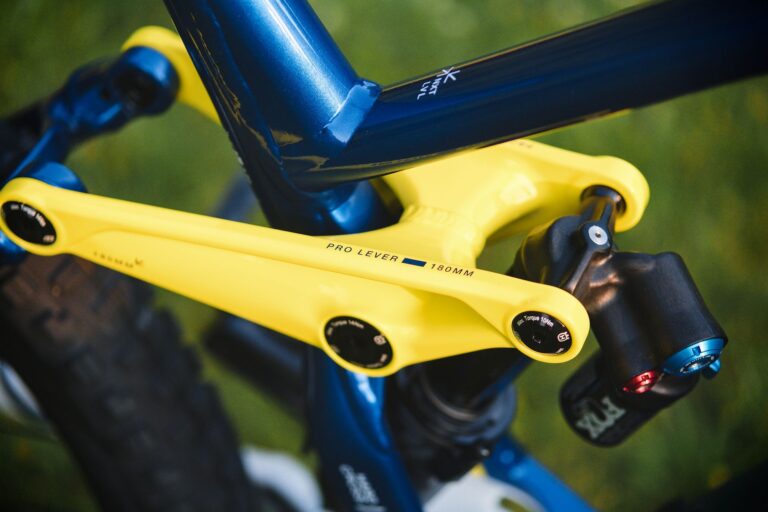
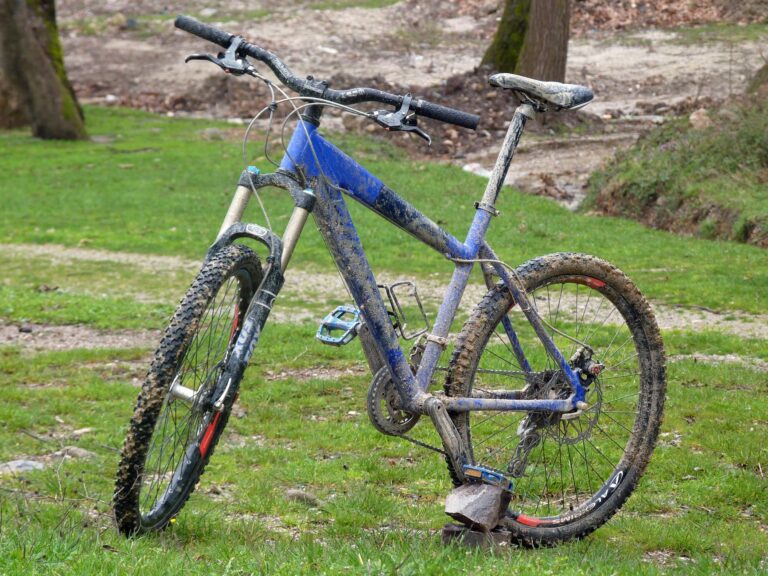
- Mountain bike: wide tires, low gears, and strong brakes for rough trails
- Gravel bike: road-like efficiency with clearance for wider tires and unpaved routes
- Electric bike: motor assistance for hills, longer trips, or carrying loads
Fit matters more than the size label
Bike sizes are not standardized across brands. Your height can suggest a starting point, but it cannot confirm fit by itself. When seated, you should reach the handlebar without locking your elbows or straining your back.
At the bottom of a pedal stroke, your knee should retain a slight bend rather than becoming fully straight. Check that you can stand over the frame safely and start, stop, and turn without feeling stretched. Minor saddle changes can help, but a frame that is fundamentally too large or small is difficult to correct.
Set a complete first-bike budget
The purchase price is only part of the cost. Plan for essential equipment and likely maintenance instead of spending the entire budget on the bicycle.
A practical starter setup may include: Suspension, extra gears, and lighter components can raise the price without improving every ride. Spend first on correct fit, dependable brakes, suitable tires, and gears low enough for your local hills.
- A certified helmet that fits securely
- Front and rear lights, even if you expect to ride during daylight
- A lock suited to where and how long you park
- A floor pump with a pressure gauge
- A spare tube, tire levers, and a compact repair tool
Inspect and test before committing
Ride the bike long enough to shift through the gears, brake firmly, turn at low speed, and climb a small incline if possible. The controls should be easy to reach, and the bike should not pull, rattle, or skip gears. For a used bicycle, inspect the frame in bright light.
Dents, cracks, deep corrosion, damaged wheels, or loose steering can signal repairs that exceed the value of a low purchase price. Check whether replacement parts and compatible batteries are readily available, especially for older electric bikes. A weak or unsupported battery can turn an inexpensive e-bike into a costly project.
Arrange the first adjustments
Ask the seller what assembly, fitting, warranty coverage, and follow-up service are included. A shop may offer useful adjustments after cables settle, while a boxed bike may require professional assembly before it is safe to ride.
Before the first outing, confirm that the wheels are secure, the tires are properly inflated, and both brakes work. Practice starting, stopping, signaling, and looking behind you in a quiet area before entering traffic or a busy path.