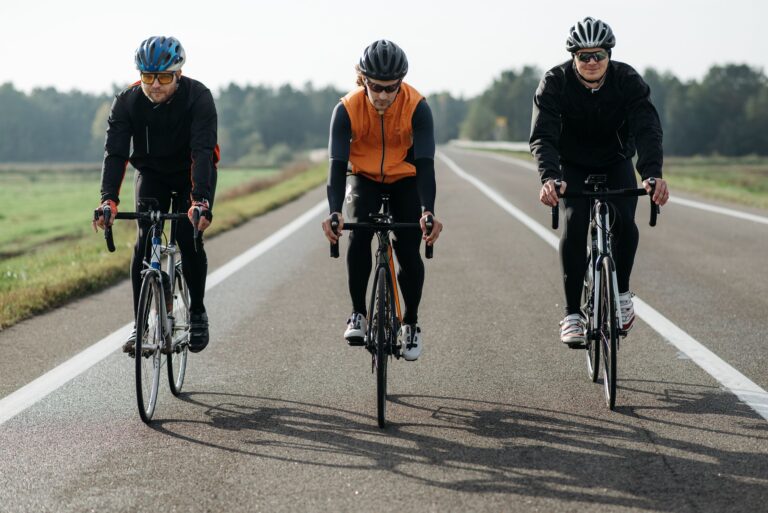
The Kingbull Literider 2.0 positions itself as a lightweight sport-oriented bike designed for riders seeking an efficient blend of speed and approachability. The bike’s strengths center on its nimble handling characteristics and lower weight profile compared to heavier commuter or mountain bike alternatives, making it well-suited for riders transitioning from casual cycling into more performance-minded riding.
However, like most sport-focused designs, it makes specific compromises in comfort and versatility that deserve careful consideration before purchase. The Literider 2.0 succeeds most clearly when matched to its intended use case—relatively smooth pavement, moderate distances, and riders with established fitness levels. A rider upgrading from a basic hybrid or flat-bar commuter will immediately notice the efficiency gains, but someone seeking a single bike for varied terrain and casual neighborhood cruising may find its design philosophy at odds with their actual riding patterns.
Table of Contents
- What Makes the Literider 2.0 Stand Out Among Entry Sport Bikes?
- Handling, Comfort, and the Real-World Trade-offs
- Components and Drivetrain Performance
- Suitability for Different Rider Types and Use Cases
- Maintenance Demands and Real-World Durability
- Tire and Wheel Considerations
- Realistic Performance Expectations and What to Upgrade First
What Makes the Literider 2.0 Stand Out Among Entry Sport Bikes?
The Literider 2.0’s primary appeal lies in its weight-to-price ratio and entry-level accessibility to road cycling. Compared to traditional heavy comfort bikes, the reduced mass translates to noticeably quicker acceleration and less effort required to maintain momentum on flat terrain. The drop bar position and tighter geometry encourage a more aerodynamic riding posture, which becomes relevant on longer efforts where wind resistance compounds fatigue.
The frame geometry leans toward responsiveness rather than stability, which rewards precise handling inputs but demands more active rider engagement. A commuter accustomed to the upright, relaxed posture of a cruiser or commuter bike will experience an adjustment period—the forward lean and narrower handlebar width require shoulder and core engagement that casual riders may find fatiguing on initial exposure. This is not a flaw in the design, but rather a direct consequence of its sport-oriented priorities.
Handling, Comfort, and the Real-World Trade-offs
The frame’s responsiveness becomes a liability on rough pavement or over extended distance. While the bike’s lower weight makes it efficient on smooth roads, it offers minimal vibration dampening on surfaces with cracks, potholes, or gravel sections. A rider on a smooth, well-maintained bike path will enjoy the snappy feedback; the same rider attempting a mixed-terrain commute involving rough urban streets will feel every impact through the frame and handlebars.
Comfort over longer distances suffers due to the aggressive riding position and relatively narrow seat. The bike is capable of 30+ mile rides in the hands of an experienced cyclist, but riders new to drop bars often report discomfort in the hands and lower back before fatigue sets in. The seat is not generously padded, which reflects the lighter overall design but means adding a better saddle should be anticipated as an upgrade expense rather than treated as optional.
Components and Drivetrain Performance
Entry-level sport bikes like the Literider 2.0 typically arrive with functional but modest component groupsets that prioritize reliability over precision. Shifting is adequate for general riding but may require regular cable adjustment and cleaning to maintain crisp performance. The braking system provides stopping power sufficient for typical road speeds, though modulation takes practice—the mechanical advantage differs meaningfully from the broader brake levers found on comfort bikes.
The drivetrain’s gear range balances versatility with weight savings. A typical Literider 2.0 configuration offers enough low-end gearing for moderate hills but assumes riders possess baseline fitness. A heavy rider or someone regularly climbing steep grades should verify the exact gear ratios before purchase, as undersized chainrings designed to save weight can create frustration in varied terrain. The crankset and cassette wear at typical rates for entry-level bikes, meaning regular maintenance and eventual replacement should factor into long-term ownership costs.
Suitability for Different Rider Types and Use Cases
The Literider 2.0 suits riders with clear, limited ambitions: regular pavement cycling on established routes with minimal elevation change. A person commuting five miles each direction on a smooth bike path gains real value from this bike’s efficiency without encountering its limitations. Conversely, a rider seeking a single tool for multiple purposes—commuting on rough city streets some days, casual weekend family rides others, occasional gravel exploration—will constantly bump against the bike’s narrow focus.
New riders drawn to cycling by competitive events or riding partners who own road bikes often choose this category as an entry point, which is reasonable if expectations align. The bike does not prevent you from becoming faster or riding farther; it simply offers no assistance in either direction. A rider who buys this bike imagining it will make them fit enough to join a fast group ride will be disappointed by the bike’s limitations, not its character.
Maintenance Demands and Real-World Durability
Sport-oriented geometry and lighter components mean the Literider 2.0 rewards regular maintenance and punishes neglect more severely than heavier, more robust designs. The drivetrain accumulates wear faster under the same riding conditions, partly because lighter components have less material to distribute stress. A chain and cassette that might last 3,000 miles on a heavier bike may require replacement at 2,000 miles here. Cable housing and derailleur pivots demand regular cleaning and lubrication, especially in wet conditions.
A critical warning: do not assume paint durability matches the bike’s cost. The frame’s light weight often reflects choices in paint thickness and protective coatings. Minor scratches that would be cosmetic on a heavier bike can develop into serious rust if left unaddressed, particularly in salt-spray or humid environments. Protect the frame early and aggressively, especially around welds and cable entry points where paint coverage tends to be thinnest.
Tire and Wheel Considerations
The Literider 2.0 typically arrives on narrow, high-pressure tires designed to minimize rolling resistance on pavement. These tires perform well on smooth surfaces but offer minimal traction on gravel, grass, or wet surfaces. Many riders immediately upsize to slightly wider tires (28mm instead of 25mm) to gain better grip and comfort without sacrificing meaningful efficiency.
This simple upgrade costs under $100 but substantially broadens the bike’s real-world usability. Wheel integrity matters more on a lighter bike frame because there’s less dampening to protect the wheels from lateral impact. Hitting a pothole at speed poses genuine risk of bending rims or cracking spokes on entry-level wheels. Riding defensively and avoiding obvious hazards is essential; this is not a bike to bomb down poorly maintained streets with casual abandon.
Realistic Performance Expectations and What to Upgrade First
If you purchase a Literider 2.0, expect functional shifting and braking that require tuning, a saddle that will need replacement within the first month, and tires that feel under-grippy in any condition other than dry pavement. These are not defects but rather reflections of the price point. The frame itself is honest and responsive—problems arise from consumable components and the bike’s inflexible design parameters.
The most valuable first upgrade is saddle replacement, which costs $50 to $150 and directly improves riding comfort on every outing. The second is switching to slightly wider, more forgiving tires. These two changes transform the bike from an experience that feels mismatched to the average rider into something genuinely enjoyable for the intended purpose. Everything else—drivetrain overhauls, braking system upgrades, wheelset improvements—should wait until the bike’s actual limitations become apparent through extended ownership rather than anticipated from the spec sheet.
- —