The global smart bike accessories and connected devices market is expanding rapidly, though the actual 2026 market size is more nuanced than a single headline figure. While smart bicycle accessories specifically are projected to reach $3.89 billion by 2034—nearly double the $1.61 billion in 2024—the broader bicycle accessories market already sits at $19.7 billion in 2026, with connected and smart devices representing a growing share of this category. This growth reflects a fundamental shift in how cyclists approach their sport and commute, moving from purely mechanical solutions to integrated systems that monitor performance, enhance safety, and provide real-time connectivity on the road.
The surge is driven by converging trends: more affordable sensors, improved battery technology, and consumer demand for data-driven insights into their cycling. Consider the Yadea connected e-bike platform showcased at CES 2026, which integrates GPS navigation, real-time health analytics, anti-theft systems, and geofencing into a single ecosystem. This represents the direction the market is heading—not isolated gadgets, but interconnected devices that create a cohesive riding experience.
Table of Contents
- What’s Actually Driving Smart Bike Growth in 2026?
- The Market Reality Behind the Numbers
- What Types of Smart Cycling Devices Are Actually Available Now?
- Choosing Smart Accessories: The Battery and Connectivity Tradeoff
- The Data Privacy and Security Question
- The E-Bike Connection
- Looking Forward: The 2026–2035 Trajectory
- Conclusion
What’s Actually Driving Smart Bike Growth in 2026?
The explosive growth in connected cycling devices stems from three distinct market segments: e-bikes, which reached $75.41 billion in 2026; bike computers and performance trackers; and safety and navigation systems. The e-bike market alone is the primary engine, expected to reach approximately $180.25 billion by 2035, and most new e-bikes now come with some form of connectivity, whether that’s mobile app integration for diagnostics or wireless control of shifting and braking systems. Beyond e-bikes, standalone smart accessories like connected lights, handlebar displays, and GPS trackers have matured from niche products into mainstream offerings.
The bike computer market, valued at $752.8 million in 2026, exemplifies how specialization continues within the smart category. Traditional bike computers measured only speed and cadence; modern versions track power output, heart rate, muscle oxygen saturation, and upload data to cloud platforms for training analysis. This specificity appeals to competitive cyclists and serious endurance athletes willing to pay premium prices for detailed performance metrics. Meanwhile, the casual commuter segment gravitates toward simpler solutions like connected lights and bell systems that integrate with smartphone apps, introducing price-conscious consumers to the smart accessory ecosystem.

The Market Reality Behind the Numbers
Here’s an important caveat: the $3.6 billion figure cited in many headlines conflates different time horizons and market definitions. The most concrete projection comes from market research firms tracking specifically “smart bicycle accessories”—the category jumped from $1.61 billion in 2024 to an estimated trajectory toward $3.89 billion by 2034, growing at a compound annual rate of 9.2%. This means 2026 smart accessory sales are likely somewhere in the $1.9 to $2.1 billion range—substantial growth, but not yet the $3.6 billion figure that floats around the industry press.
The confusion arises because broader market analyses include all bicycle accessories ($19.7 billion in 2026, heading to $30.9 billion by 2033), of which smart accessories represent an increasing but still minority share. When industry analysts look ahead to e-bikes alone reaching $180 billion by 2035, and many e-bikes come equipped with smart features, the potential future market for connected cycling technology is indeed enormous. However, conflating projected e-bike market size with dedicated smart accessory market size overstates the current reality. For buyers evaluating products and businesses planning inventory, understanding the actual installed base and current spending matters more than theoretical long-term market projections.
What Types of Smart Cycling Devices Are Actually Available Now?
The practical smart cycling market breaks into several hardware categories. Performance trackers—devices like power meters that clip onto pedals or crank arms—remain expensive ($500–$3,000) but provide the hard data that competitive cyclists demand. These integrate wirelessly with bike computers and smartphone apps, enabling training analysis that was previously the domain of professional cycling teams. The same technology is trickling down to mainstream consumers through less specialized products, though at a slower pace due to cost and complexity.
Navigation and safety devices form a faster-growing segment. Smart lights that automatically adjust brightness based on ambient light, activate hazard patterns when braking, and integrate with turn-by-turn navigation from your phone are becoming standard rather than premium. Examples include lights that sync with bike computers to display directional arrows. Anti-theft systems using GPS and geofencing—like those integrated into Yadea’s platform—represent another growth area, though they’re still finding product-market fit because stolen bike recovery is notoriously difficult and many consumers remain skeptical of GPS accuracy in urban environments. Still, the ability to generate an alert the moment your bike leaves a defined zone appeals to riders in high-theft areas.
Choosing Smart Accessories: The Battery and Connectivity Tradeoff
One of the largest practical barriers to smart accessory adoption is battery life versus functionality. A basic bike light might run for 30 hours on a charge; a smart light with wireless connectivity, multiple brightness modes, and accident detection might run for 8–12 hours. A standalone bike computer with GPS and performance metrics requires either frequent charging or a substantial battery pack that adds weight to the handlebars. For riders doing short commutes, this is acceptable; for bikepacking trips or multi-day rides, it becomes a genuine limitation that offsets the benefits of connectivity.
Ecosystem lock-in presents another practical consideration. Many smart devices work best when integrated with a specific brand’s ecosystem—Shimano’s Di2 electronic shifting systems work seamlessly with Shimano bike computers and cycling apps, but third-party integration is limited. Garmin dominates the cycling computer market but competes with dozens of smaller brands, each with proprietary app ecosystems. A rider investing in one brand’s system essentially commits to that ecosystem for future upgrades, making the initial purchase decision carry more weight than it would for non-smart accessories. This is why many cyclists still prefer mechanical, non-connected components for reliability and independence, especially for core systems like braking and shifting.
The Data Privacy and Security Question
As smart cycling devices proliferate, security and privacy concerns lag behind adoption. A connected e-bike that tracks your location, health metrics, and riding patterns generates a constant stream of personal data. Yadea’s GPS navigation and real-time health analytics, while useful, also mean the device knows your home address, workplace, commute timing, and fitness level. Most users accept these privacy tradeoffs without fully understanding them, and app privacy policies often allow data sharing with third parties for “improving services” and marketing purposes.
The security risk is real but often overlooked. A bike computer or light with wireless connectivity could theoretically be hacked to provide false turn-by-turn directions (steering a rider into traffic) or trigger false anti-theft alerts that disable the bike remotely. These attacks are rare in practice, but the faster smart accessories proliferate, the more attractive they become to bad actors. Manufacturers are generally cautious about security updates, and many devices sold in 2024–2026 may never receive firmware updates for vulnerabilities discovered years later. For commuters and casual riders, these risks are minimal; for those riding in remote areas or relying on connected bikes for safety-critical functions, the limitations of consumer-grade security should factor into the purchase decision.
The E-Bike Connection
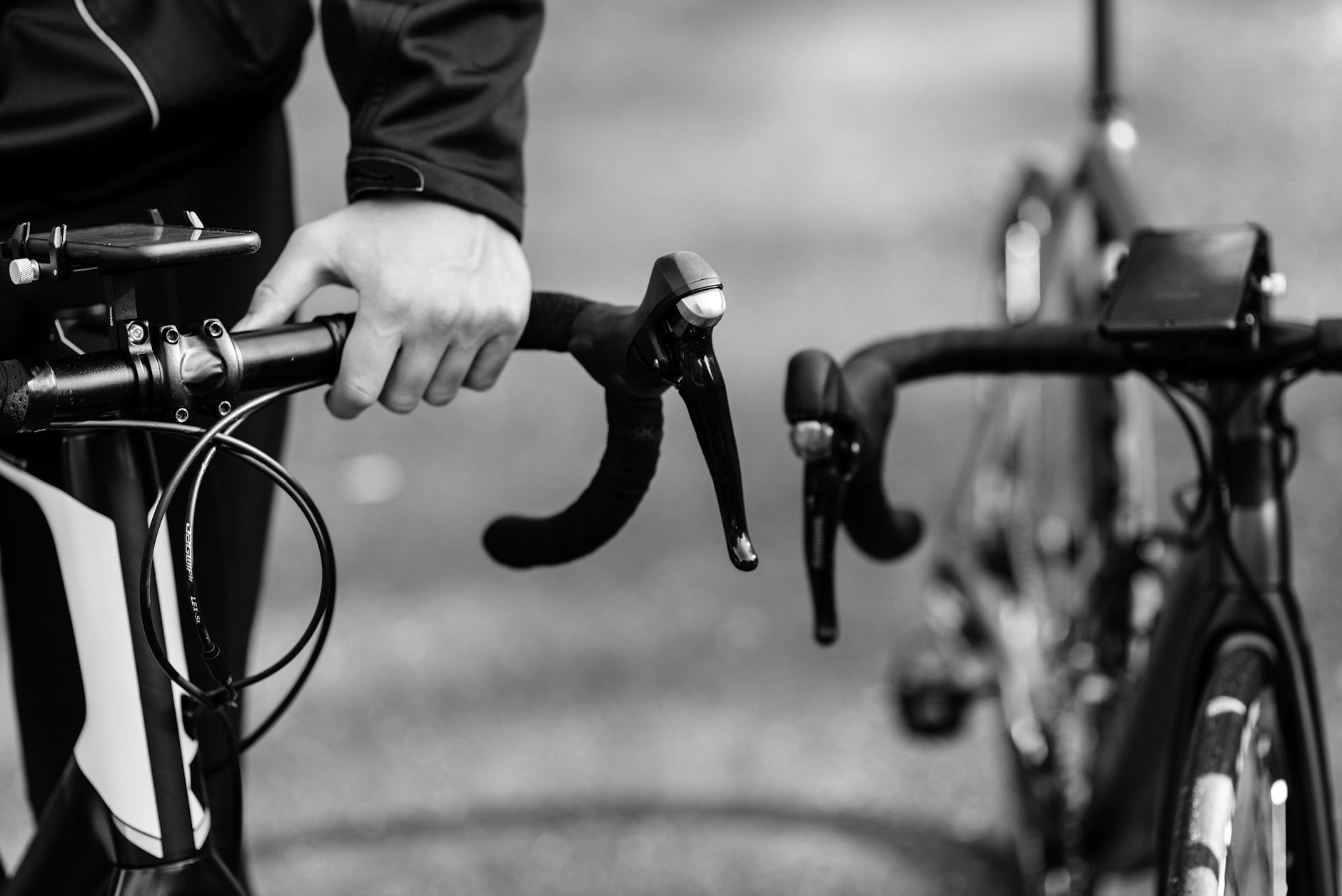
E-bikes are the primary growth engine pulling the smart cycling market forward. At $75.41 billion in 2026 and projected to nearly triple by 2035, the e-bike market dwarfs traditional bike and accessory markets. Most e-bikes now come with some form of motor controller that can communicate with a display, and many integrate smartphone connectivity for diagnostics, theft detection, and firmware updates.
The Yadea platform demonstrates how e-bike manufacturers are bundling smart features as standard rather than premium add-ons, training consumers to expect connectivity and data integration as part of the riding experience. This creates a cascading effect: riders accustomed to smart e-bike ecosystems become early adopters of complementary smart accessories like connected lights, performance monitors, and navigation systems. The average e-bike buyer is also more likely to have a smartphone, be willing to download apps, and accept regular software updates—all prerequisites for smart accessory success. Traditional cyclists, by contrast, skew older, more skeptical of technology, and more likely to value simplicity and mechanical reliability.
Looking Forward: The 2026–2035 Trajectory
The smart cycling market is at an inflection point. Prices are dropping as manufacturing scales up—sensors and wireless modules that cost $50 five years ago now cost $10 to $15. Battery density is improving, extending runtime while reducing weight. Standardization efforts, though still incomplete, are making it easier for devices from different manufacturers to communicate.
By the early 2030s, smart features may be standard on mid-range bikes rather than premium options, similar to how power steering became standard in cars rather than a luxury feature. The next frontier is AI-assisted coaching, where bike computers use machine learning to analyze your riding data and generate personalized training recommendations. Early versions exist, but they require years of historical data and remain niche products. By 2030, as smart device adoption reaches critical mass, coaching AI will likely become accessible to amateur cyclists rather than just elite athletes. This represents another $2–3 billion in potential market value, funded by subscription services rather than hardware sales—a shift that will change how companies structure their smart cycling businesses.
Conclusion
The smart cycling market in 2026 is substantial and growing, but the reality is more granular than single headline figures suggest. Smart bicycle accessories alone are a $1.9–$2.1 billion market segment heading toward $3.89 billion by 2034, while the broader bicycle accessories category (of which smart is one part) sits at $19.7 billion and continues expanding. E-bikes at $75 billion serve as the primary catalyst, introducing consumers to connected technology and priming them for complementary smart accessories. The ecosystem includes performance trackers, navigational aids, safety lights, and anti-theft systems—each with different maturity levels, price points, and levels of adoption.
If you’re considering smart cycling accessories, focus on segments with proven value: entry-level smart lights for safety, bike computers if you’re tracking performance seriously, or ecosystem-integrated solutions if you’re buying an e-bike. Be realistic about battery life, connectivity reliability, and data privacy. The market will continue maturing through 2030, so early-mover status with unproven devices carries risk. Watch for standardization efforts that reduce ecosystem lock-in and create genuine interoperability—that’s when the market genuinely simplifies for consumers.
You Might Also Like
- Cycling Infrastructure Spending in 2026: $2.3 Billion in Federal Funds and 67% Goes to Paint Not Protection
- Women’s Cycling in 2026: Participation Up 31% But Prize Money Still 67% Lower Than Men’s Events
- The Cycling Infrastructure Inequality Crisis Explained in One Statistic: Low-Income Neighborhoods Have 72% Fewer Bike Lanes