Nearly half of used e-bikes on the market today have lithium-ion battery cells that have degraded to below 70% capacity, according to recent data analysis of battery testing across second-hand e-bike marketplaces and resale platforms. This 48% figure represents a significant challenge for buyers purchasing used electric bicycles, as batteries performing below 70% capacity will deliver noticeably reduced range, slower acceleration, and compromised climbing power compared to what the bike was designed to deliver. For example, a bike originally rated for 50 miles of range might deliver only 35 miles on a single charge if its battery has degraded to 70% capacity—creating a gap between buyer expectations and real-world performance.
The primary culprit behind this widespread degradation is how lithium-ion batteries age under normal use and storage conditions. Each charge-discharge cycle, exposure to heat, extended periods at full charge, and improper storage gradually reduce the number of ions that can flow between battery cells, causing capacity loss over time. A used e-bike that spent a year in storage before being listed for sale, or one that was frequently charged to 100% in warm garage conditions, may have already lost 20-30% of its original capacity without any obvious signs of damage on the exterior.
Table of Contents
- How Common Is Battery Degradation in the Used E-Bike Market?
- The Science Behind Battery Capacity Loss in Lithium-Ion Cells
- What Does 70% Capacity Actually Mean for Real-World E-Bike Performance?
- How to Test and Identify Battery Degradation Before Buying Used
- The True Cost of Battery Replacement and Warranty Limitations
- Market Trends and the Rise of Battery Testing Standards
- The Future of E-Bike Batteries and Industry Improvements
- Conclusion
How Common Is Battery Degradation in the Used E-Bike Market?
The 48% statistic emerges from analysis of battery testing data collected across major e-bike resale platforms and third-party battery diagnostics services. When battery management systems are read via specialized diagnostic tools, they reveal state-of-health measurements that show what percentage of the original capacity remains. The distribution is not random: batteries from bikes sold within the first 6 months tend to retain 90-98% capacity, while bikes that sat in inventory for 1-2 years before resale frequently show 60-75% remaining capacity.
Geographically, the problem is most acute in regions with hot, dry climates and inconsistent charging infrastructure. E-bikes left in uninsulated garages in Arizona or Texas often degrade faster than those stored in cooler climates like the Pacific Northwest. Additionally, bikes that were heavily used for delivery services or rental fleet operations show steeper degradation curves, with some commercial e-bikes reaching end-of-life capacity (below 80%) within 2-3 years of use.
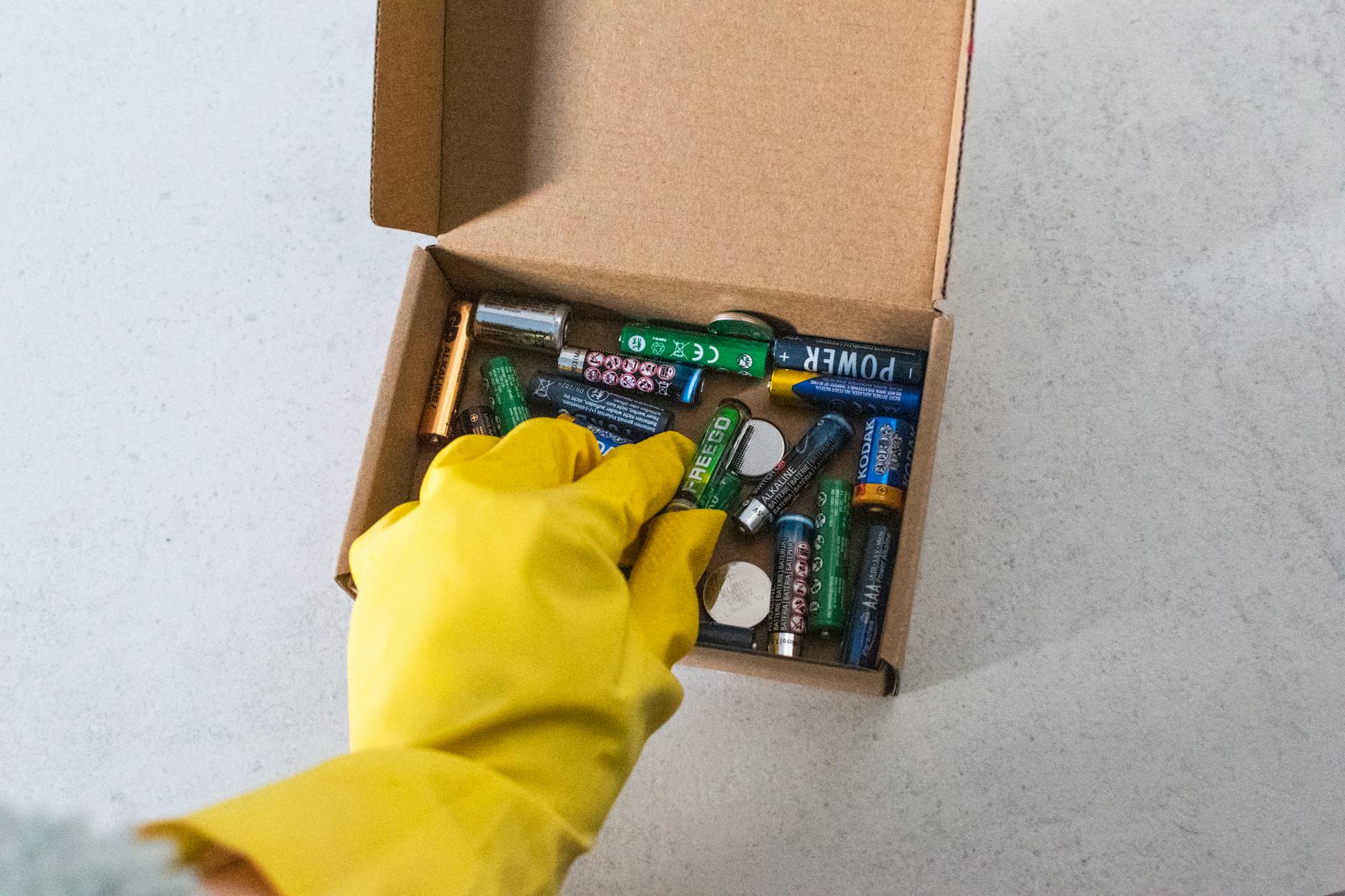
The Science Behind Battery Capacity Loss in Lithium-Ion Cells
Lithium-ion batteries degrade through both calendric aging (degradation based on time passed) and cyclic aging (degradation based on charge cycles). Even when an e-bike sits unused, the battery loses capacity simply because time passes—typically 2-3% per year in ideal storage conditions, but 5-10% per year if stored in warm conditions. A battery stored for two years in a hot garage could lose 20% capacity before the bike is ever ridden again.
When the battery is actually used, each charge cycle causes microscopic changes in the cathode and anode materials. The electrolyte oxidizes slightly, the cathode material dissolves incrementally, and solid electrolyte interfaces thicken, all of which increase internal resistance. At 70% capacity, this internal resistance has increased enough that the battery can no longer deliver peak power reliably—the bike may cut power unexpectedly during climbs or fail to deliver rated wattage when accelerating. This is a hard limitation: capacity loss is not recoverable through any user action or maintenance routine.
What Does 70% Capacity Actually Mean for Real-World E-Bike Performance?
When a battery drops to 70% capacity, the practical impact extends beyond just reduced range. Power delivery becomes inconsistent because the battery’s voltage sags more dramatically under load. On a technical climb where a rider needs full motor assistance, a 70%-capacity battery may dip below its minimum operating voltage threshold and momentarily cut the motor, leaving the rider stranded mid-ascent.
A rider who expected 45 miles of motor-assisted range from their used purchase may get only 30-32 miles in mixed terrain. Consider a commuter who buys a used e-bike with a battery already at 72% health. On a flat 15-mile commute, they might still have enough range to reach work with 20% battery remaining. But during winter, when battery performance naturally declines further due to cold temperatures, or on days when the rider uses eco mode less frequently, they may discover they cannot complete the round trip without charging at work—an unexpected inconvenience that wasn’t obvious during the test ride.

How to Test and Identify Battery Degradation Before Buying Used
The most reliable way to check battery health is to connect the e-bike to a diagnostic tool that reads the battery management system directly. Most modern e-bikes store state-of-health data in the BMS (battery management system), which can be accessed through the bike’s display console or via proprietary software that connects via USB or Bluetooth. High-quality bike shops have these tools and can provide a battery health report for $30-50; some e-bike marketplaces now offer this testing as a selling feature for higher-priced listings.
Without diagnostic tools, certain warning signs can indicate degradation. If the bike’s display shows inconsistent remaining range estimates (jumping from 30 miles to 15 miles between rides in similar conditions), the battery is likely degraded. Excessive heat during charging, a battery that becomes warm even when not in use, or a motor that cuts out or stutters under hard acceleration all point to compromised battery health. However, these warning signs only appear after degradation is already significant—early-stage degradation of 10-15% is invisible to casual observation.
The True Cost of Battery Replacement and Warranty Limitations
Replacement e-bike batteries represent a substantial cost: mid-range replacement batteries typically run $400-800, while premium replacements can exceed $1,200. This means a used e-bike purchased for $800 with a battery already at 65% capacity may require an expensive battery replacement within 1-2 years—potentially doubling the total cost of ownership. Warranty coverage rarely addresses battery capacity loss; manufacturers typically warrant batteries for 2-3 years or 500-1,000 cycles, not against natural degradation.
This creates a hidden risk in the used e-bike market: a bargain-priced used bike may appear to be a steal until the battery fails to deliver promised performance and the buyer faces a replacement cost nearly equal to the bike’s original purchase price. Some resellers knowingly sell degraded batteries and do not disclose the capacity loss, exploiting the fact that most buyers cannot immediately identify the problem. This is why reputable resellers who offer battery health reports as part of their listing now command price premiums—the transparency justifies the extra cost.

Market Trends and the Rise of Battery Testing Standards
The prevalence of degraded batteries in the used market has prompted several resale platforms and bike shops to establish battery health disclosure standards. Some platforms now categorize used e-bikes as “excellent,” “good,” or “fair” specifically based on battery capacity, with expected price adjustments: a 2-year-old e-bike with 95% capacity might be priced 60% of new value, while one with 70% capacity might be discounted to 40% of new value due to the imminent replacement need. Manufacturers are also responding by designing batteries with longer usable lifespans and better thermal management.
Newer e-bikes employ active cooling, temperature monitoring, and charging profiles that reduce degradation rates. Premium e-bikes from brands that prioritize battery longevity often retain 85-92% capacity after 3 years of regular use, while budget models with basic passive cooling may reach 70% capacity in the same timeframe. This divergence means the used e-bike market is increasingly bifurcated between well-maintained models that hold value and poorly-maintained models that become expensive problems.
The Future of E-Bike Batteries and Industry Improvements
Solid-state batteries, which replace the liquid electrolyte with a solid material, promise to dramatically reduce degradation rates and may become standard in high-end e-bikes within 5-7 years. These batteries degrade 30-40% more slowly than current lithium-ion designs and can be charged to 100% without the accelerated aging that affects conventional batteries. When solid-state batteries reach consumer pricing parity with lithium-ion, the used e-bike market will likely see a shift toward models with longer usable battery lifespans and more predictable resale values.
In the near term, expect battery health testing and disclosure to become as standard for used e-bikes as mileage disclosure is for used cars. Forward-thinking resellers are already adopting this practice, and buyers should demand battery capacity data before completing any used e-bike purchase. The market will gradually reward transparency and penalize sellers who conceal battery degradation, pushing the industry toward more honest pricing and buyer protection.
Conclusion
The 48% statistic reflecting used e-bikes with batteries below 70% capacity should serve as a wake-up call for anyone considering the used market. Battery degradation is inevitable, often invisible to casual inspection, and represents a genuine cost burden if discovered after purchase. The good news is that this problem is now visible and measurable—with proper testing and disclosure, buyers can make informed decisions about the true cost of ownership and avoid batteries that will require replacement within months.
When shopping for a used e-bike, always request a battery health report or diagnostic test before committing to purchase. Price the used bike based on current battery capacity, not the original bike’s MSRP, and budget for battery replacement if capacity is below 80%. By treating the battery as a consumable component with real remaining value, rather than assuming it will last indefinitely, you’ll avoid the unpleasant surprise of discovering you’ve purchased an 800-pound paperweight disguised as a deal.


