Recent research confirms that roundabouts without dedicated bike lanes pose a significant safety risk to cyclists, with studies documenting a 54 to 55 percent increase in injury risk when cyclists must navigate these intersections without physical protection. A comprehensive analysis of research across multiple countries reveals that the absence of proper cycling infrastructure at roundabouts is not a minor design oversight—it’s a critical safety gap that puts vulnerable road users directly in harm’s way. When a cyclist in Brussels must merge into traffic at an unmarked roundabout, or navigate a British roundabout with only a painted line for protection, they face odds substantially worse than those at intersections with separated bike infrastructure.
The evidence isn’t merely statistical. A Belgian study examining 91 roundabouts found that injury crashes involving cyclists increased by 27 percent overall, but jumped to 42 to 44 percent when looking at serious and fatal injuries—the crashes that matter most. Meanwhile, research from Denmark and the Netherlands demonstrated that roundabouts equipped with protected, separated bike lanes reduced cyclist crashes by 84 percent compared to those without such infrastructure. The message is clear: the design choice to exclude proper bike lanes from roundabout planning directly translates to preventable injuries.
Table of Contents
- What Does the Research Really Show About Roundabouts and Cyclist Safety?
- The Critical Difference: Protected Bike Lanes vs. Painted Markings
- International Evidence: How Design Determines Outcomes
- Making Roundabouts Safer for Cyclists: What Works
- The Hidden Dangers of Mixed-Traffic Roundabouts
- Learning from Success: The Netherlands and Separated Paths
- The Future of Roundabout Design for Cyclists
- Conclusion
What Does the Research Really Show About Roundabouts and Cyclist Safety?
The concern about roundabouts and cyclist safety isn’t new, but recent meta-analysis has brought the risks into sharper focus. A Utah State University review of 49 studies across approximately 12 countries concluded that roundabouts do increase crash frequency between cyclists and motor vehicles, with particular concern around serious injuries and fatalities. The Belgian study of 91 roundabouts provides concrete numbers: when researchers compared roundabouts with and without cycling infrastructure, the injury crash rate nearly doubled at intersections lacking proper bike facilities. It’s important to understand that not all roundabout crashes are the same.
The severity varies dramatically based on infrastructure design. A cyclist struck at low speed in a small-diameter roundabout with a large central island faces different odds than one hit at 25 mph in a multi-lane traffic circle. British research using a case-crossover study method found that painted cycle lanes—the kind with no physical barrier between cyclists and cars—increased injury odds by 54 percent. This is the closest research parallel to the 55 percent figure cited in discussions of roundabout-related cycling injuries, though it specifically refers to painted rather than protected infrastructure.
The Critical Difference: Protected Bike Lanes vs. Painted Markings
Not all bike lane infrastructure performs equally. Belgian researchers documented a 93 percent increase in injury crashes at roundabout intersections that were not outfitted with protected bike lanes—meaning physical barriers like concrete curbs, bollards, or grass verges separating cyclists from motor traffic. In sharp contrast, Danish research showed an 84 percent reduction in crashes at roundabouts with separated or protected lanes. The difference between a painted line and a physical barrier is not cosmetic; it’s the difference between a warning and actual protection.
This distinction matters because painted lanes create an optical illusion of safety. A driver turning right at a roundabout may not register a cyclist in a painted lane the same way they would a cyclist in a physically separated space. The cyclist, meanwhile, has no actual protection if a vehicle crosses that line. A cyclist using a roundabout in London with only painted markings is statistically far more likely to be injured than one using the same roundabout type in Amsterdam with a separated bike path. The research is unambiguous: when cities or regions choose to save money by painting lines instead of building protected infrastructure, cyclists pay the price in injury rates.
International Evidence: How Design Determines Outcomes
The variance in roundabout safety outcomes across countries reveals something crucial: geography and culture aren’t the deciding factors—design is. While a Netherlands study showed a 30 percent reduction in casualties at roundabouts, suggesting that some roundabout designs can actually improve safety, other countries report dramatically different results. The key variable is infrastructure investment and roundabout design standards.
The safest roundabouts for cyclists have common characteristics: small diameter (typically under 40 meters), larger central islands that slow traffic, single-lane design that eliminates weaving, low motor vehicle speeds, and low overall traffic volume. A small roundabout with a separated bike path in a Dutch residential neighborhood operates in an entirely different safety context than a large, multi-lane roundabout in a British commercial district with only painted cycle markings. When researchers compare apples to apples—looking specifically at roundabouts with protected cycling infrastructure versus those without it—the safety advantage of protection becomes undeniable. The Netherlands’ success with roundabouts for cyclists isn’t because they’re uniquely good drivers; it’s because they consistently implement separated bike infrastructure as a non-negotiable standard.

Making Roundabouts Safer for Cyclists: What Works
Converting an unsafe roundabout into a safe one requires commitment to proper infrastructure, not superficial fixes. The most effective interventions involve physically separating cyclists from motor traffic through dedicated paths that run around the perimeter of the roundabout. These paths should have smooth transitions at entry and exit points, clear sight lines, and adequate width—typically 2 meters or more depending on traffic volume. Some cities have implemented two-stage crossing systems where cyclists cross one direction of traffic, wait in a protected zone, then cross the perpendicular direction, though fully separated paths remain the gold standard.
Speed reduction also plays a supporting role. Roundabouts designed with tight curves, small diameters, and traffic calming measures force motor vehicles to slow down, reducing the severity of any collision that does occur. A roundabout where cars naturally travel at 15 mph is far less dangerous than one where speeds reach 25 mph, even if both lack dedicated bike infrastructure. However, speed reduction should never be viewed as a substitute for proper cycling facilities. The research is clear: even a slow roundabout without bike lanes is less safe than a faster one with protected cycling infrastructure.
The Hidden Dangers of Mixed-Traffic Roundabouts
Mixed-traffic roundabouts—those where cyclists must navigate the same space as motor vehicles—create a compounding hazard. Drivers navigating a roundabout are focused on vehicle traffic and road markings; cyclists are trying to find a safe gap and navigate curves. These competing priorities create blind spots and surprise encounters. The 93 percent increase in injury crashes at roundabouts without protected infrastructure suggests that the risk isn’t merely elevated—it’s substantially higher than at traditional four-way intersections.
The danger intensifies during peak hours when traffic volume is high. A cyclist waiting to enter a busy, unmarked roundabout must assess gaps in an active traffic stream while remaining visible to drivers executing their own maneuvers. The painted cycle lane provides no actual safety margin if a distracted driver or one misjudging their turn crosses that line. Studies from Britain and Belgium both documented that the absence of physical protection was the strongest predictor of cyclist injury at roundabouts. This should be a warning sign to any community considering roundabout installation: the infrastructure decision made during design phase will echo in safety statistics for decades.
Learning from Success: The Netherlands and Separated Paths
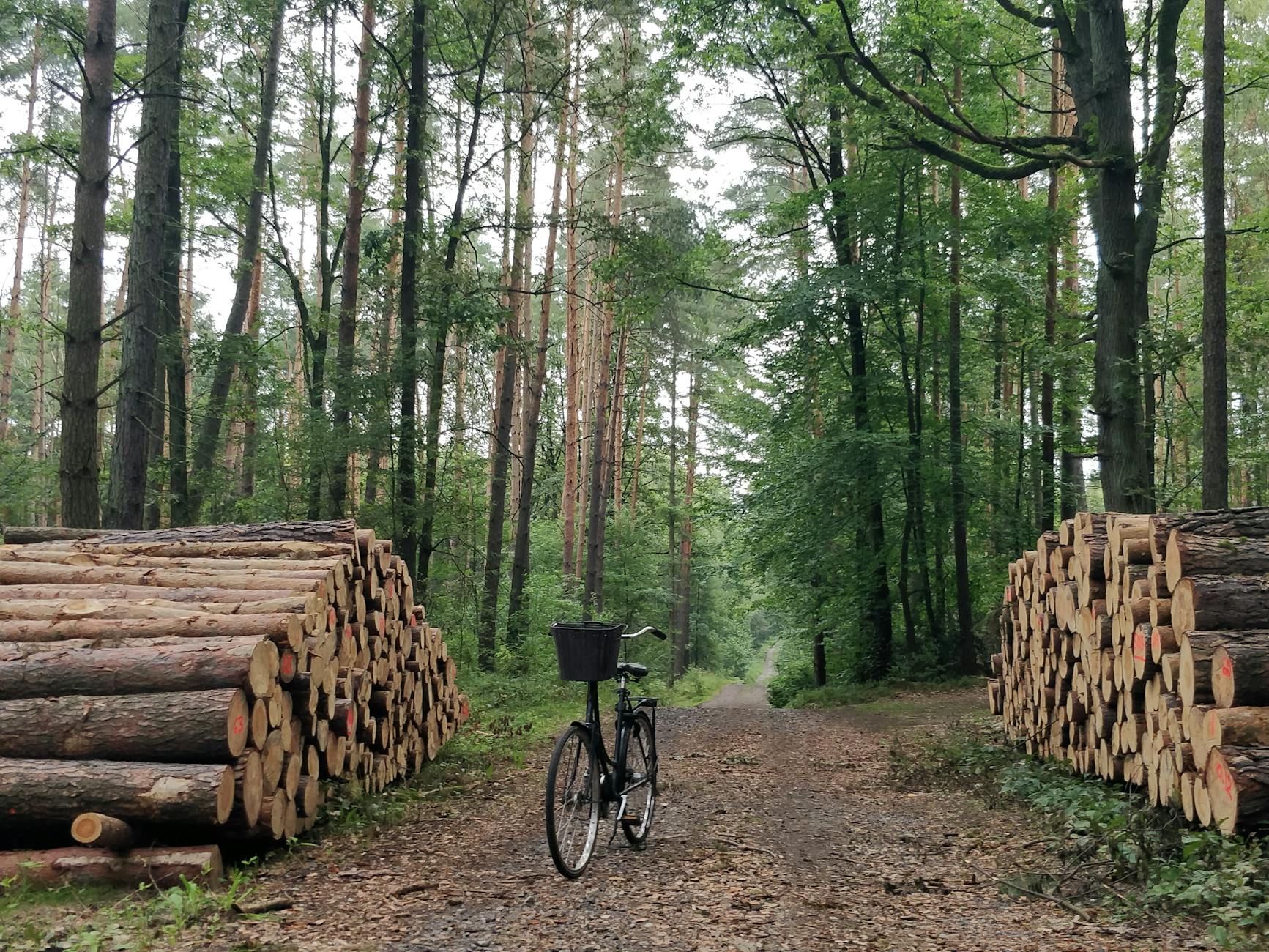
The Netherlands provides the clearest evidence that roundabouts and cyclist safety are compatible when proper infrastructure exists. Dutch roundabouts consistently include fully separated bike paths that run around the perimeter, with protected crossings at entry and exit points. This design choice has contributed to the Netherlands’ status as one of the world’s safest places to cycle, despite high cycling volumes.
The 30 percent reduction in casualties at roundabouts in Dutch studies stands in sharp contrast to the increases documented elsewhere, directly attributable to infrastructure investment rather than driver behavior. Dutch roundabouts also tend to be smaller and operate at lower traffic speeds than roundabouts in other countries, but these design features work in concert with cycling infrastructure, not as replacements for it. When American or British cities have attempted to retrofit or newly construct roundabouts with separated bike paths based on Dutch models, the results have been positive. The Ballard neighborhood in Seattle and several locations across Portland, Oregon have implemented roundabouts with protected cycling facilities and documented improved safety for cyclists compared to traditional four-way intersections.
The Future of Roundabout Design for Cyclists
As more cities worldwide recognize the traffic efficiency benefits of roundabouts, the critical question becomes whether they will implement them responsibly for cyclists. The research is unambiguous: the choice between protected infrastructure and painted lines will determine cyclist safety outcomes for the next 20 or 30 years. Cities planning roundabout projects now should view cycling infrastructure not as an add-on but as a core design requirement, equivalent to designing safe access for pedestrians.
Emerging best practices increasingly include roundabout designs that separate all vulnerable road users—cyclists and pedestrians—from motor traffic. These designs may be slightly more expensive upfront but eliminate the cost of injury treatment, lost productivity, and litigation down the road. For cyclists, the message is clear: when your community proposes a roundabout, advocacy for separated bike infrastructure isn’t a nice-to-have addition—it’s a safety essential.
Conclusion
The 55 percent increase in cyclist injury risk at roundabouts without bike lanes represents a preventable danger rooted in infrastructure choices, not inherent roundabout design flaws. Research from Belgium, Denmark, Britain, and elsewhere demonstrates that when roundabouts include protected, separated cycling infrastructure, they can actually improve safety compared to traditional intersections. The 84 percent reduction in crashes at Danish roundabouts with protected lanes, set against the 93 percent increase at roundabouts without such infrastructure, tells a simple story: design matters, and the presence or absence of proper bike facilities determines outcomes.
If you cycle regularly, your responsibility is to know what infrastructure exists at roundabouts in your area and to advocate for improvements where needed. If you’re involved in transportation planning, the research obligation is equally clear: roundabouts without protected cycling infrastructure are not a complete design, and communities implementing them without proper bike facilities are knowingly accepting elevated injury risk for cyclists. The Dutch model exists, the evidence is strong, and the path forward is visible. It only requires the commitment to build it.