Spoke nipple corrosion caused by galvanic reaction is a silent wheel killer that most cyclists never see coming—until their wheels become impossible to adjust. When two dissimilar metals like aluminum nipples and steel spokes are electrically connected and exposed to moisture, road salt, or even sweat, they trigger a chemical process that accelerates corrosion in the less noble metal. The result is often a wheel that looks fine from the outside but is structurally compromised, with seized nipples that cannot be trued and internal corrosion that weakens the entire structure.
A cyclist might notice something is wrong only when attempting to dial in spoke tension during a routine maintenance session, only to discover the nipple has seized solid and cannot turn. The problem is especially prevalent in modern wheelsets that combine carbon fiber rims, aluminum nipples, and steel or titanium spokes—a recipe for galvanic corrosion if protective measures are skipped during wheel building. Most cyclists focus on brake pad wear and tire tread depth, but ignore the hidden chemistry happening at the spoke-to-nipple interface. Understanding galvanic corrosion and taking simple preventive steps during wheel building—or when servicing existing wheels—is the difference between a wheelset that lasts a decade and one that becomes a maintenance nightmare within a few years.
Table of Contents
- What Is Galvanic Corrosion and Why It Attacks Your Wheels?
- The Hidden Risk of Modern Wheel Materials
- How to Recognize Spoke Nipple Corrosion Before It’s Too Late
- Proven Methods to Protect Your Spokes and Nipples
- Material Combinations That Matter
- The Role of Environmental Exposure
- Building Wheels That Last
- Conclusion
What Is Galvanic Corrosion and Why It Attacks Your Wheels?
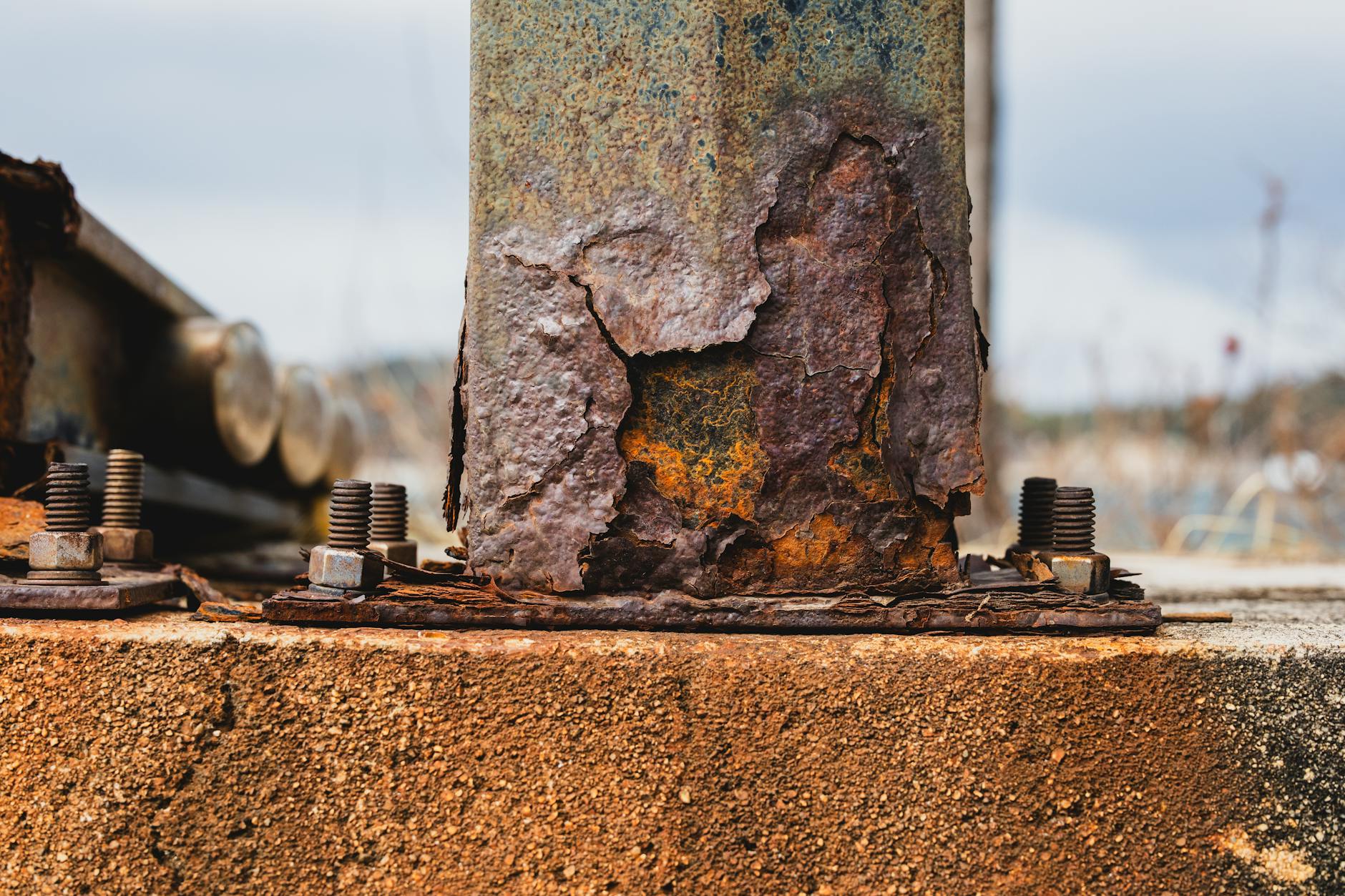
Galvanic corrosion is an electrochemical reaction that occurs when two dissimilar metals make contact in the presence of an electrolyte—which can be moisture, road salt, sweat, or even the thin film of water that accumulates on your wheels during humid conditions. In a galvanic cell, the less noble (more reactive) metal acts as the anode and corrodes faster, while the more noble metal acts as the cathode and remains protected. Your spoke-and-nipple assembly is a perfect setup for this reaction: the dissimilar metals are in direct contact, and the electrolyte is supplied by every rainy ride or salty winter commute. Over time, the anode metal—often aluminum or certain alloys—begins to deteriorate at an accelerated rate. This process doesn’t happen overnight, which is why it catches so many riders off guard. For months, there may be no visible sign of a problem.
But internally, the corrosion is spreading, creating a bond between the nipple and spoke that grows stronger and more brittle with each season. When you finally try to adjust your wheel during a truing session, the corroded nipple may not budge at all, or it may turn but with a grinding sensation that indicates the protective coating has been breached. Some builders describe the sensation as trying to turn a rusted bolt—the friction is high, the movement is stiff, and the risk of stripping the nipple is significant. The galvanic potential difference depends on the specific metals used. Stainless steel and brass have a smaller potential difference than stainless steel and aluminum, which means the latter combination is more prone to accelerated corrosion. This is why wheel builders and manufacturers often pair materials carefully, and why a wheelset with stainless steel spokes and brass nipples will generally outlast one with aluminum nipples and steel spokes in the same environmental conditions.
The Hidden Risk of Modern Wheel Materials
Modern wheel construction often prioritizes weight reduction and cost efficiency, which sometimes creates a perfect storm for galvanic corrosion. Carbon fiber rims, for example, are excellent from a stiffness-to-weight perspective, but they require metal components—usually aluminum—to secure the spokes and handle spoke tension. Pairing a carbon rim with aluminum nipples and steel spokes creates three different metals in electrical contact through the wheel’s structure. The aluminum nipple, positioned between the steel spoke and carbon fiber rim, becomes the sacrificial anode in this galvanic cell. The corrosion in aluminum nipples produces a distinctive white crust or powder, which many cyclists mistake for dirt or calcium deposits. In brass nipples, the degradation manifests differently: the nipple turns gray, then black, and eventually crumbles like stale cookies if left unchecked. This isn’t merely cosmetic.
As the metal degrades, its structural integrity declines, and the grip between the nipple and spoke weakens. A severely corroded nipple may break entirely during truing attempts, or the spoke may pull through the nipple without developing proper tension. The limitation of modern lightweight designs is that they often require material combinations that are inherently vulnerable to galvanic corrosion, making prevention and maintenance even more critical than it was with heavier, single-material wheelsets. Another overlooked risk is the impact of frame material and spoke composition. If your frame is aluminum or magnesium, the electrical environment around your wheels may favor galvanic corrosion due to the overall electrical pathway through the bike. The spoke may become the cathode (protected) while the nipple becomes the anode (sacrificed), accelerating the deterioration process. Stainless steel spokes mitigate this risk somewhat, but only if paired with compatible nipple materials and protective coatings applied during assembly.
How to Recognize Spoke Nipple Corrosion Before It’s Too Late
The earliest signs of galvanic corrosion are often invisible to casual inspection, which is why regular wheel maintenance is critical. If you notice that your spokes are becoming harder to tension during a truing session, or that certain nipples resist turning while others spin freely, corrosion may already be underway. The best diagnostic practice is to attempt spoke adjustment with a spoke wrench during your annual wheel check. A nipple that spins smoothly should offer consistent, light resistance; one that catches, grinds, or requires excessive force is showing signs of corrosion. Visual inspection can reveal advanced corrosion if you know what to look for. Remove your wheel and examine the spoke head where it exits the rim. If you see a white powdery deposit around aluminum nipples or a dark gray or black discoloration around brass nipples, corrosion has progressed significantly.
Some corrosion is so advanced that you can press your fingernail into the corroded material and feel it crumble. At this stage, the wheel is at serious risk of structural failure, and truing adjustments may be impossible without damaging the nipple or spoke. A practical early warning system is to check your wheels every six months, especially if you ride in wet, salty, or humid conditions. Try rotating a few spokes on each side with a spoke wrench. Resistance should be minimal and consistent. If one nipple seizes while others turn freely, address it immediately by applying a penetrating oil or specialized lubricant. Waiting until the problem is severe limits your repair options and may mean rebuilding the wheel.
Proven Methods to Protect Your Spokes and Nipples
The most effective prevention strategy is to apply a protective coating to the spoke threads before nipple installation, a step that most wheel builders include but many cyclists are unaware of. Linseed oil is the traditional choice—builders dip spoke threads in linseed oil, which creates a thin protective barrier that resists moisture penetration. This approach has been used for decades and remains reliable, though the coating durability typically lasts several years depending on exposure and riding conditions. Park Tool’s ASC-1 anti-seize compound is a modern alternative that provides both corrosion protection and reduced friction between the spoke and nipple. Anti-seize compounds form a metallic-based paste that prevents galvanic contact and lubricates the joint, making future adjustments easier. The tradeoff is that anti-seize compounds can be messier to apply than linseed oil and may require cleanup after installation.
Linseed oil, by contrast, is cleaner and dries to a hard finish, but offers slightly less lubrication for future adjustments. A third approach is to soak nipples in heavyweight machine oil or similar protective liquid prior to wheel building, which extends the protective coating’s durability to multiple years in moderate conditions. The choice among these methods often depends on the wheel’s intended use and lifespan. For a bike that will be ridden hard in salty, coastal conditions, applying both linseed oil to spoke threads and using a high-quality anti-seize compound on the nipple interior provides maximum protection. For a lighter-use or fair-weather bike, linseed oil alone may be sufficient. The key is to apply protection consistently across all spokes—a single unprotected spoke can become a corrosion hotspot and eventually compromise spoke tension in that section of the wheel.
Material Combinations That Matter
The materials you choose during wheel building or purchase directly determine how rapidly galvanic corrosion will advance. Brass nipples offer excellent corrosion resistance and strength for high-tension applications, making them ideal for road bikes and gravel bikes where spoke tension runs high. Stainless steel nipples provide high durability and natural corrosion resistance, though they are less common and sometimes harder to source. Aluminum nipples are lightweight and inexpensive, which makes them attractive for budget builds, but their lower corrosion resistance creates a significant limitation: they require exceptional protection during assembly and are more vulnerable to degradation in wet climates. When selecting a wheelset or building a custom wheel, pay attention to the material pairing. Stainless steel spokes paired with brass nipples is the ideal combination for longevity and corrosion resistance.
Steel spokes with brass nipples also performs well, though slightly less optimally than stainless. The most problematic combination—aluminum nipples with steel spokes—may still be acceptable if rigorous protective coatings are applied during assembly and if the wheel will primarily be used in dry conditions. The limitation is that this combination offers no margin for error; skipping protective measures almost guarantees corrosion issues within a few years. Carbon fiber rims present a special challenge because the rim material itself doesn’t participate in galvanic corrosion but creates an enclosed environment where moisture can accumulate around the metal nipple and spoke interface. High-end carbon wheel manufacturers address this with sealed rim designs and pre-treated nipples, but mid-range and budget carbon wheels may not include this protection. When purchasing a carbon wheelset, inquire about nipple material and any protective coatings applied during assembly. If buying a used carbon wheelset, inspect the nipple area carefully for signs of corrosion before purchase.
The Role of Environmental Exposure
Your riding environment has a dramatic effect on how quickly galvanic corrosion develops. Coastal riders who encounter road salt, winter commuters in freeze-thaw cycles, and humid tropical cyclists all face accelerated corrosion timelines compared to riders in dry climates. Road salt is particularly aggressive because it lowers the electrolyte resistance and actively accelerates the galvanic reaction. A wheelset used exclusively for winter riding in a salted area might show significant corrosion within two to three seasons, while the same wheel in a dry climate could last a decade without protection.
Humidity and sweat also contribute to the corrosion process. Indoor training with a wheel on a stationary trainer can create an environment where sweat drips onto the wheel and accumulates around the rim area, promoting corrosion. Similarly, a bike stored in a damp garage or basement will experience more aggressive corrosion than one kept in a dry shed. The practical lesson is that environmental awareness should guide your maintenance schedule. If you ride in high-corrosion conditions, plan to inspect wheels more frequently—every three months rather than every six—and consider reapplying protective coatings to vulnerable areas periodically.
Building Wheels That Last
If you’re having a custom wheel built or rebuilding a wheel yourself, taking these precautions during assembly determines the wheel’s long-term durability. Communicate with your wheel builder about the intended use, riding conditions, and environment. A builder who is aware that you ride coastal routes will prioritize higher-quality materials and protective coatings.
Request that the builder use linseed oil or anti-seize compound on all spokes and verify that it’s applied consistently. For owners contemplating wheel maintenance or repair, this knowledge suggests a forward-looking perspective: modern wheel design will continue to emphasize lightweight materials and mixed-metal construction, which will keep galvanic corrosion relevant as a maintenance concern. The future of wheel durability likely lies in improved rim sealing designs, protective coatings applied at the factory, and wider adoption of corrosion-resistant material combinations. In the meantime, understanding galvanic corrosion and applying proven prevention methods ensures that your wheels remain adjustable and structurally sound throughout their lifespan.
Conclusion
Spoke nipple corrosion caused by galvanic reaction is preventable with knowledge and simple protective measures applied during wheel assembly or maintenance. The chemical process is relentless—moisture and dissimilar metals will always create the conditions for corrosion—but applying linseed oil, anti-seize compound, or other protective coatings interrupts the reaction and extends wheel life dramatically.
Material selection also matters; brass nipples with stainless steel spokes offer the best long-term outlook, while aluminum nipples require exceptional protection to perform well. Start by examining your existing wheels to identify any early signs of corrosion, adjust your maintenance schedule based on your riding environment, and if you’re commissioning a new wheelset or custom build, ask your wheel builder explicitly about the corrosion prevention strategy they’ll employ. The small effort invested in understanding this issue now will save you from the frustration and expense of dealing with seized, corroded wheels that cannot be adjusted or repaired.


