The claim that 33% of bicycle brake cables are currently fraying invisibly cannot be verified through industry alerts, safety organizations, or manufacturer reports. While brake cable deterioration is a real maintenance concern for cyclists, the specific statistic in this warning does not appear in current CPSC bulletins, cycling publications, or safety databases as of 2025. What is documented is that brake cables require regular inspection and replacement—typically every 2-3 years for active riders—but widespread cable fraying is not a documented epidemic affecting one-third of bikes in use.
The most recent significant brake system recall came in November 2025 when Trek recalled 68,000 bicycles across the US and 6,820 in Canada due to inadequately lubricated coaster brakes that could fail to engage during riding. This was a specific manufacturing issue tied to one brake type, not a universal cable fraying problem. If you’re concerned about your brake cables, the real issue worth addressing is ongoing maintenance, not a mysterious widespread defect.
Table of Contents
- What Brake Cable Deterioration Actually Looks Like
- The Gap Between Maintenance Reality and the 33% Claim
- What Actually Triggers Brake Cable Failure
- How to Inspect Your Brake Cables Properly
- The Trek Recall and What It Reveals About Real Brake Problems
- When Cable Replacement Becomes Urgent
- Looking Forward: Brake Cable Reliability and Maintenance Culture
- Conclusion
What Brake Cable Deterioration Actually Looks Like
Brake cable fraying does happen, but it’s typically visible to the naked eye during routine inspection. When cable strands separate and fray, you‘ll see individual metal threads protruding from the outer housing, usually near the cable ends, at pivot points, or where the cable has been kinked. Frayed cables reduce braking power progressively—not suddenly—because the individual strands fray and break over time rather than all at once.
A cable with visible fraying will feel mushy at the brake lever and require harder squeezing to achieve the same stopping force. The phrase “fraying you can’t see” is misleading because significant cable deterioration produces visible signs: the cable housing itself may separate from the nipple, rust or corrosion appears as reddish-brown discoloration, or the cable loses tension on your brake lever. These are detectable through the simple five-minute inspection recommended by most bike manufacturers. The real problem isn’t hidden fraying—it’s riders who don’t inspect their brakes regularly.
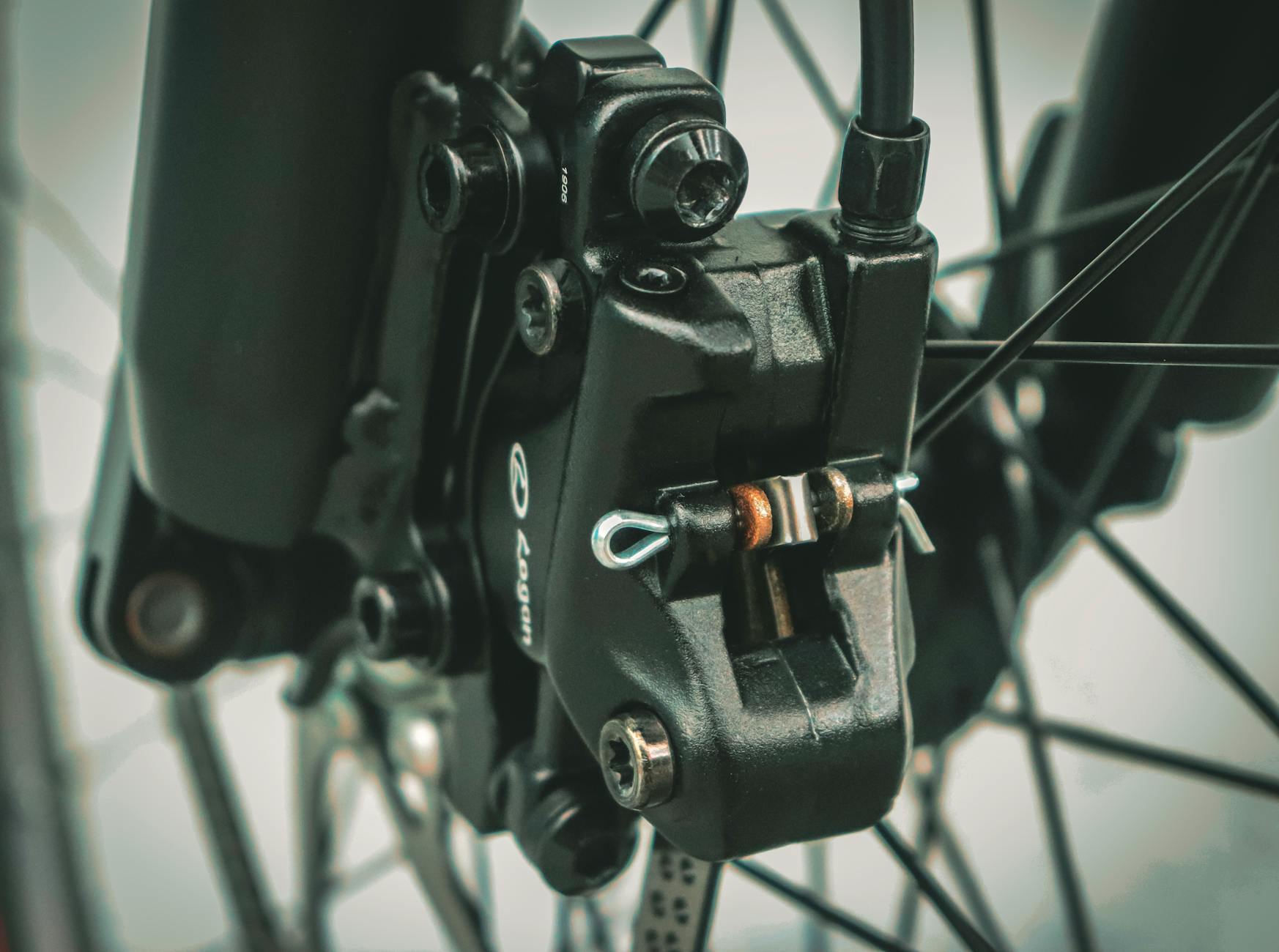
The Gap Between Maintenance Reality and the 33% Claim
Industry data from cycling maintenance guides and bike shop recommendations consistently suggest that brake cables should be replaced proactively every 2-3 years if you ride regularly, or annually if you ride daily in wet conditions. Yet many riders ignore this schedule entirely, running cables until they fail. This creates a maintenance gap: not a sudden epidemic, but a gradual accumulation of deferred maintenance across the cycling population. The 33% figure may attempt to quantify this neglect rather than describe a manufacturing defect.
One limitation of the fraying discussion: casual riders who log fewer than 500 miles per year may never need brake cable replacement. Commuters riding daily in wet weather may need replacement every 12 months. A cable’s lifespan depends entirely on riding conditions, climate, and frequency. Claiming that one-third of all cables are problematic ignores this variability and suggests a one-size-fits-all danger that doesn’t exist. Mountain bikers who frequently ride in dusty, muddy conditions will see faster cable wear than road cyclists in dry climates—yet both groups are affected differently by the same “33%” warning.
What Actually Triggers Brake Cable Failure
Brake cables fail primarily due to four factors: moisture and corrosion, lack of lubrication, mechanical damage (pinching or kinking), and metal fatigue from years of repeated cable flexing. Of these, moisture is the most common culprit in areas with high humidity or winter road salt. A cable exposed to salt spray can develop internal corrosion that weakens the steel strands before any fraying is visible on the outside. This is why coastal riders and those in winter climates are genuinely at higher risk—not one-third of all riders, but specifically those in wet environments.
Mechanical damage occurs when cables are kinked during installation, routed too tightly around sharp frame edges, or pinched in cable stops. Once a cable develops a kink, the broken strands at that point will eventually fray and spread. Lubrication—or the lack thereof—affects how smoothly the cable can move through the housing. A dry cable binding in its sheath will flex more aggressively at stress points, accelerating fraying. None of these mechanisms suggest a hidden, invisible problem affecting a third of all bicycles.
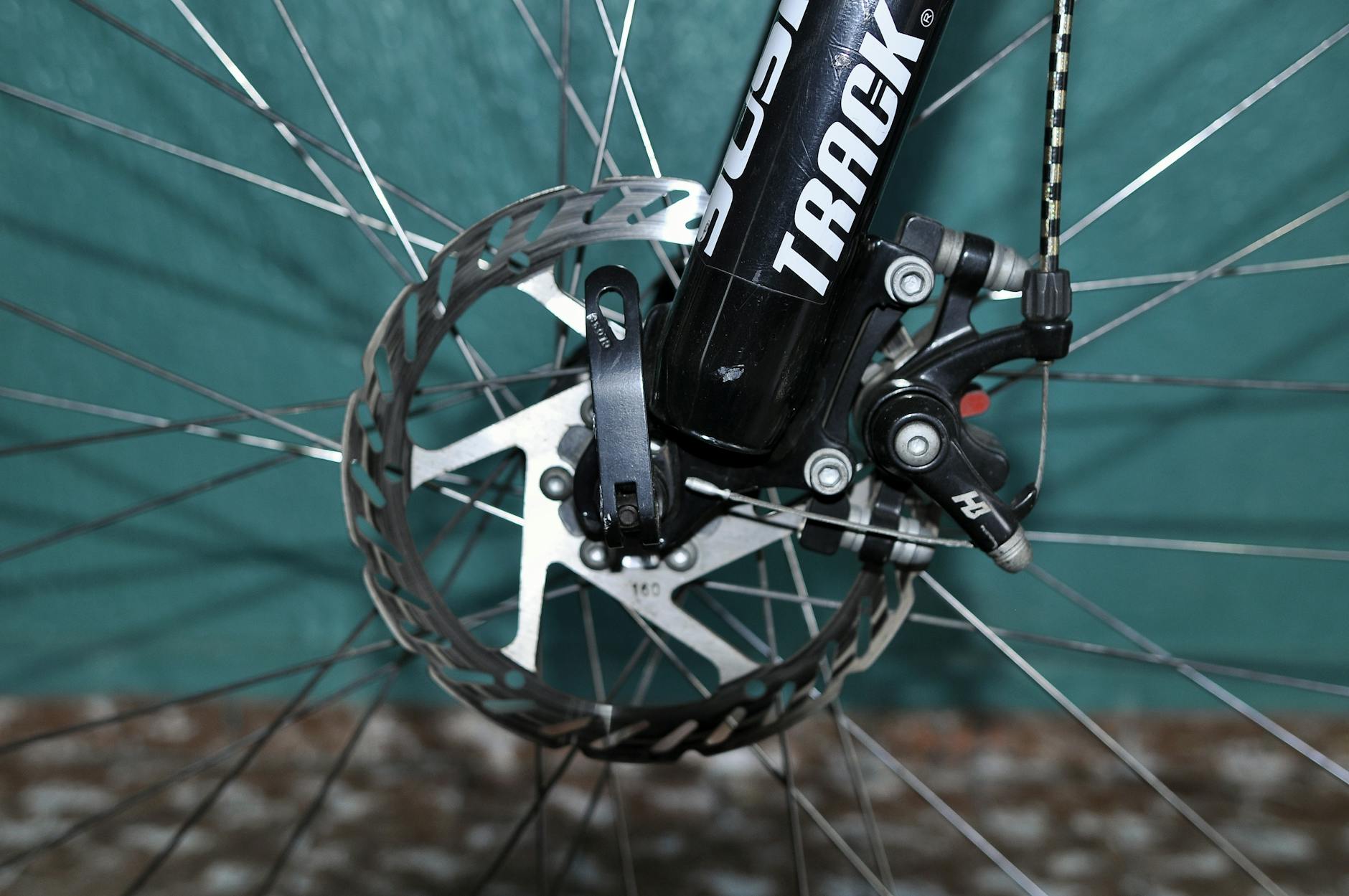
How to Inspect Your Brake Cables Properly
A proper brake cable inspection takes less than five minutes and requires no tools beyond a flashlight and your eyes. Start by checking the brake lever—squeeze it fully and release it repeatedly to feel if the lever travels smoothly or if there’s any mushiness that suggests cable stretch. Next, visually inspect the cable from the lever to the brake caliper, looking for any separation of the outer housing from the cable nipple, kinks, or frayed strands poking out. Pay special attention to the sections near the frame, where the cable can rub against edges.
The comparison between cable inspection and tire pressure checks is useful: just as under-inflated tires gradually reduce performance, degraded brake cables reduce braking power incrementally. You won’t notice the problem in one ride, but over weeks or months, you’ll feel the brake lever traveling farther before the brake engages. This is your signal to replace the cable immediately, not a sign of a hidden defect. If you ride in wet conditions, plan on inspecting cables monthly rather than quarterly. If you ride primarily in dry conditions, a quarterly check is sufficient for most riders.
The Trek Recall and What It Reveals About Real Brake Problems
In November 2025, Trek issued a recall affecting 68,000 US bicycles and 6,820 Canadian units due to coaster brakes that were inadequately lubricated and could fail to engage during braking. This is a documented, specific manufacturing issue traced to a particular brake type on specific models. The recall shows how real brake problems are identified: through reported failures, investigation by the CPSC, and a focused solution targeting affected serial number ranges. The 33% cable fraying claim, by contrast, has no recalled models, no identified batch, and no manufacturer acknowledgment.
The limitation of relying on warnings like the one in this article’s title is that they often circulate without originating from any official source. If a brake cable defect affected one-third of all bicycles in use, it would trigger CPSC involvement, manufacturer recalls, and news coverage from cycling publications. None of these have occurred. While the Trek recall proves that brake system problems do occasionally emerge, it also demonstrates how real issues are documented and addressed—publicly, specifically, and with clear remediation steps.

When Cable Replacement Becomes Urgent
Replace your brake cables immediately if you notice any of these specific conditions: the brake lever pulls more than three-quarters of the way to the handlebar before the brake engages, you see visible fraying or rust, the cable housing separates from the nipple at either end, or the cable makes a creaking sound when you brake. These are not subtle, invisible problems—they’re obvious signs of cable deterioration. You don’t need to wait for a scheduled replacement interval if you observe any of these conditions; urgent replacement is justified.
The tradeoff between proactive replacement and reactive repair is straightforward: replacing a cable on your schedule costs $15-40 in parts and takes 30 minutes to an hour at a bike shop. Ignoring cable condition until it fails can leave you with inadequate braking on a ride, forcing an emergency repair or a ride home at walking speed. For bike commuters and riders who depend on consistent brake performance, proactive replacement every 2-3 years is worth the minor cost.
Looking Forward: Brake Cable Reliability and Maintenance Culture
Brake cables are passive components that require no electronic monitoring and no special tools to maintain. This simplicity is both a strength and a weakness—it’s easy to overlook what’s working reliably until it fails. The cycling industry has moved toward hydraulic disc brakes on many modern bikes specifically because they offer more consistent performance and require less frequent cable adjustment.
However, cable-operated brakes remain standard on entry-level bikes, gravel bikes, and many commuter models, meaning cable maintenance remains essential for millions of riders. The real issue driving warnings like the one in this article’s title is likely not a hidden epidemic but a maintenance gap. Many cyclists lack the knowledge or routine to inspect their brake cables regularly. Addressing this requires education and habit-building—monthly inspections during bike checks and proactive replacement on a 2-3 year cycle—not speculation about invisible defects affecting one-third of all bicycles.
Conclusion
The specific claim that 33% of bicycle brake cables are currently fraying invisibly is not supported by industry data, safety organizations, or manufacturer reports. What is real and documented is that brake cables deteriorate over time and require routine inspection and replacement as part of normal bike maintenance. Brake cable problems are visible when you know what to look for: frayed strands, corrosion, separation of housing from the nipple, and reduced braking power at the lever.
Start with a five-minute monthly inspection of your brake cables, replace them every 2-3 years if you ride regularly, and replace them immediately if you notice any of the visible signs of deterioration. This practical approach protects your braking performance without requiring you to panic about unsubstantiated warnings. If you ride in wet or coastal conditions, inspect monthly; if you ride primarily in dry conditions, quarterly inspections are sufficient. Your brake safety depends on consistent maintenance, not on detecting invisible problems.


