Yes, the numbers are worse than you think. Approximately 2.4 million adult bicycles are stolen annually in the United States according to cycling research organizations, with some estimates placing the figure closer to 2 million when accounting for different tracking methodologies. But here’s what makes it truly alarming: that $1.4 billion in annual losses represents only the bikes whose owners bothered to report the theft to police—and 80% of theft victims never do. A cyclist in Portland parks their $900 gravel bike for two hours on a Sunday morning. They lock it to a public rack with what they think is adequate security. By the time they return, it’s gone.
They file a police report out of frustration, knowing the odds of recovery are less than 5%, then move on. Multiply that experience by millions of cyclists every year across the country. The gap between the actual theft crisis and the statistics we cite is enormous. The real number of bikes stolen is significantly higher than reported figures suggest, which means the actual economic damage and human impact are worse than any single statistic can capture. Bike Index reported a 15% increase in registered thefts in 2024, and early 2026 data from major cities shows another 8–12% year-over-year climb. This is not a stable problem—it’s accelerating, and cyclists need to understand the true scope before they can protect themselves.
Table of Contents
- Why Are 2 Million Bikes Stolen Every Year in America?
- The $1.4 Billion Price Tag Nobody Talks About
- Where Your Bike Is Vulnerable: The Residential Theft Crisis
- Why Reported Thefts Tell Only Half the Story
- The 2026 Surge: Theft Rates Are Climbing Faster Than Ever
- Who’s Most at Risk: The Equity Problem in Bike Theft
- Protecting Your Bike in a Rising Theft Environment
- Conclusion
Why Are 2 Million Bikes Stolen Every Year in America?
The scale of bicycle theft in the United States reflects a perfect storm of opportunity, relatively low consequences, and high demand for used bikes in secondary markets. At 709.6 stolen bicycles per 100,000 people annually, the theft rate suggests this isn’t a problem confined to a few major cities—it’s systemic. A bike is easier to steal than a car because it requires minimal tools and no digital sophistication. A simple angle grinder can cut through most locks in under two minutes. Thieves know this.
They also know that the cycling community spans income levels, that used bike components have resale value, and that law enforcement rarely prioritizes property crimes involving bicycles. The accessibility of targets matters enormously. Unlike cars, which are tracked with VINs and registration systems, most bikes have no permanent identifying information. Some owners take photos, but most don’t register their bikes anywhere. This means a stolen bike can be stripped, repainted, and resold with virtually no way to trace it back to the original owner. The technical ease of the crime combined with the low probability of consequences creates an environment where bike theft thrives.
The $1.4 Billion Price Tag Nobody Talks About
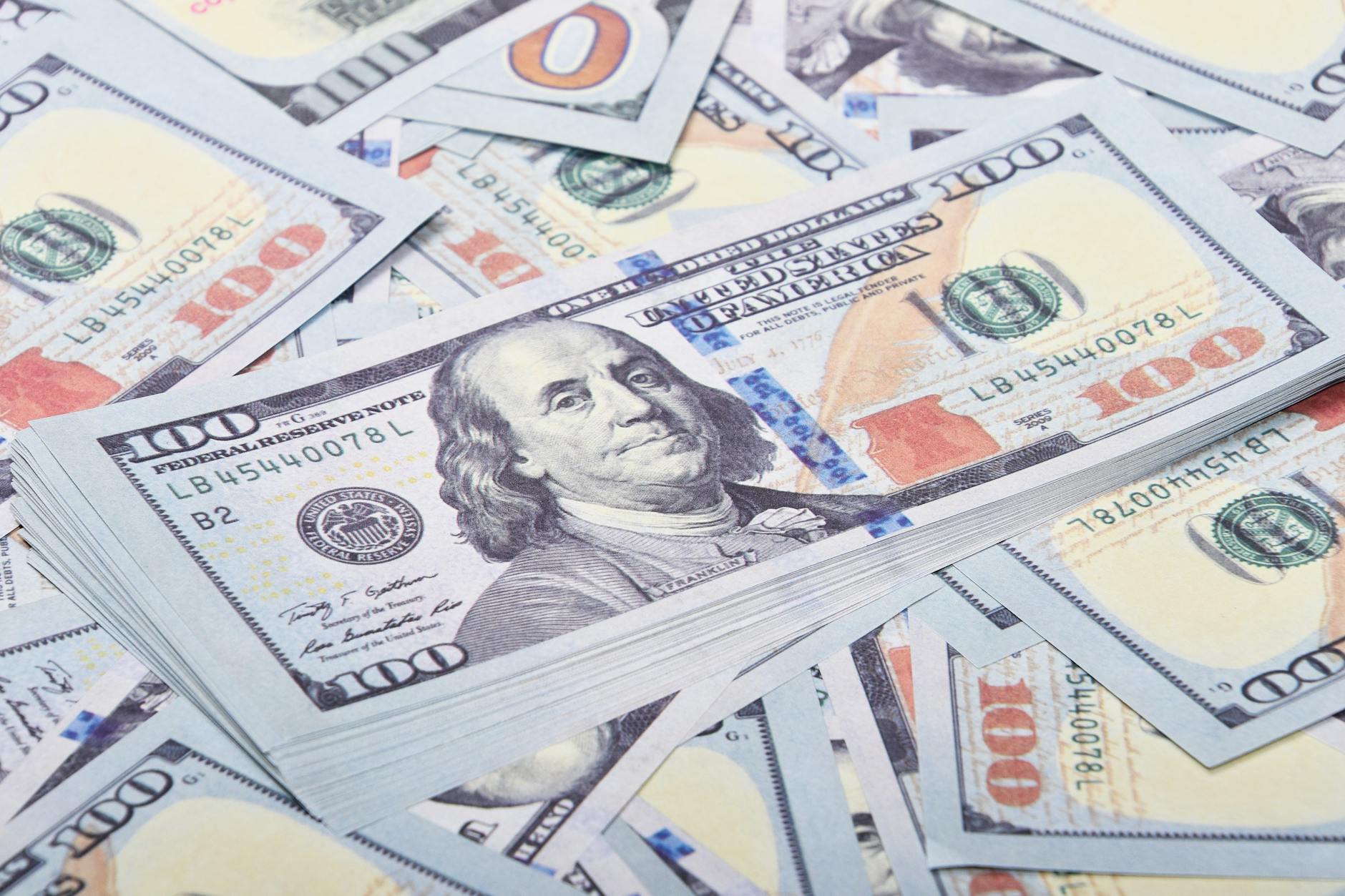
The $1.4 billion annual value of stolen bikes in the United States represents an enormous hidden economic cost that most people never see in aggregate. When averaged across reported thefts, that’s $833 per bike—a significant loss for any cyclist, but especially for those who depend on their bikes for transportation. However, this figure tells an incomplete story, because it only accounts for bikes reported to police. If 80% of theft victims don’t report their thefts, the actual economic damage is likely between $7 and $8 billion annually. Consider the cascading impact: a commuter loses their bike and must buy a replacement, taking on unexpected expense.
An urban family that shares one cargo bike for errands finds their transportation model broken. Delivery workers and gig economy cyclists operating on thin margins face genuine hardship. The equity dimension makes this worse. People with lower incomes and those identifying as Black, African American, Asian, or Asian American experience disproportionately higher theft rates according to research from Findings Press. For these communities, the loss of a bike isn’t just about replacing an object—it’s about disrupted work, limited transportation options, and compounded economic stress.
Where Your Bike Is Vulnerable: The Residential Theft Crisis
Fifty-nine percent of bike thefts occur in residential areas, not downtown bike racks or commercial districts. That’s the critical number that changes how you should think about bike security. Of those residential thefts, 44% happen from yards, balconies, and porches—places where people believe their bikes are safe because they’re on private property. Another 14% are stolen from garages and 13% from outdoor racks at homes. Your backyard is not a secure location. Neither is your garage if you don’t have solid locking practices. A homeowner in Austin locks her bike to a porch railing with a cable lock on Thursday evening.
By Friday morning, it’s gone. she assumed a residential area would be safer than downtown. She was wrong. Thieves work residential neighborhoods precisely because homeowners underestimate the risk, and because they can operate with less scrutiny. A car pulling up to a home and spending time at the garage draws attention. A person with a cordless angle grinder spending ninety seconds on a residential street often goes completely unnoticed. The problem has only intensified in 2026, with the 8–12% year-over-year increase in major cities like Portland, Seattle, Denver, and Austin driven partly by thieves specifically targeting residential areas where security is perceived as weaker.

Why Reported Thefts Tell Only Half the Story
The police reporting gap fundamentally distorts our understanding of bike theft. When 80% of victims don’t report to police, the “official” theft numbers become a tiny fraction of reality. A theft that doesn’t get reported doesn’t show up in crime statistics, doesn’t trigger police investigations, and doesn’t influence public safety priorities. Police departments allocate resources based on reported crime. Bikes aren’t getting resources. Meanwhile, the actual theft epidemic continues unchecked, invisible in official data.
Recovery rates compound this problem. The national clearance rate for bike theft is approximately 4%, and only 5–10% of stolen bikes are recovered worldwide under any circumstances. That means if you file a police report and your bike is stolen, the statistical probability of seeing it again is minimal. When victims understand these odds, reporting feels pointless. Why take the time to file a report if the police won’t investigate and you’re almost certainly not getting your bike back? This rational calculation by millions of victims creates a feedback loop where the problem becomes increasingly invisible. The gap between actual theft and reported theft means that cyclists, police departments, and policymakers all operate with data that understates the true crisis by a factor of five or more.
The 2026 Surge: Theft Rates Are Climbing Faster Than Ever
The most recent data should concern every cyclist. Bike Index reported a 15% increase in registered stolen bikes in 2024, but that was just the beginning. From late 2025 into early 2026, data from major US cities shows theft reports climbing 8–12% year-over-year in Portland, Seattle, Denver, and Austin. That’s not a statistical quirk or seasonal variation. That’s a clear upward trend. If this momentum continues, 2026 could see theft rates exceed previous decades despite awareness campaigns and improved lock technology.
Why is theft accelerating despite everyone knowing about it? Several factors converge. Urban cycling has grown, creating more targets. Used bike prices have declined enough to reduce theft barriers while component values remain high. Thieves have moved into suburban and residential areas as theft markets matured in downtown cores. Social media and online marketplaces have made it easier to sell stolen components or complete bikes with minimal friction. The practical reality is that bike theft prevention hasn’t kept pace with how theft has evolved. Most cyclists still use the same locking strategies their parents used, while thieves have become increasingly sophisticated and mobile.
Who’s Most at Risk: The Equity Problem in Bike Theft
Bicycle theft is not a problem that affects all communities equally. Research from Findings Press documents that people with lower incomes and those identifying as Black, African American, Asian, or Asian American experience disproportionately higher bicycle theft rates. This equity dimension transforms bike theft from a property crime into a justice issue. A family with limited resources that depends on a bike for transportation doesn’t have the option to buy a second replacement bike. They don’t have the income to absorb a $500+ loss without consequences.
This disparity reflects broader patterns. Wealthier cyclists can afford high-end locks, can park in secure locations, can store bikes indoors, and can absorb a loss if theft occurs. Lower-income cyclists often lock their bikes to whatever is available in their neighborhood—vulnerable racks, inadequate locks, exposed to the street. When their bikes are stolen, they’re left without transportation and without recourse. The problem is compounded by the fact that these same communities often experience higher general crime rates and receive fewer police resources, so their theft reports are even less likely to result in investigation or recovery.
Protecting Your Bike in a Rising Theft Environment
Understanding the scope of bike theft is the first step toward protecting yourself. The data makes clear that your assumptions about where bikes are safe are likely wrong. Your residential neighborhood is not safe. Your garage is not safe unless your lock is serious. Your backyard rack is definitely not safe. Thieves are mobile, equipped, and operating in areas people believe are secure.
If you own a bike worth protecting, you need security that exceeds what the thief expects and is willing to defeat. The 2026 surge in thefts means this is not a problem you can ignore or defer. Every cyclist should operate from the assumption that their bike is at risk, that recovery is unlikely if stolen, and that prevention through serious locking practices is the only reliable strategy. This isn’t fear-mongering—it’s pattern recognition from data. The thieves are adapting. The question is whether cyclists will adapt faster.
Conclusion
Two million bikes stolen annually. Eighty percent of victims silent. Eight to twelve percent increases year-over-year. Four percent recovery rate. These numbers tell a story of a crisis that is systematically underestimated and accelerating. The statistics you’ve heard about bike theft are dramatically understated because they’re built on reported thefts that represent only a fraction of the actual problem.
The true economic impact, the true prevalence, and the true cost to communities are all significantly worse than the figures suggest. The path forward requires cyclists to recognize that the threat is real, widespread, and growing. It requires upgrading security practices from assumptions about safety to evidence-based strategies. It requires communities and policymakers to acknowledge that bike theft deserves resources and attention commensurate with its scale. Until that happens, cyclists operating in 2026 need to assume their bikes are targets and protect accordingly. The numbers show that complacency is no longer viable.


