The best cycling workouts for building leg muscle combine high resistance, interval training, and sustained effort across specific muscle groups. The quadriceps, hamstrings, glutes, and calves respond most effectively to hill climbs, sprint intervals, and low-cadence, high-resistance pedaling—workouts that force your muscles to produce maximum force rather than just spin the pedals. For example, a cyclist doing 8-12 minute hill repeats at 90-100 RPM with moderate-to-high resistance will build significantly more leg muscle than someone riding 90 minutes at steady state on flat terrain.
The key distinction is that building muscle through cycling requires breaking away from the typical endurance riding that dominates the sport. While long, steady rides develop aerobic fitness and muscular endurance, they don’t create the mechanical tension and metabolic stress that drives hypertrophy. To grow muscle, you need resistance training principles applied to cycling—heavier loads on the pedals, shorter recovery periods between efforts, and a focus on power output rather than distance.
Table of Contents
- How Do Cycling-Specific Workouts Build Leg Muscle?
- Low-Cadence, High-Resistance Training for Maximum Muscle Engagement
- Hill Repeats and Climbing for Leg Muscle Development
- Sprint Intervals and Power Development for Muscle Hypertrophy
- Balancing Muscle Building With Cycling Performance and Injury Prevention
- Nutrition and Recovery for Cycling Muscle Growth
- Periodization and Long-Term Muscle Development in Cycling
- Conclusion
- Frequently Asked Questions
How Do Cycling-Specific Workouts Build Leg Muscle?
Muscle growth happens through three mechanisms: mechanical tension (force against resistance), muscle damage (microtears that repair and grow back stronger), and metabolic stress (the “pump” from accumulated metabolites). cycling workouts that build legs do this by increasing the load on the pedals and recruiting more muscle fibers simultaneously. When you climb a steep hill or do a sprint, you’re recruiting your entire lower body—quads, glutes, hamstrings, and even stabilizer muscles work together under heavy load.
The resistance on the pedals acts like weight in the gym. A 10-minute climb at 50 RPM with maximum effort creates far more tension in your muscles than 30 minutes of flat spinning at 100 RPM. This is why professional cyclists and track cyclists (who sprint for 10-15 seconds at a time) have visibly larger leg muscles than ultra-endurance cyclists riding 200+ miles per week. The muscle fiber type also matters—power and resistance work recruits type II muscle fibers, which have greater growth potential than the type I fibers that dominate steady-state riding.
Low-Cadence, High-Resistance Training for Maximum Muscle Engagement
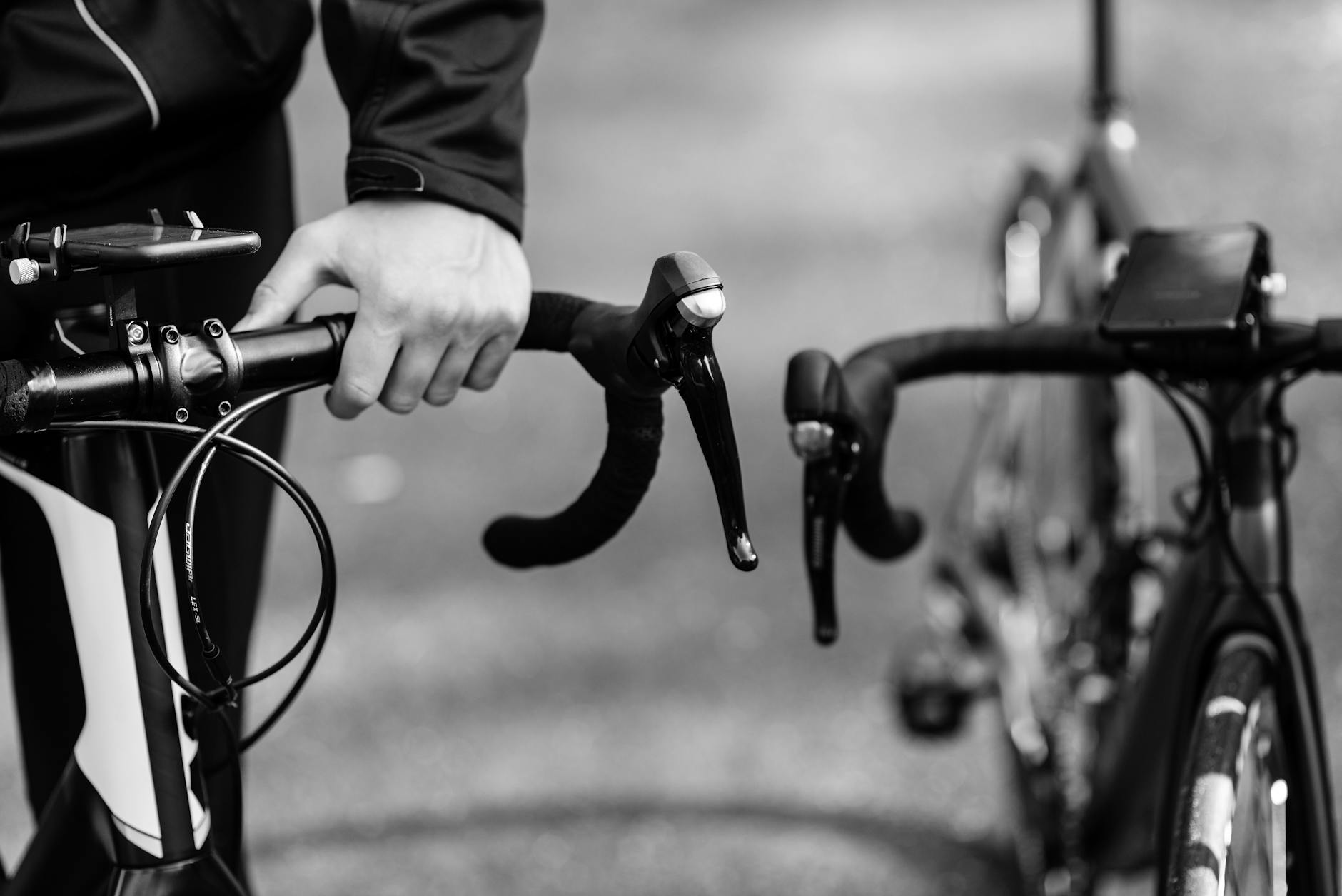
low-cadence work, typically 50-70 RPM against significant resistance, is one of the most effective muscle-building strategies on a bike. Instead of spinning light resistance at 90-100 RPM, you shift to a harder gear and pedal slower, forcing each pedal stroke to produce more force. A practical example: riding up a 6-8% grade at 60 RPM in a gear that taxes your quads and glutes demands more from your muscles than the same hill climbed at 90 RPM in an easier gear. However, there’s a limitation to this approach.
Sustained low-cadence work (more than 20-30 minutes) increases joint stress, particularly on the knees and hips. This is why low-cadence intervals work better than low-cadence steady-state efforts. A typical session might include 5-6 minute blocks at low cadence separated by recovery periods, rather than 45 minutes straight. Additionally, form matters more at low cadence—poor pedaling mechanics (bouncing in the saddle, lateral knee movement) become more pronounced, increasing injury risk.
Hill Repeats and Climbing for Leg Muscle Development
Hill repeats are among the most effective cycling workouts for building leg muscle because they combine resistance, a defined endpoint, and recovery intervals. A typical session might be 4-8 repeats of a 4-8 minute climb at hard effort, with 3-4 minute easy spinning recoveries. Each repeat forces your quads, glutes, and hamstrings to produce sustained power, recruiting the muscle fibers needed for hypertrophy. The gradient matters—a 5-8% grade is ideal for muscle building (steeper climbs tend to emphasize single-leg power and glute activation, while shallower climbs allow higher speeds that shift emphasis away from pure strength).
Climbing also offers a real-world advantage: it’s specific to actual riding conditions. Unlike a stationary bike where you can control every variable, outdoor hills force you to manage momentum, pacing, and mental fatigue simultaneously. A cyclist who excels at hill repeats will see carryover to general climbing ability, time trial performance, and overall leg strength. The comparison: a flat-land cyclist doing 10 x 2-minute sprints at 400W will develop more leg muscle than a climber doing steady climbs, but the climber will develop more useful, durable climbing power.
Sprint Intervals and Power Development for Muscle Hypertrophy
Sprinting—maximum-effort pedaling for 10-30 seconds—is a direct muscle-building tool because it maximizes muscle fiber recruitment and glycolytic stress. Short, hard sprints with full recovery (3-5 minutes easy spinning between efforts) allow you to produce maximum power in each repetition. A session might include 6-8 x 20-second all-out sprints, where you accelerate from 20 mph to 35+ mph in a hard gear. This intense recruitment of type II fibers and the metabolic byproducts created during the effort trigger muscle growth. The practical tradeoff is sustainability and adaptation.
Short-term, sprint intervals are more tolerable and produce faster results than long, grinding climbs. However, they’re more demanding on the nervous system and require longer recovery. A cyclist doing intense sprints 3 times per week would likely overtrain, while doing sprints twice per week with 48+ hour recovery works. Additionally, on-road sprinting carries injury risk from sudden power production—your knees, hips, and lower back are vulnerable if your form breaks down or if you’re fatigued. This is why many cyclists do sprint work on stationary bikes or in controlled conditions (like a track) where safety is higher.
Balancing Muscle Building With Cycling Performance and Injury Prevention
A significant limitation of pure muscle-building work is that it doesn’t directly improve aerobic fitness or endurance—the foundation of most cycling disciplines. A cyclist who does only low-cadence, hill, and sprint work will develop leg muscle but may see their 20-minute power increase while their FTP (functional threshold power) stagnates. The most balanced approach combines muscle-building work (1-2 sessions per week) with threshold efforts and longer rides that develop aerobic capacity. Injury risk increases with aggressive muscle-building work, particularly if a cyclist jumps into it without preparation.
Tendons, ligaments, and joint structures adapt more slowly than muscle. A common mistake is doing too much low-cadence work too soon, which often results in patellar (knee) pain or Achilles tendon irritation. The recommendation is to gradually introduce muscle-building workouts, starting with lighter resistance than you think you need, and monitoring knee and hip comfort. If pain appears during or within 24 hours after a workout, reduce the intensity or take an extra rest day.
Nutrition and Recovery for Cycling Muscle Growth
Building muscle through cycling requires adequate protein intake and sufficient recovery time. While cycling isn’t as protein-demanding as strength training, aiming for 1.2-1.6 grams of protein per kilogram of body weight daily supports muscle repair. A 70 kg cyclist should target 84-112 grams of protein per day, spread across multiple meals. Timing isn’t as critical as total daily intake, but consuming protein within a few hours after intense workouts (a simple example: chicken breast and rice, or a protein shake with fruit) provides amino acids when your muscles are primed for growth.
Sleep and rest days are equally important. Muscle growth happens during recovery, not during the workout. A cyclist doing muscle-building workouts should take at least one full rest day per week and prioritize 7-9 hours of sleep nightly. If you’re doing heavy leg work twice per week, place these sessions at least 3 days apart to allow adequate recovery between efforts. Overtraining symptoms—persistent fatigue, elevated resting heart rate, motivation loss—are signs that you need more recovery, not more volume.
Periodization and Long-Term Muscle Development in Cycling
Building leg muscle is a long-term adaptation that requires consistent effort over weeks and months, not days. A periodized approach—focusing on muscle-building work for 4-8 week blocks, then transitioning to power and endurance phases—produces better results than year-round low-cadence grinding. During a hypertrophy block, emphasize hill repeats, sprints, and low-cadence intervals at the expense of long, easy rides. After 6-8 weeks, shift focus to threshold work and longer efforts that consolidate your new muscle mass into functional power.
The cycling landscape is shifting toward strength-based training, with many professional teams and serious amateurs now incorporating off-bike strength work (squats, deadlifts, lunges) alongside cycling workouts. This hybrid approach builds muscle more efficiently than cycling alone. However, the best cycling workouts for leg muscle will always be those that fit your specific discipline—a sprinter’s muscle-building needs (explosive power, type II fiber recruitment) differ from a climber’s (sustained, grinding power), which differ from a time trialist’s (consistent, repeatable power). Your leg muscle development should target the demands of your cycling goals.
Conclusion
Building leg muscle through cycling requires moving beyond steady-state endurance riding toward higher-resistance, higher-intensity workouts. Hill repeats, sprint intervals, and low-cadence, high-resistance efforts all drive muscle growth by creating mechanical tension and metabolic stress. The most effective approach combines these workouts (1-2 sessions per week) with adequate nutrition, recovery, and attention to injury prevention.
Start by adding one muscle-building workout per week—perhaps a hill repeat session or a sprint session—and monitor how your legs respond. As you adapt, gradually increase intensity and volume while maintaining at least one full rest day per week. Remember that building muscle is a slower process than building fitness; visible leg strength gains typically appear over 4-6 weeks, with peak muscle development taking 8-12 weeks of consistent effort. The payoff is increased power, better climbing ability, and the muscular foundation that supports peak cycling performance.
Frequently Asked Questions
How many times per week should I do muscle-building cycling workouts?
1-2 times per week is ideal for most cyclists. Doing muscle-building work more frequently risks overtraining and increases injury risk without producing proportionally better results. Space sessions at least 3 days apart to allow adequate recovery.
What cadence is best for building leg muscle on a bike?
50-70 RPM against significant resistance is most effective for muscle building. This range forces each pedal stroke to produce maximum force, recruiting the muscle fibers responsible for growth. However, avoid sustaining this cadence for more than 20-30 minutes at a time.
Will cycling build as much leg muscle as weightlifting?
No. Cycling can build moderate leg muscle, particularly in the quads and glutes, but it won’t produce the same muscle growth as dedicated strength training. Combining cycling with 1-2 strength sessions per week (squats, deadlifts, lunges) produces faster and more substantial muscle development than cycling alone.
How much protein do I need to build leg muscle as a cyclist?
Aim for 1.2-1.6 grams of protein per kilogram of body weight daily. This supports muscle repair without requiring the extreme amounts needed by bodybuilders or strength athletes. Distribute protein across multiple meals throughout the day.
Can I build leg muscle while maintaining my current cycling fitness level?
Yes, but it requires balance. Adding 1 muscle-building session per week while maintaining your other training (threshold, endurance, tempo work) allows both adaptations. However, you can’t simultaneously optimize for muscle growth and for pure aerobic fitness—these require different training stimuli.
What’s the fastest way to build visible leg muscle as a cyclist?
Combining on-bike muscle-building work (hill repeats, sprints, low-cadence efforts) with off-bike strength training (squats, leg press, calf raises) produces the fastest visible results. Most cyclists see noticeable changes within 6-8 weeks with this combined approach, while cycling alone takes 10-12 weeks.


