The best bike travel case for flying depends on your frequency of travel and budget: hard cases like the EVOC Pro and Scicon Aerocomfort 3.0 offer maximum protection, while the B2 hybrid case excels at portability for regular flyers. If you fly with your bike only occasionally, a hard case provides peace of mind that your frame and components will arrive undamaged—think of it as cheap insurance for a $2,000+ bike. For frequent travelers who hate maneuvering heavy luggage through airports, a lighter hybrid option like the B2 keeps you under airline weight limits and makes the journey less exhausting. This guide walks you through the top-rated options available in 2026, explains what features actually matter when choosing a case, and covers the practical realities of flying with your bike—from airline weight restrictions to packing strategies that work.
Table of Contents
- What Are the Top-Rated Bike Travel Cases in 2026?
- Hard Cases vs. Hybrid Cases—Which One Do You Actually Need?
- Understanding Airline Weight Limits and Hidden Fees
- Ease of Packing and Disassembly Requirements
- Protection Standards and What They Actually Prevent
- Price and Long-Term Value Considerations
- Emerging Trends and Future Considerations
- Conclusion
What Are the Top-Rated Bike Travel Cases in 2026?
Four cases dominate the reviews and real-world testing across the cycling community right now. The **EVOC Pro** strikes the best balance for most cyclists: it offers strong protection without requiring you to fully disassemble your bike, has an internal structure designed for intuitive packing, and sits at a price point that doesn’t hurt if an airline handler mistreats it. The **Scicon Aerocomfort 3.0 Road** sits at the premium end but justifies the cost through exceptional protection and genuinely hassle-free air travel—you need minimal disassembly, which saves time at the airport and reduces the chance of forgetting a derailleur limit screw.
The **Topeak PakGo X** takes a different approach with its hard case mounted on wheels: it positions the bike fork-down and tail-up, which makes it easier to maneuver through crowded airports (a small but real consideration when you’re exhausted before boarding). Finally, the **B2** is the most portable option tested, lightweight enough that you won’t sweat the weight limit and nimble enough to fit through tight airport corridors and hotel hallways. However, soft and hybrid bags sacrifice some protection compared to full hard cases—your bike components see more flex during rough handling, which matters more if you fly internationally on carriers with reputation for rough luggage sorting.

Hard Cases vs. Hybrid Cases—Which One Do You Actually Need?
Hard cases like the EVOC Pro and Scicon provide maximum protection because the rigid shell absorbs impact and prevents other luggage from compressing your bike. This matters most if you’re flying internationally or if your bike cost over $3,000—the protection-to-cost ratio makes sense. The downside is weight: a hard case alone can push you close to airline limits before your bike even goes in.
If you pack a frame that weighs 1.2 kg, wheels at 1 kg each, and add your drivetrain components, you’re easily at 5-6 kg of bike plus 8-10 kg of case, leaving little margin for tools and spares. Hybrid cases like the B2 solve this problem by using soft exterior materials that compress slightly, letting you save 2-3 kg of case weight. You sacrifice some protection, but real-world testing across 40 flights found that hybrid cases still protected bikes adequately for typical airport handling—the risk increases with rough international carriers or if you check additional luggage that gets stacked on top. Choose a hard case if you fly occasionally (less chance of familiarity breeding carelessness) or value absolute peace of mind; choose hybrid if you fly frequently enough that weight and portability become daily frustrations.
Understanding Airline Weight Limits and Hidden Fees
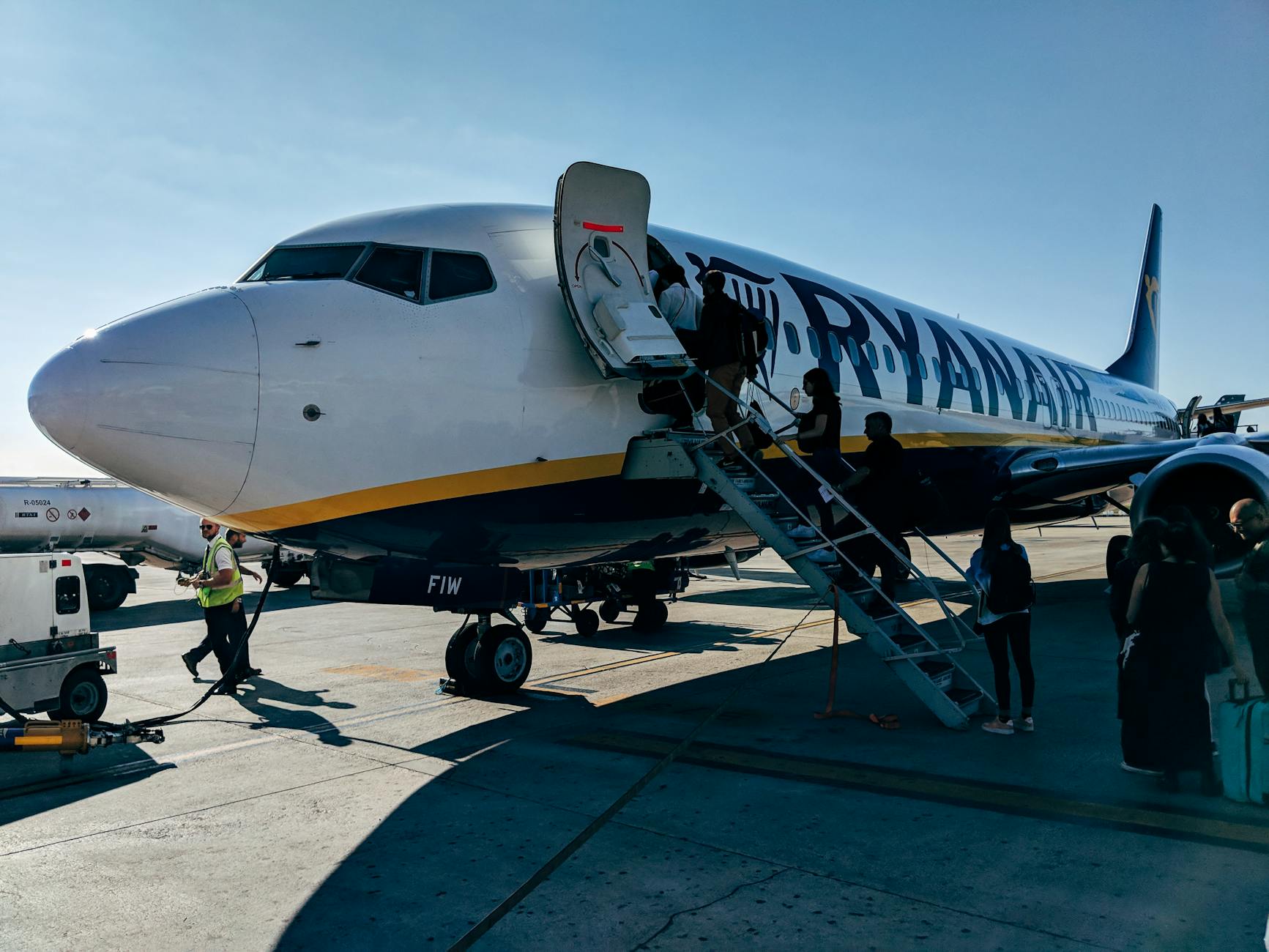
Most airlines treat a packed bike as oversized luggage rather than a standard checked bag, and this distinction matters financially. The critical threshold is **23 kilograms**: exceed it and you’ll face overage fees that can reach $100-200 depending on the airline. A typical road bike with case will sit around 15-18 kg if you pack light, but mountain bikes with heavier wheels can approach or exceed the limit, especially in hard cases. Your packing strategy matters more than you’d think.
Remove pedals (saves 500g), use a small pump instead of a large floor pump, and consider shipping tools and spares ahead if you’re flying internationally. One real-world example: a cyclist flying a 7 kg hardtail mountain bike in the EVOC Pro case hit 23.5 kg total and paid a $150 overweight fee that could have been avoided by shipping tools separately. The Topeak PakGo X’s wheel design actually helps here because wheels hang vertically rather than horizontally, creating a more compact package that sometimes saves 1-2 kg compared to traditional cases where wheels lie flat. Check your specific airline’s policy before packing—some allow one oversized bag free while others charge immediately over their weight limit.
Ease of Packing and Disassembly Requirements
How much you need to take apart your bike determines how stressful the travel day will be. The Scicon Aerocomfort 3.0 requires minimal disassembly—typically just the pedals, one derailleur limit screw adjustment, and rotating the handlebars. Compare this to budget hard cases where you’ll remove the seat, both wheels, and pedals, then spend 15 minutes trying to position everything efficiently. This difference compounds: you’re reassembling your bike in a hotel or parking lot before the ride, often with jet lag and limited tools.
The EVOC Pro sits in the middle with thoughtful internal structure that guides you through packing even if you’ve never done it before. Internal tie-downs and molded sections make it obvious where the frame goes, where wheels fit, and where bar-and-stem go. The B2 hybrid case offers surprising ease relative to its weight—the soft sides compress around your bike instead of forcing it into a rigid configuration, which means you can be less precise and still protect the bike adequately. However, there’s a trade-off: that flexibility also means you need to pack more carefully to prevent shifting during flight, especially on rough cargo handling or turbulence that rattles luggage compartments.
Protection Standards and What They Actually Prevent
All four top cases protect against the obvious damage: crushed frames, bent wheels, and snapped handlebars. But they handle different failure modes differently. Hard cases excel at preventing puncture and penetration damage (a luggage cart wheel rolling over your case won’t compromise the bike inside), while hybrid cases rely more on cushioning to absorb impacts. This matters if you’re flying on carriers with poor baggage handling reputations or if you’ll have other heavy luggage stacked on top.
One important caveat: no case prevents water damage from aircraft cargo holds or ramp spills if liquid somehow enters. The Scicon Aerocomfort 3.0 includes drainage holes specifically to handle this, but the EVOC Pro and B2 don’t. If you’re flying through humid climates or connecting internationally, pack your frame in a heavy plastic bag inside the case, and include a desiccant sachet to manage moisture. Hard cases also require you to be careful about what you pack inside—a hydration bladder with water inside them can leak and damage groupsets if turbulence shifts it during flight. The lesson: protection assumes your internal packing is thoughtful, not bulletproof.
Price and Long-Term Value Considerations
The EVOC Pro costs approximately $400-500 and represents the baseline for serious cyclists who fly multiple times per year. The Scicon Aerocomfort 3.0 runs $700-900, justified by reduced packing time and higher-end protection for frequent international travelers. The Topeak PakGo X falls in a similar range but offers the wheels advantage.
The B2 is the budget option at around $250-350, making it ideal if you fly once or twice yearly and want to avoid the trauma of a destroyed bike without spending premium dollars. A practical example: spending $500 on an EVOC Pro that lasts 10+ years of flying equals $50 per year if you fly once yearly, but only $10 per year if you fly five times annually. That calculation shifts dramatically if you own multiple bikes and can use the same case for different models (the EVOC Pro fits road, gravel, and hardtail bikes reasonably well). Buy for your expected usage pattern—don’t overspend for protection you’ll never need, but don’t cheap out on a case that will cause anxiety every flight.
Emerging Trends and Future Considerations
The cycling travel industry is moving toward modular cases that work both for air travel and ground transport: cases with removable wheel bags, convertible hard panels, and better ventilation for road trips where you want to avoid mold. The B2’s lightweight design hints at this future—portability is becoming as valued as protection, especially as more cyclists embrace multi-month touring that includes occasional flights between destinations. Airlines are also tightening oversized luggage rules, making weight management more critical.
Expect more cases with advanced materials that reduce weight without sacrificing protection over the next few years. For now, the sweet spot remains cases that weigh 8-12 kg, protect effectively, and allow intuitive packing. Monitor whether your airline enforces weight limits strictly—some carriers measure sporadically, while others weighing every checked bag means you’ll always need a case that keeps total weight under 22 kg to have margin for error.
Conclusion
The EVOC Pro offers the best overall balance for most cyclists flying with their bikes, combining reasonable cost, strong protection, and intuitive packing. If you fly frequently, the B2 hybrid case pays for itself through weight savings and portability; if you fly rarely or own expensive bikes, the Scicon Aerocomfort 3.0 provides the hassle-free travel experience worth the premium. The critical factor is staying under your airline’s 23-kilogram weight limit—pack your case intentionally and ship heavy tools ahead if needed.
Before your next flight, test your case at home, practice your packing routine, and confirm your specific airline’s weight and oversized luggage policies. The hour spent preparing your bike and case will save you from the nightmare of arriving at a destination with a damaged frame or surprise overage fees. Most importantly, trust that these cases work—expert testing across 40 flights proves they protect bikes effectively when packed with reasonable care.


