The right bike helmet depends on your primary riding style: road cyclists benefit from lightweight helmets with excellent ventilation and a road-specific fit, while mountain bikers need more extensive coverage and visors to block sun and debris. Commuters should prioritize durability and visibility, trail riders need helmets with enhanced side and rear protection, and casual neighborhood cyclists can choose comfort and style as primary factors.
The key is matching the helmet’s design features to where you ride most, how fast you typically go, and what weather conditions you encounter. Beyond this fundamental principle, helmet selection also involves understanding safety certifications, proper fitting techniques, and maintenance practices that directly impact whether a helmet will actually protect you in a crash. This article covers the major riding styles, explains what each demands from a helmet, walks through the fitting process, and addresses common mistakes that leave riders under-protected despite wearing a helmet.
Table of Contents
- What Features Matter Most for Your Riding Style
- Understanding Certification Standards and Why They Matter
- The Fitting Process and Why It Can’t Be Rushed
- Matching Ventilation to Your Climate and Riding Intensity
- Common Fitting Mistakes and Age-Related Degradation
- Helmet Styles for Specific Niches
- The Evolving Landscape of Helmet Technology
- Conclusion
- Frequently Asked Questions
What Features Matter Most for Your Riding Style
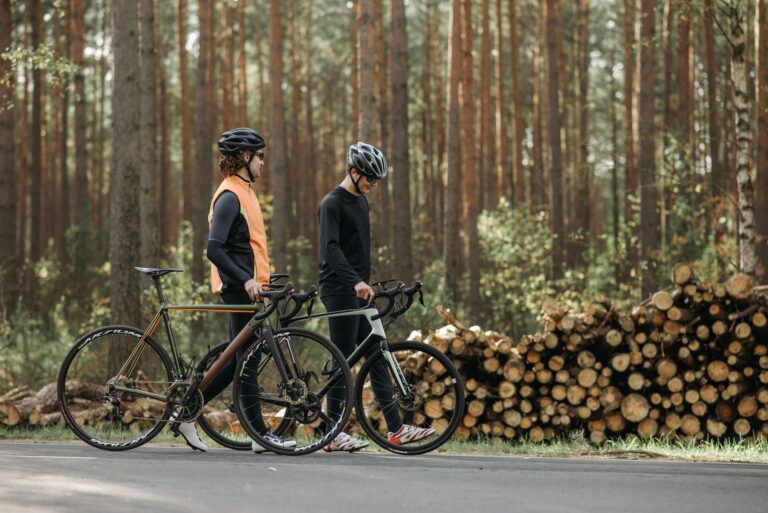
Road cycling helmets are built for speed and aerodynamics. They’re typically lighter (under 200 grams), have numerous vents for cooling at high speeds, and often feature a more aggressive, forward-sloping design. A road helmet won’t work well for mountain biking because it lacks the rear and lower-side coverage needed for trail crashes, where you’re more likely to hit rocks or trees on your sides and back of the head.
For example, a gravel grinder who occasionally rides technical singletrack while mostly sticking to packed dirt roads faces a real tradeoff: a road helmet excels on the gravel flats but leaves you vulnerable on the technical sections, while a trail helmet is overkill for the smooth portions and will be heavier and hotter. Mountain biking helmets provide extended coverage in the back and sides, often include a small visor to shield from sun and rain, and accommodate the chaotic nature of off-road crashes. However, this extra protection comes at the cost of weight and ventilation—trail helmets aren’t ideal for long climbs on hot days if you’re doing road-style sustained efforts. Commuter helmets split the difference, emphasizing durability over weight, often including rear lights or reflectors, and designed to withstand repeated minor impacts and vibrations from pavement.
Understanding Certification Standards and Why They Matter
bike helmets sold in the US must meet CPSC (Consumer Product Safety Commission) standards, which test impact absorption and retention. CPSC is the baseline, and while it ensures a helmet won’t fail catastrophically, it doesn’t differentiate between good and mediocre helmets—two helmets can both be CPSC-certified but offer different levels of protection. The Snell B90A standard is more rigorous, testing at higher speeds and multiple impact sites, though it’s less common and primarily found in high-end helmets.
Virginia Tech’s testing methodology, published independently, has become a de facto standard that many cyclists trust more than government labels because it tests real-world impact scenarios and publishes comparative data. If you’re buying a budget helmet, you’re fine with CPSC compliance. However, if you ride frequently or at high speeds, checking Virginia Tech’s helmet ratings gives you data on actual impact protection rather than just regulatory checkboxes. One limitation: Virginia Tech doesn’t test all helmets on the market, so the absence of a helmet from their database doesn’t mean it’s bad—just that you won’t have that independent data to reference.
The Fitting Process and Why It Can’t Be Rushed
A poorly fitting helmet is nearly useless in a crash. The helmet should sit level on your head, with the front edge no more than two finger-widths above your eyebrows, and the back should not tilt up or down when you move your head. The side straps should form a V under your ears, and once buckled, you should only be able to fit one finger between the strap and your chin. Many riders skip this step or adjust their helmets inaccurately, then assume the helmet is protective when it’s actually sitting too far back or too loose.
The best helmets in the world won’t protect you if they’re fitted incorrectly or come loose during a ride. This is why buying online can be risky—if the helmet doesn’t fit right out of the box, you need to return it and try a different size or brand. In-store purchases at a bike shop let you have staff fit the helmet properly before you leave. A specific example: a rider with a longer head might need an XL helmet from one brand but an L from another, because shell shape varies. Assuming size based on your hat size or head circumference alone will often result in a poor fit.

Matching Ventilation to Your Climate and Riding Intensity
Ventilation directly affects comfort and helmet lifespan. Road helmets with abundant vents (15+) keep you cool during high-speed descents and sustained climbing. Trail helmets have fewer vents because they’re designed for lower speeds and the visor helps block sun, though this trade-off means you’ll run hotter during intense efforts. Commuters riding at moderate speeds benefit from moderate ventilation (8-12 vents) that balances airflow with structural integrity.
However, more vents means less foam coverage, which can slightly reduce impact protection—the trade-off is real. A helmet with 20 vents will be cooler but slightly less protective than one with 8 vents, assuming identical foam thickness. If you ride in very hot climates, this tradeoff is worth it; if you ride in temperate areas, a moderate-ventilation helmet often makes more sense. Winter riders should consider helmets with fewer vents and possibly pair them with a helmet liner or beanie to maintain warmth without fogging issues.
Common Fitting Mistakes and Age-Related Degradation
Most riders either fit their helmets too loose or position them too far back on their heads. A loose helmet will shift during a crash, potentially sliding off or leaving parts of your head unprotected. A helmet positioned too far back fails to protect your forehead, which is involved in the majority of head injuries in cycling accidents. Checking your fit monthly—especially if you adjust the straps frequently—prevents this. Another common error: wearing a helmet with the visor tilted downward to shield the sun, which actually moves the helmet back and compromises protection.
Foam degrades over time due to UV exposure and sweat, even if you’ve never crashed. Most manufacturers recommend replacing your helmet every 5-7 years, though many riders ignore this. A helmet that’s 10 years old may absorb impacts less effectively, and you often can’t see this degradation—the foam looks fine but performs worse. If you’ve had a significant crash, replace the helmet immediately even if it looks undamaged, because the foam is compressed and its protective properties are compromised. Keep helmets out of direct sunlight when not in use and avoid storing them in hot cars or attics.
Helmet Styles for Specific Niches
Urban commuters should consider helmets with integrated lights, reflective elements, and a more conventional aesthetic that blends into city riding. These helmets won’t set you apart visually but improve visibility to motorists, which matters more for commuting than for trail riding.
Gravel riders often choose trail-style helmets with visors, since gravel typically involves slower speeds than road but rougher terrain than pavement. BMX and skate-style helmets are a separate category entirely, designed for tricks and falls from relatively low speeds. They’re not appropriate for road or trail cycling, as they lack the design features needed for high-speed impact protection and the certification standards differ.
The Evolving Landscape of Helmet Technology
Modern helmets increasingly incorporate MIPS (Multi-Directional Impact Protection System), which allows the inner foam liner to move slightly relative to the outer shell, mimicking the brain’s ability to absorb rotational forces. MIPS helmets are more expensive, but Virginia Tech’s research suggests they offer measurable improvement in rotational impact protection. If you ride frequently or at high speeds, MIPS is worth the extra $50-80.
For casual riders or kids, standard helmets meeting CPSC standards are sufficient, though MIPS offers additional peace of mind. Looking forward, helmet design will likely continue adding safety features—some companies are experimenting with materials that absorb impacts more effectively, and connectivity features (built-in lights, smart alerts) are becoming more common. The fundamental principle won’t change: find a helmet designed for your riding style, ensure proper fit, and replace it every 5-7 years or immediately after a crash.
Conclusion
Choosing the right helmet starts with identifying your primary riding style and selecting a helmet designed for that specific use. Road cyclists need lightweight, well-ventilated helmets; mountain bikers need extended coverage and visors; commuters need durability and visibility features. Once you’ve narrowed down to the right style, fit is non-negotiable—take time to adjust the straps and position correctly, and if the helmet doesn’t fit, return it and try another brand or size.
Your helmet is only protective if you wear it correctly and maintain it properly. Check your fit monthly, replace your helmet every 5-7 years or after any significant crash, and consider MIPS protection if you ride frequently or at high speeds. The most expensive helmet in the world won’t help you if it’s poorly fitted or degraded from age, so prioritize fit and maintenance as much as initial selection.
Frequently Asked Questions
Can I use the same helmet for road and trail riding?
Technically yes, but it’s a compromise. A trail helmet will be heavier and less well-ventilated for road riding; a road helmet won’t protect you adequately on technical trail descents. If you do both regularly, consider a hybrid or all-mountain helmet that balances the two, though neither discipline will be optimized.
How do I know if my helmet is still safe after a crash?
Replace it immediately if there’s any visible damage (cracks, dents, foam compression) or if you hit your head hard enough to see stars or lose consciousness. Even if the helmet looks fine, the foam is compressed and less effective. When in doubt, replace it.
Are expensive helmets significantly safer than budget options?
CPSC-certified helmets all meet the same minimum safety standard. More expensive helmets often have better ventilation, lighter weight, and additional features like MIPS. For casual riders, a $75 helmet certified to CPSC standards is as safe as a $300 helmet in a basic crash. Virginia Tech’s data can help you compare protection levels between models.
Why does my helmet feel loose after a few rides?
The pads compress slightly over time, and straps can stretch or shift. Check your fit monthly and retighten straps or adjust pad thickness. If it never stays tight, the helmet may not be the right shape or size for your head, and you should try a different model.
Should I wear a helmet in the rain or snow?
Yes, but moisture can reduce padding grip. Clean and dry your helmet after wet rides. Some riders use a helmet cover in heavy rain to keep the helmet dry underneath, though covers can trap heat. A standard helmet handles light rain fine.
Do bicycle helmets expire?
Most manufacturers recommend replacing them every 5-7 years due to UV and sweat degradation. An old helmet may look fine but offer less protection. Check the date code on your helmet’s shell or consult the manufacturer’s guidance.