Bicycles are one of the most reliable forms of transportation for short daily trips, and the data backs this up convincingly. Eighty-five percent of all bicycling trips are three miles or less, and nearly 60 percent of bike trips cover just one mile or less. For the kinds of errands, commutes, and daily routines that define most people’s travel — getting to work, picking up groceries, dropping off a package — a bicycle handles the job with less hassle, less cost, and fewer variables than a car. Consider a resident of Philadelphia who commutes across the Schuylkill River: bike counts on that bridge rose 10 percent between 2024 and 2025, climbing from 3,687 to 4,054 riders, a sign that more people are treating the bicycle as a workhorse, not a weekend toy. Yet despite this suitability, fewer than 2 percent of short trips in the United States are made by bicycle, while 72 percent are driven in cars. That gap between potential and practice is enormous, and it points to a reliability question that goes beyond the machine itself — it involves infrastructure, habit, weather, and cultural expectation.
This article examines why bicycles excel at short daily transportation, where they fall short, how e-bikes are changing the equation, and what the real costs and tradeoffs look like for anyone considering a shift away from the car for trips under three miles. The global picture offers useful context too. Fifty-three percent of Dutch residents bike for transportation at least twice a week, compared to just 16 percent of Americans. The difference is not about fitness or willpower. It is about design — of cities, of roads, and of daily life. Understanding what makes cycling reliable in some places and impractical in others is the key to figuring out whether it can work for you.
Table of Contents
- Why Are Bicycles So Well Suited for Short Daily Trips?
- The Untapped Potential of Replacing Car Trips With Cycling
- How E-Bikes Are Expanding What Counts as a Short Trip
- Comparing the Real Costs of Cycling Versus Driving for Daily Errands
- What Makes Cycling Unreliable and How to Address It
- The Global Growth of Cycling as Everyday Transportation
- Where Bicycle Transportation Is Headed
- Conclusion
Why Are Bicycles So Well Suited for Short Daily Trips?
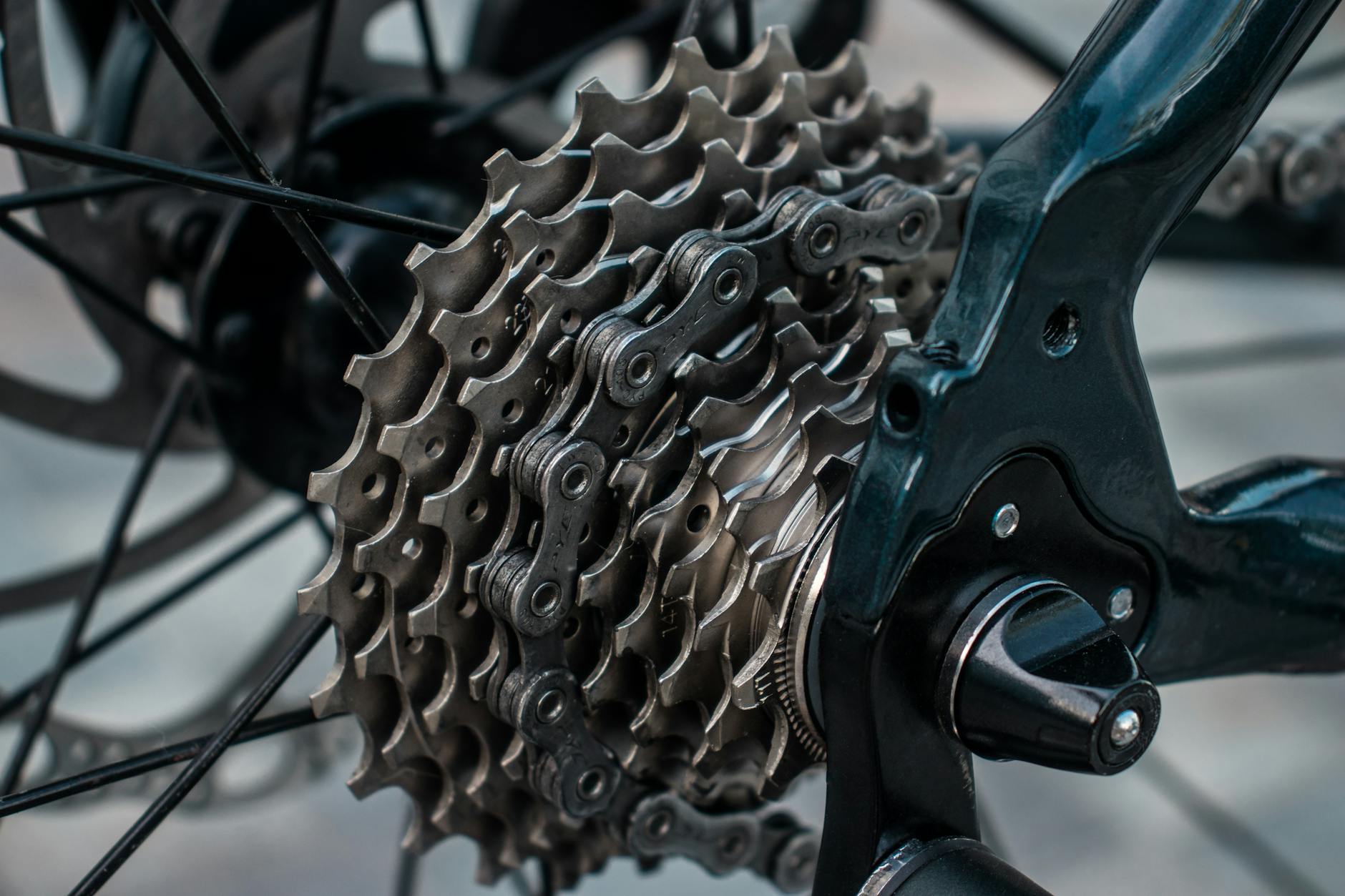
The fundamental case for bicycles as short-trip transportation comes down to physics and geometry. A bicycle is fast enough to cover one to three miles in 5 to 15 minutes, requires no fuel, needs no parking space beyond a rack or a post, and involves almost no startup time. You walk out the door, get on, and go. Half of all trips in the United States are three miles or less, and 40 percent are under three miles — distances where a car spends more time warming up, navigating parking lots, and idling at lights than it does actually moving. A bicycle cuts through that friction entirely. Reliability in this context means showing up on time, consistently, without depending on systems outside your control. Cars depend on fuel prices, traffic congestion, parking availability, and mechanical systems that cost thousands to repair. A bicycle depends on tire pressure, a chain, and your legs.
The maintenance is simple, cheap, and learnable. A flat tire costs a few dollars and ten minutes to fix. Compare that to the average parking space in a tier-1 city, which can cost as much as $30,000 — a figure that puts the economics of short car trips in stark perspective. New York City illustrates this at scale. Over 620,000 cycling trips are made daily across the city, according to NYC DOT data. These are not recreational laps through Central Park. They are commuters, delivery workers, and residents running errands — people who have determined that a bicycle is the fastest, most predictable way to move through dense streets. When traffic is gridlocked and subway delays stack up, the bicycle remains steady. It is, for short distances, the most reliable vehicle in the city.
The Untapped Potential of Replacing Car Trips With Cycling
The numbers reveal a striking mismatch. Two-thirds of all trips under three miles in the U.S. happen in personal vehicles. That means millions of daily car trips cover distances a bicycle handles comfortably in under 15 minutes. If even a fraction of those drivers switched to cycling, the effects on congestion, emissions, and household budgets would be significant. Bike-share systems alone help avoid an estimated 1.8 million pounds of CO2 emissions per month by replacing short car trips — and that accounts for only a small slice of total cycling. However, this potential comes with real caveats. Bicycles are not viable short-trip replacements in every situation.
If you need to transport a large load, travel with small children who cannot ride, or navigate roads with no shoulder and heavy truck traffic, a bicycle may not be safe or practical. Weather matters too — not as much as people think, since proper clothing handles most conditions, but ice, extreme heat, and sustained heavy rain create genuine barriers. The Dutch ride year-round in cold and rain, but they also have separated bike lanes on nearly every road. infrastructure is the variable that determines whether cycling is merely possible or genuinely reliable. The gap between American and European cycling rates is not about individual toughness. Germany, Poland, and France all have cycling-for-transportation rates between 20 and 36 percent, compared to 16 percent in the U.S. These countries have invested in protected lanes, secure parking, and traffic calming that makes cycling feel safe and normal. Without those investments, telling Americans to just ride a bike to the store is advice that ignores the built environment most of them live in.
How E-Bikes Are Expanding What Counts as a Short Trip
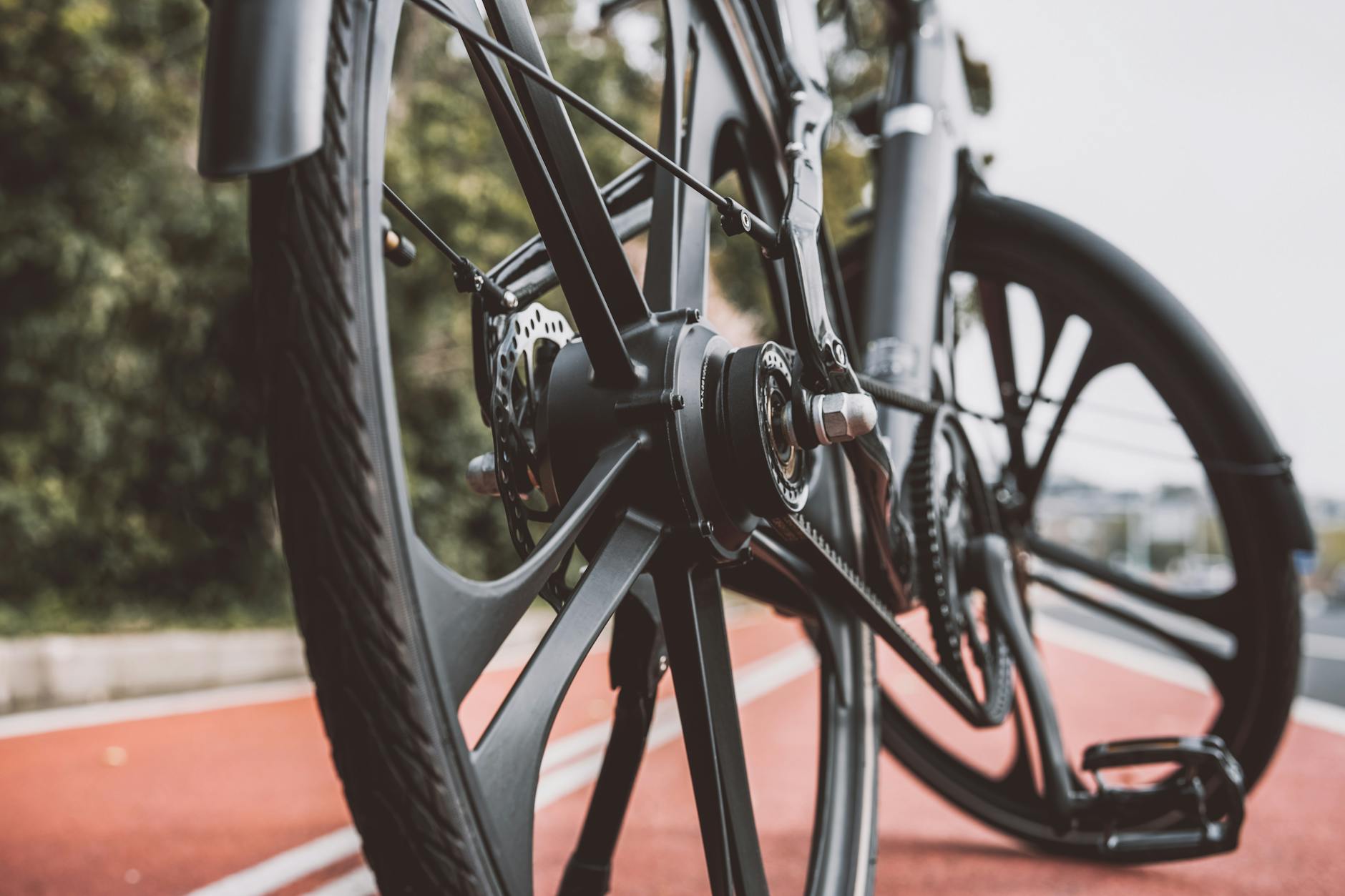
E-bikes have fundamentally changed the reliability calculation for bicycle transportation. A standard bicycle handles one to three miles well, but hills, headwinds, and sweat limit its appeal for many riders — especially those commuting to an office or running errands in work clothes. An e-bike flattens hills, cuts headwinds, and extends comfortable range. E-bikes now account for 40 percent of urban journeys at distances of 5 to 15 kilometers, making them directly competitive with cars for trips that were previously too long or too strenuous for a regular bicycle. The market reflects this shift. City and urban e-bikes hold the largest market segment at 63.7 percent of all e-bike sales in 2025, and the global e-bike market reached an estimated $69.73 billion that same year, projected to grow to $144.33 billion by 2033 at a compound annual growth rate of 9.2 percent.
In the Netherlands, more than 40 percent of adults own an e-bike. These are not niche products anymore. They are mainstream transportation tools that older riders, less fit riders, and riders in hilly terrain rely on daily. A concrete example: a commuter living four miles from work in a hilly city like Pittsburgh or San Francisco might dismiss a regular bicycle as impractical. An e-bike covers that distance in about 15 minutes with minimal effort, arriving without sweat, without parking costs, and without sitting in traffic. The purchase price of a quality e-bike — typically $1,500 to $3,000 — pays for itself within a year or two when measured against car ownership costs, fuel, insurance, and parking.

Comparing the Real Costs of Cycling Versus Driving for Daily Errands
The cost comparison between cycling and driving for short trips is not even close, but it requires honest accounting on both sides. A reliable commuter bicycle costs $400 to $800 and lasts years with basic maintenance — chain lube, brake pads, occasional tire replacement. Annual maintenance might run $100 to $200 if you pay a shop. An e-bike costs more upfront but still runs a fraction of what a car demands. U.S. national spending on bicycles and accessories grew 620 percent from March 2020 to March 2023, a surge driven largely by people discovering the economic logic of cycling for transportation. On the car side, the American Automobile Association consistently estimates that owning and operating a car costs $10,000 or more per year when you factor in payments, insurance, fuel, maintenance, and depreciation.
For a household that uses a car primarily for short trips — and many do — a bicycle eliminates most of that expense. Urban parking alone can be a decisive factor. When a single parking space in a major city costs as much as $30,000, the economics speak for themselves. The tradeoff is convenience and flexibility. A car carries more, handles bad weather without complaint, and covers long distances. If your daily life regularly requires hauling large items or driving 20 miles to work, a bicycle will not replace your car. But if you are honest about how many of your trips are under three miles — and statistically, about half of them are — you may find that a bicycle handles most of your transportation needs while the car sits in the driveway.
What Makes Cycling Unreliable and How to Address It
The biggest threats to bicycle reliability as daily transportation are not mechanical. They are infrastructural and cultural. Poorly maintained roads, lack of protected bike lanes, aggressive drivers, and insufficient bike parking create an environment where cycling feels dangerous and inconvenient. In cities without connected bike networks, a rider might have a safe route for 80 percent of their trip and then face a terrifying quarter-mile stretch on a four-lane road with no shoulder. That gap in the network is enough to keep most people in their cars. Theft is another serious reliability concern. If you cannot count on your bicycle being there when you come out of the store, it is not reliable transportation.
Secure parking infrastructure — covered racks, locked bike rooms, monitored stations — matters as much as the lanes themselves. Weather preparedness is learnable (fenders, rain jackets, glove liners handle most conditions), but the mental shift from car-default to bike-default requires confidence that the whole system supports you, not just the vehicle. A warning worth stating plainly: do not rely on a bicycle as your sole transportation without a backup plan if you live in a car-dependent area with poor cycling infrastructure. The bicycle itself is reliable. The system around it may not be. Start by identifying your most common short trips, test-riding those routes, and building up gradually. Many people who try cycling for errands discover it works better than expected — but the ones who succeed are those who planned for the exceptions rather than pretending they do not exist.
The Global Growth of Cycling as Everyday Transportation
The global bicycle market is projected at $63.74 billion in 2025 and $65.07 billion in 2026, with approximately 138 million units sold annually between 2024 and 2026. These figures reflect a transportation sector, not a hobby. Countries like the Netherlands, Denmark, and Germany have demonstrated for decades that when you build for cycling, people cycle. The 53 percent of Dutch residents who bike at least twice a week for transportation are not athletic outliers — they are teachers, office workers, retirees, and parents, riding because it is the easiest option available.
India and Brazil, both at 34 percent cycling-for-transportation rates, show that this is not exclusively a wealthy-country phenomenon. In many developing cities, the bicycle remains the most accessible and affordable vehicle. The challenge in those contexts is different — it is about safety and road design rather than cultural adoption. But the underlying principle holds everywhere: for short daily trips, the bicycle is the most efficient machine ever invented for moving a human being.
Where Bicycle Transportation Is Headed
The trajectory is clear. E-bike technology continues to improve in range, weight, and affordability. Cities worldwide are expanding protected bike lane networks in response to both climate goals and resident demand. The 620,000 daily cycling trips in New York City represent a number that was unthinkable 15 years ago, before the city began building dedicated infrastructure.
Philadelphia’s rising bridge counts tell the same story on a smaller scale. The question is no longer whether bicycles are reliable transportation for short daily trips — they demonstrably are, for hundreds of millions of people worldwide. The question is how quickly cities and individuals will reorganize around that fact. For anyone sitting in traffic on a two-mile drive to the store, the answer is already parked in the garage.
Conclusion
Bicycles handle short daily trips with a reliability that cars cannot match at the same distances. They are faster door-to-door for trips under three miles, cost a fraction of what driving demands, produce zero emissions, and require minimal maintenance. E-bikes extend that reliability to longer distances and hillier terrain, making cycling accessible to riders who would otherwise find it too strenuous. The data is consistent across cities and countries: where infrastructure supports cycling, people ride — and they ride not for exercise or ideology, but because it is the most practical choice. If you are considering cycling for daily transportation, start with your shortest, most frequent trips.
Ride the route once on a weekend to assess safety and timing. Invest in a quality lock, fenders, and lights. Do not try to replace every car trip at once — replace the easiest ones first and build from there. The bicycle has been the world’s most efficient short-distance vehicle for over a century. The only thing that has changed is that more people are finally starting to use it that way.


