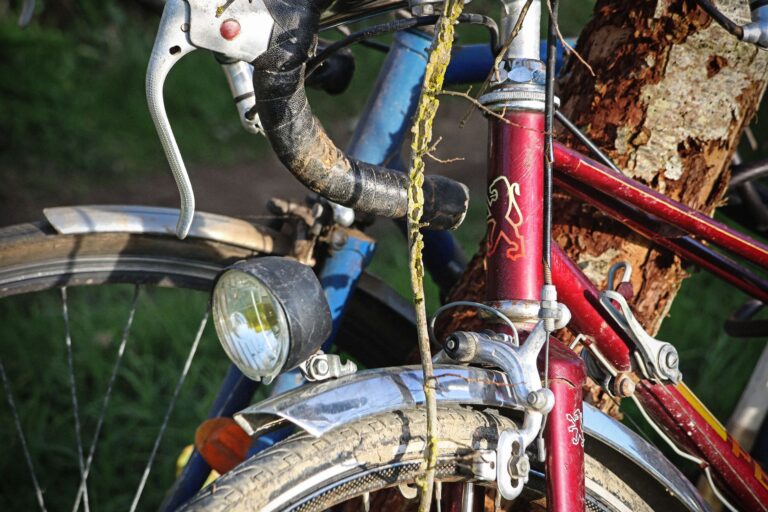
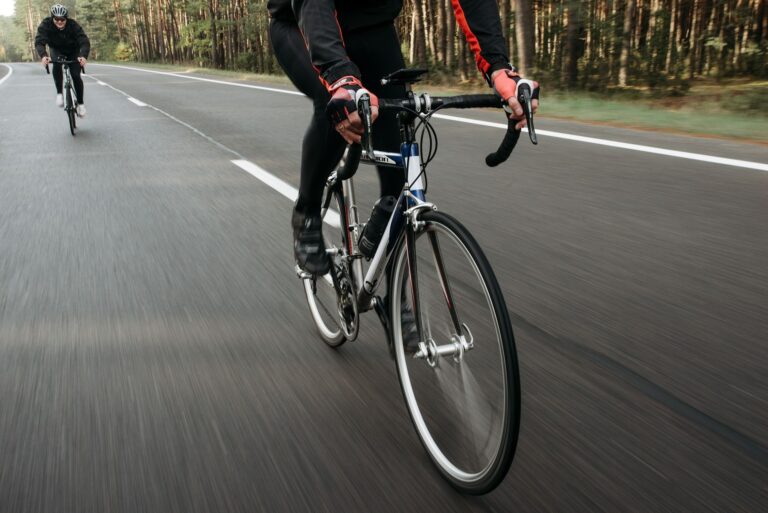
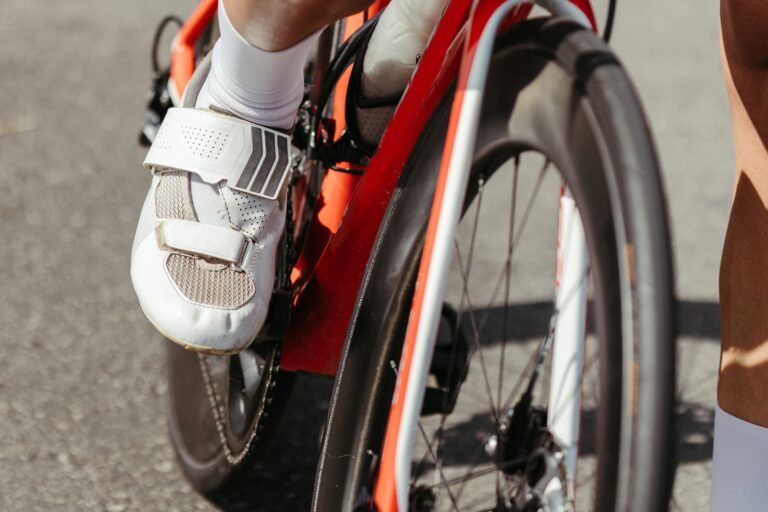
A proper spring gear check involves inspecting your bike’s drivetrain, brakes, tires, and frame for winter damage, while also evaluating your cycling clothing and accessories for wear that could compromise safety or performance. Start by cleaning your bike thoroughly to expose any hidden problems, then systematically work through each component””chain stretch, brake pad thickness, tire sidewall condition, and cable integrity are the most common failure points after months of storage or wet-weather riding. For your personal gear, check helmet integrity, replace sun-faded or stretched cycling shorts, and verify that your shoes still clip in and out smoothly. Consider the case of a rider who stored their carbon bike in an unheated garage over winter.
The repeated freeze-thaw cycles can cause moisture trapped in bar tape or seat post interfaces to expand and potentially crack components. This same rider might pull out last year’s jersey only to find the zipper corroded or the reflective strips peeling. These aren’t hypothetical problems””they’re the exact issues that cause mechanical failures on the first warm-weather group ride of the season. This article covers the complete spring inspection process, from the obvious checks most cyclists remember to the overlooked details that separate a trouble-free season from one plagued by roadside repairs. You’ll learn how to assess both your bicycle and your cycling wardrobe, establish a maintenance baseline, and identify when professional service is actually necessary versus when you’re capable of handling repairs yourself.
Table of Contents
- What Should a Complete Spring Bike and Gear Check Include?
- Inspecting Your Bike Frame and Components After Winter Storage
- Drivetrain Assessment: Chains, Cassettes, and Chainrings
- Brake and Wheel Safety Verification
- Evaluating Your Cycling Clothing and Personal Equipment
- How to Prepare
- How to Apply This
- Expert Tips
- Conclusion
- Frequently Asked Questions
What Should a Complete Spring Bike and Gear Check Include?
A thorough spring inspection breaks down into three categories: safety-critical components that require immediate attention, performance components that affect ride quality, and wear items that should be monitored throughout the season. Safety-critical items include brakes, quick releases or thru-axles, handlebars, stems, and anything structural. Performance components cover the drivetrain, bearings, and suspension. Wear items include tires, cables, bar tape, and saddles. The inspection sequence matters because some checks depend on others. For example, you cannot accurately assess chain wear on a dirty drivetrain because grit interferes with chain checker tools.
Similarly, checking brake pad alignment before truing wheels wastes time since the process changes once wheels are properly tensioned. A logical order starts with cleaning, moves to the frame and wheels, progresses through the drivetrain, and finishes with controls and contact points. Compared to a mid-season check, spring inspections require more attention to storage-related damage. Cables can corrode inside housing during humid storage. Hydraulic brake fluid absorbs moisture through microscopic pores in the lines, lowering the boiling point. Tubeless tire sealant dries out and clumps. None of these problems occur during active riding season when components see regular use and fresh lubricant.
Inspecting Your Bike Frame and Components After Winter Storage
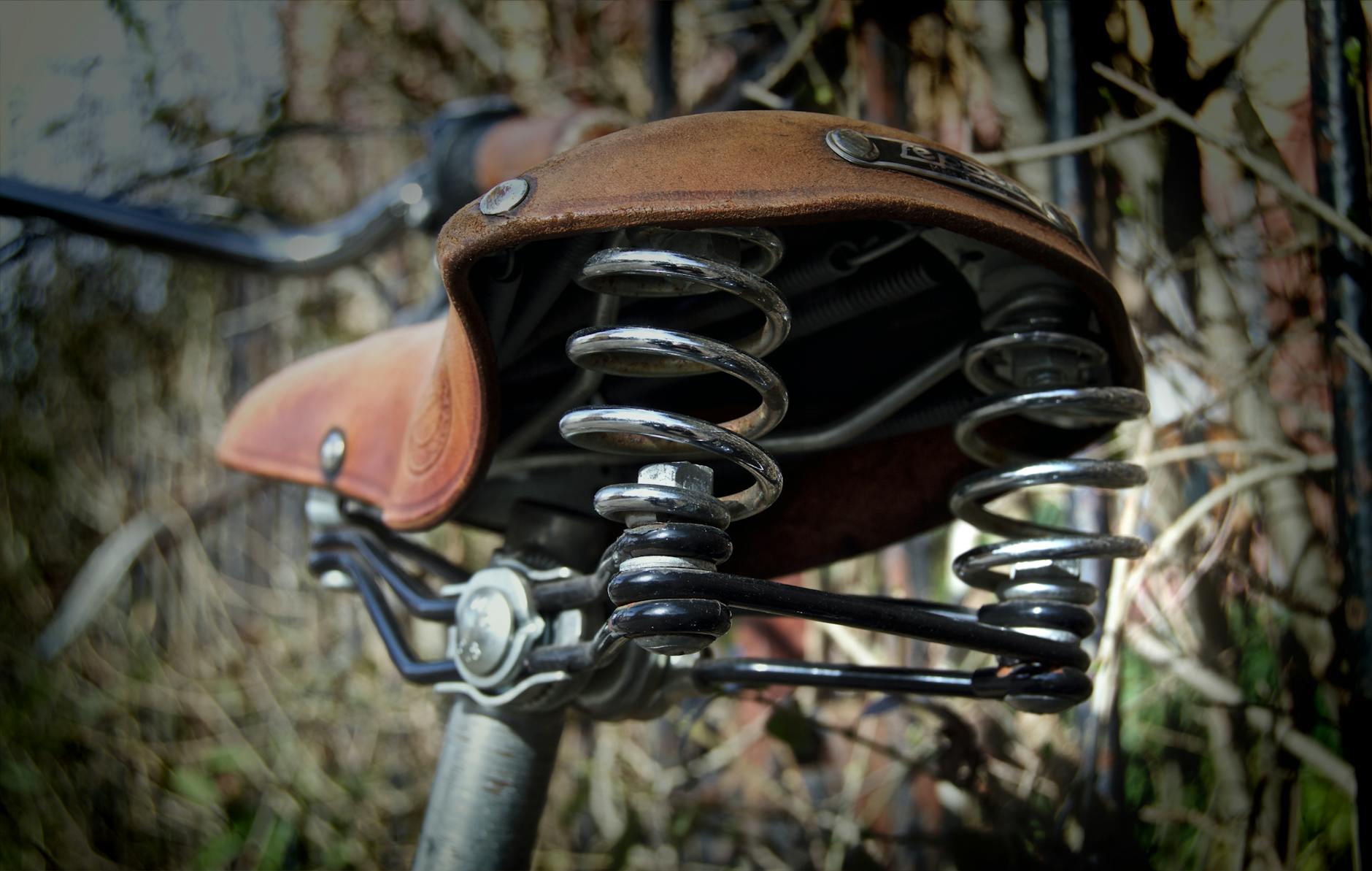
Frame inspection begins with a complete wash using degreaser on the drivetrain and mild soap elsewhere. Once clean, examine the frame systematically under strong light, starting at the head tube and working backward. Look for cracks, paint chips that expose bare material, and any bulging or discoloration around welds or bonded joints. Carbon frames require particular attention around dropout interfaces and bottom bracket shells where stress concentrates. Check all bolted connections with a torque wrench, not just for looseness but also for correct specification.
A stem bolt torqued to 4Nm when it requires 6Nm presents just as much danger as one that’s loose. Seatpost and handlebar clamps are frequent problem areas because riders often over-tighten them to prevent slipping, which can damage carbon components or create stress risers in aluminum. However, if your bike spent winter on an indoor trainer, the inspection priorities shift significantly. Trainer use creates specific stress patterns””the rear dropout area, chainstays, and bottom bracket see concentrated loads without the normal shock absorption from road surfaces. Sweat exposure corrodes headset bearings and stem bolts on indoor-trained bikes far more aggressively than outdoor winter riding. Check these areas with extra scrutiny even if the bike looks pristine externally.
Drivetrain Assessment: Chains, Cassettes, and Chainrings
Chain wear measurement is the single most predictive maintenance check you can perform. A chain checker tool costs under twenty dollars and takes seconds to use. Chains should be replaced at 0.5% elongation for 11 and 12-speed drivetrains, while 9 and 10-speed systems can often run to 0.75% without accelerating cassette wear. Replacing a chain at the correct interval typically allows two to three chains per cassette, while running a stretched chain can destroy a cassette in a single season. Cassette and chainring wear presents more subtly than chain wear. Look for shark-finning on cog teeth””the characteristic hooked profile where the tooth leans forward in the direction of chain travel.
New teeth have symmetric profiles with flat tops. Chainrings show similar wear patterns but also develop ramping issues where the chain hesitates during shifts. test by pedaling backward under light tension; the chain should remain seated rather than lifting off the rings. A specific example illustrates the economics: a 12-speed SRAM cassette costs around $250 at mid-tier levels. Running three $50 chains for a total of $150 preserves the cassette through approximately 9,000 miles. Running each chain to destruction might mean two chains and two cassettes over the same distance, totaling $600. The chain checker pays for itself many times over in component savings.

Brake and Wheel Safety Verification
Brake inspection varies significantly between rim and disc systems. Rim brakes require pad inspection for wear indicators, usually grooves molded into the pad surface that disappear as material wears. Equally important is checking the rim brake track for concavity””rim sidewalls thin over time and can fail catastrophically if worn too far. Some rims include wear indicator dimples that disappear when replacement is necessary. Disc brake pads should measure at least 1.5mm thick at the thinnest point, excluding backing plate. Hydraulic systems require fluid inspection through the reservoir window if accessible, looking for discoloration that indicates contamination or moisture absorption. Mechanical disc brakes need cable and housing inspection plus careful adjustment since cable stretch is most pronounced after winter storage. Wheel inspection starts with a visual check for dents, cracks, or bulges, then progresses to trueness. Spin each wheel and watch the gap between rim and brake pad or frame. Lateral deviation exceeding 2mm warrants truing. Radial deviation””egg-shaping””is more serious and often indicates spoke failure or structural damage. Check spoke tension by squeezing parallel spoke pairs; significant differences suggest loosening that will worsen rapidly. The tradeoff with home wheel truing is that inexperienced mechanics often create as many problems as they solve. If you lack a truing stand and spoke wrench practice, professional service is more cost-effective than potentially destroying a wheel.
## Common Spring Gear Problems and How to Identify Them Shifting problems after storage usually trace to cable housing rather than derailleur adjustment. Housing develops internal corrosion that increases friction, causing sluggish or incomplete shifts. This appears as delayed downshifts and over-shifts on the climb to larger cogs. The fix is full cable and housing replacement, not endless adjustment tweaking. Test by disconnecting the cable at the derailleur and pulling it by hand””it should slide freely with minimal resistance. Creaking and clicking sounds frequently emerge on spring’s first rides. These noises almost always originate at interfaces rather than within components. Check pedal threads, crank bolts, seatpost clamping, saddle rails, handlebar and stem interfaces, and headset bearings. The challenge is locating the actual source since sound transmits through the frame. A systematic approach involves greasing and re-torquing each interface one at a time until the noise disappears. A warning about seized components: after winter storage, seatposts and stems sometimes bond to frames through corrosion. Attempting to force these free can damage frames permanently. If a component won’t move with normal force, apply penetrating oil and wait 24 hours. Repeat several times if necessary. For valuable frames, professional extraction with specialized tools is safer than aggressive home attempts.
Evaluating Your Cycling Clothing and Personal Equipment
Helmet inspection is non-negotiable because foam degradation is invisible. Any helmet older than five years should be replaced regardless of appearance””the EPS foam that provides impact protection degrades from UV exposure, sweat salts, and simple aging. Helmets that have experienced any impact, even if dropped on concrete from handlebar height, must be replaced. Check retention systems and strap adjusters for smooth operation; mechanisms that stick or slip compromise fit.
Cycling shorts and bibs lose compression and chamois padding density over time. The chamois should still feel resilient when pressed, not flattened or lumpy. Fabric should not be transparent when stretched. A specific test: if the garment no longer smoothly returns to shape after being stretched, the elastic fibers have degraded beyond useful life. Most serious cyclists replace primary shorts every one to two seasons depending on usage volume.

How to Prepare
- **Assemble your tool kit**: At minimum, you need hex wrenches from 2mm to 8mm, a torque wrench, chain checker, tire pressure gauge, degreaser, and clean rags. Missing tools lead to skipped checks, which defeats the purpose of a systematic inspection.
- **Set up a clean, well-lit workspace**: Ideally, use a repair stand to access all areas of the bike. If working on the ground, flip the bike carefully and use padding to protect handlebars and saddle.
- **Create a checklist**: Write down every component you intend to inspect. This physical list prevents the common mistake of skipping steps when distracted.
- **Gather replacement parts**: If you already suspect items need replacement, have them on hand. Discovering a worn chain mid-inspection then waiting a week for delivery means reassembling and re-disassembling the drivetrain.
- **Allocate sufficient time**: A thorough inspection takes two to four hours depending on mechanical experience. Rushing leads to missed problems.
How to Apply This
- **Categorize problems by urgency**: Safety issues like worn brake pads, cracked components, or loose bolts require immediate correction before any riding. Performance issues like worn chains or stiff cables can be scheduled but should be addressed within one to two weeks.
- **Create a parts order list**: Consolidate needed replacements into a single order to minimize shipping costs and ensure you have everything necessary for repair day.
- **Schedule service appointments early**: If professional service is needed, book immediately. Bike shops experience their highest demand in spring, and wait times can extend to several weeks.
- **Document your baseline measurements**: Record chain wear percentage, brake pad thickness, and tire condition. These measurements help you track wear rates throughout the season and plan future maintenance.
Expert Tips
- Replace cables and housing as a complete set. Mixing old and new creates inconsistent friction and unreliable shifting or braking.
- Do not lubricate chains immediately after degreasing. Allow the degreaser to fully evaporate, which can take several hours, or the new lubricant will be diluted and wash away quickly.
- Store spare tubes with talcum powder to prevent rubber from bonding to itself, and check stored tubes for cracks along fold lines before relying on them for repairs.
- Test tubeless setups at home rather than on a ride. Add fresh sealant, inflate to pressure, and let sit overnight to verify air retention before trusting the system on the road.
- Keep your old, slightly worn chain as an emergency spare. It will work with your current cassette even if not optimal, while a brand-new chain on a worn cassette may skip under load.
Conclusion
Spring gear preparation separates cyclists who enjoy reliable seasons from those perpetually troubleshooting roadside mechanicals. The investment of a few hours at season’s start prevents the accumulated frustration of clicking derailleurs, squealing brakes, and unexpected failures. More importantly, safety-critical checks on helmets, brakes, and structural components provide peace of mind that equipment will perform when needed.
The process itself becomes faster with experience. First-year cyclists might need an entire weekend to complete a thorough inspection and address issues. By the third or fourth season, the routine becomes instinctive, with experienced cyclists completing checks in an afternoon. Build this practice into your annual cycling calendar, ideally scheduled four to six weeks before your intended first major ride, and you’ll develop both the mechanical skills and the equipment reliability that make cycling more enjoyable.
Frequently Asked Questions
How long does it typically take to see results?
Results vary depending on individual circumstances, but most people begin to see meaningful progress within 4-8 weeks of consistent effort. Patience and persistence are key factors in achieving lasting outcomes.
Is this approach suitable for beginners?
Yes, this approach works well for beginners when implemented gradually. Starting with the fundamentals and building up over time leads to better long-term results than trying to do everything at once.
What are the most common mistakes to avoid?
The most common mistakes include rushing the process, skipping foundational steps, and failing to track progress. Taking a methodical approach and learning from both successes and setbacks leads to better outcomes.
How can I measure my progress effectively?
Set specific, measurable goals at the outset and track relevant metrics regularly. Keep a journal or log to document your journey, and periodically review your progress against your initial objectives.
When should I seek professional help?
Consider consulting a professional if you encounter persistent challenges, need specialized expertise, or want to accelerate your progress. Professional guidance can provide valuable insights and help you avoid costly mistakes.
What resources do you recommend for further learning?
Look for reputable sources in the field, including industry publications, expert blogs, and educational courses. Joining communities of practitioners can also provide valuable peer support and knowledge sharing.