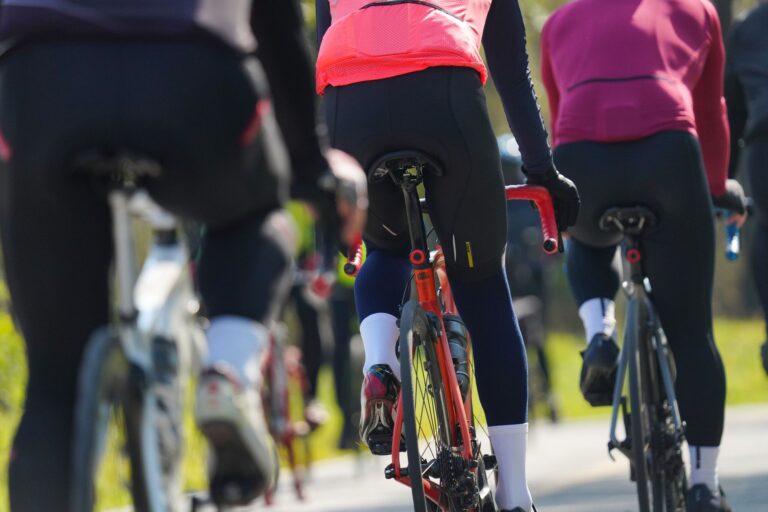
Cycling shoes feel comfortable on a daily commute when the fit is roomy enough for feet that swell, the sole is stiff enough to spread pedal pressure but flexible enough to walk in, and the closure holds the heel without squeezing the forefoot. For most commuters that means a recessed-cleat shoe — one where the metal cleat sits inside a rubber tread rather than protruding below it — in a slightly wider size than a race shoe, with hook-and-loop straps or a dial rather than laces.
Comfort on a commute is a different problem from comfort on a training ride. You pedal for twenty or forty minutes, then walk into a building, stand on a train platform, carry the bike up stairs, and do it again on the way home. A shoe that is excellent for three hours of steady pedaling can be miserable for that pattern, which is why the commuting answer leans toward shoes that compromise.
Table of Contents
- Why hot spots and numbness happen in the first place
- Recessed cleats and the walkability trade-off
- Fit details that decide comfort
- Closures, uppers, and weather
- A practical approach to getting it right
- Frequently Asked Questions
Why hot spots and numbness happen in the first place
Clipless pedals concentrate your body weight through a small platform under the ball of the foot. A sole that flexes lets that pressure dig into one spot, which riders feel as a burning "hot spot" under the forefoot. A stiffer sole spreads the load across more of the foot, which is the main reason cycling-specific soles exist at all. The second common complaint is numbness or tingling in the toes.
This usually comes from pressure on nerves running between the long bones of the foot, and it is often a width or strap-tension problem rather than a sole problem. Feet also swell during activity, so a shoe that fits perfectly in a cool shop at 9am can be tight at the end of a warm ride home. Cleat position matters as much as the shoe. A cleat set too far forward forces you to pedal more from the toes, loading the calf and the front of the foot; moving it slightly rearward, toward the middle of the foot, reduces that load for many riders. If a shoe is comfortable standing still and painful after fifteen minutes of pedaling, suspect setup before you blame the shoe.
Recessed cleats and the walkability trade-off
Two broad cleat systems dominate. Two-bolt systems — commonly called SPD or "mountain" style — use a small cleat that recesses into a lugged rubber sole, so you walk on rubber and the cleat barely touches the ground. Three-bolt systems — the road standard, including Look-style and similar patterns — use a larger plastic cleat that sits proud of a smooth sole, so you walk on the cleat itself. For commuting, recessed two-bolt shoes are the straightforward choice. You can cross a lobby, climb stairs, or stand at a light without the clacking, sliding, wear-and-tear experience of walking on an exposed road cleat.
They are also easier to clip into when you are starting from a stop repeatedly in traffic, because the pedal body is usually smaller and double-sided. The trade-off is weight and stiffness. Recessed shoes carry rubber tread and often slightly more flexible soles, which costs a small amount of pedaling efficiency. For a commute, that cost is nearly invisible; for a timed event it may matter. There is also a middle option worth knowing: flat pedals with grippy pins and ordinary stiff-soled shoes or purpose-built flat-pedal cycling shoes, which eliminate the cleat question entirely at the cost of some pedaling control.
Fit details that decide comfort
Cycling shoes fit differently from running shoes, and sizing across brands is inconsistent enough that trying them on matters more than reading a chart. A few things to check: A reasonable rule: buy for the widest part of your foot, then control the rest with closures and insoles. You can tighten a roomy shoe; you cannot widen a narrow one.
- **Forefoot width.** You should be able to spread your toes slightly. If the upper bulges at the little toe, the shoe is too narrow — size up in length only after checking whether the brand offers a wide version.
- **Heel hold.** Your heel should not lift when you walk or pull up on the pedal. Heel lift causes blisters and makes riders over-tighten the forefoot to compensate.
- **Length at the end of the day.** Try shoes on in the afternoon or after a ride, with the socks you actually commute in, because feet swell.
- **Sole shape against your arch.** Many stock insoles are nearly flat. A shoe that feels like it is collapsing inward under load may simply need a better-supported insole.
- **Stack and float.** "Float" is the small amount of rotation the cleat allows before it releases. Cleats with some float let the knee track naturally; zero-float cleats suit riders who already know their alignment.
Closures, uppers, and weather
Closure systems change how pressure is distributed. A single dial pulls cable across the whole instep, which is even and easy to adjust mid-ride with one hand. Two or three hook-and-loop straps let you run the forefoot loose and the instep snug — useful if numbness is your problem. Laces give the most even pressure but cannot be loosened while riding, which is a real limitation when feet swell on a commute. Uppers divide into ventilated and weather-resistant, and commuters feel both extremes.
Mesh panels that are a relief in summer soak through in rain and leave feet cold for the rest of the day. A less-vented synthetic upper, or a shoe with a modest amount of water resistance, is usually the better year-round commuting pick; shoe covers or overshoes handle the worst days without committing you to a winter-only shoe. Also think about what the shoe looks like off the bike. Several manufacturers make recessed-cleat shoes styled as sneakers or casual leather shoes, which matters if you ride to an office and do not change. These generally use softer soles than performance shoes, so they are more comfortable to walk in and slightly less efficient to pedal — an acceptable trade on a short commute.
A practical approach to getting it right
Start with the problem you actually have. Burning under the forefoot points to sole stiffness, cleat position, or straps cinched too tight. Numb toes point to width or instep pressure.
Blisters at the heel point to heel hold. Knee ache after switching shoes usually points to cleat position or float, not the shoe's comfort. Then change one thing at a time: Give each change a few rides. Feet adapt, and a shoe that feels slightly unfamiliar on day one is not the same as a shoe that is wrong.
- Loosen the forefoot closure one notch and ride a full commute before judging it.
- Move the cleat 2–3mm rearward if the ball of your foot aches, and re-check your saddle height, since a rearward cleat effectively lengthens your leg at the pedal.
- Replace the stock insole before replacing the shoe; it is the cheapest meaningful change available.
- Try a thinner sock with a snug shoe, or a thicker one with a loose shoe, rather than resizing.
Frequently Asked Questions
Do I need cycling shoes to commute at all?
No. Flat pedals with grippy pins and any stiff-soled shoe work well for short commutes. Clipless shoes mainly help with foot position, pedaling control, and pressure distribution on longer or hillier rides.
Should I size up from my normal shoe size?
Often a half size, because feet swell and cycling socks vary, but sizing is brand-specific. Prioritize forefoot width over extra length — a shoe that is too long lets the heel slip.
Can I use road shoes for commuting if I already own them?
You can ride in them, but walking on exposed three-bolt cleats is slippery on smooth floors and wears the cleats quickly. Cleat covers help; a recessed-cleat shoe helps more.
Why do my feet go numb only on the way home?
Feet swell as the day and the ride progress, so a closure that was comfortable in the morning becomes too tight. Loosen the forefoot strap or dial before the return trip.