What Is a Gravel Bike and Who Is It Really For
A gravel bike is a versatile bicycle built to handle a mix of surfaces like paved roads, dirt paths, gravel trails, and light off-road routes. It blends features from road bikes and mountain bikes, making it a go-to choice for riders who want one bike for many adventures.[1][2][4]
Gravel bikes stand out with their drop handlebars, which often flare out at the ends for better control on rough terrain. The frame geometry is more relaxed than a road bike, with a longer wheelbase, slacker head angles, and a lower bottom bracket. This setup puts you in a comfortable, upright position and adds stability when things get bumpy.[1][3]
Tires are a big part of what makes these bikes special. They are wider, often 30 to 50 millimeters or more, with knobby treads for grip on loose surfaces. Many models clear space for even bigger tires or mud, and you might see options for 700c or smaller 650b wheels.[1][3]
Gearing is set up for climbing and varied terrain, with wide-range options like one-by drivetrains. Frames come in materials such as carbon, aluminum, steel, or titanium, each offering different feels in weight and ride quality.[1][2][3]
These bikes shine in versatility. They roll fast on tarmac but tackle forest trails, bridleways, and gravel roads without feeling heavy or sluggish. Mounting points for racks, bags, and fenders make them ideal for bikepacking, long tours, or daily commutes.[2][6]
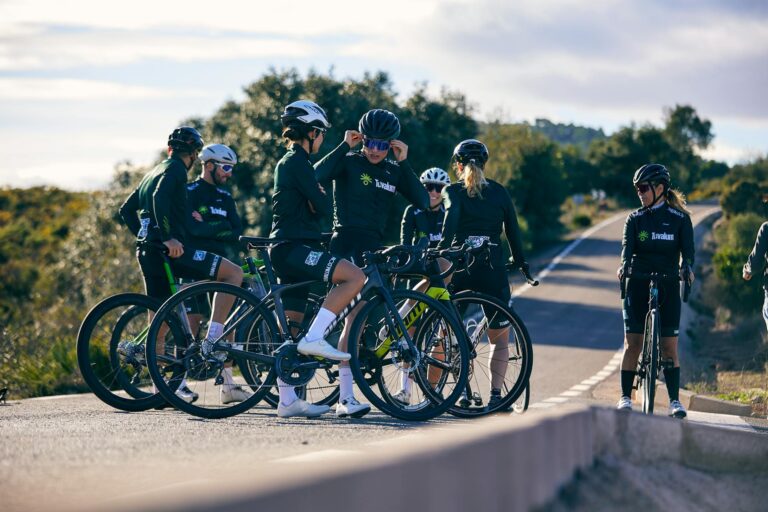
Who are gravel bikes really for? They suit adventure seekers who hate being limited to one type of riding. Think explorers linking trails with roads, bikepackers on multi-day trips, or casual riders wanting fun on mixed paths without switching bikes. They appeal to beginners on a budget, women enjoying social group rides with less traffic pressure, and anyone prioritizing comfort on long distances over pure speed.[2][3][6]
Gravel bikes lower barriers compared to road or mountain bikes. No need for narrow tires and high pressures on smooth pavement alone, or full suspension for extreme trails. They handle everything in between, from weekend spins to epic journeys, making cycling more accessible and exciting.[1][4][6]
Sources
https://www.220triathlon.com/gear/bike/gravel-bikes
https://locabikes.com/bikes/gravel
https://www.bikeradar.com/advice/buyers-guides/best-gravel-bikes
https://tideacebike.com/blogs/buying-guide/best-affordable-gravel-bikes-budget-friendly-options-for-new-riders
https://www.oreateai.com/blog/20-main-types-of-bicycles-and-their-application-scenarios-explained/465380dce1c04f4a5cda2e4681abe12b
https://www.ribblecycles.co.uk/blog/the-rise-of-womens-gravel-riding-and-whats-coming-in-2026/
https://litespeed.com/blogs/litespeed-stories/guide-how-to-choose-the-best-litespeed-titanium-gravel-bike-for-you
https://visitbend.com/journal/gravel-cycling-in-bend/