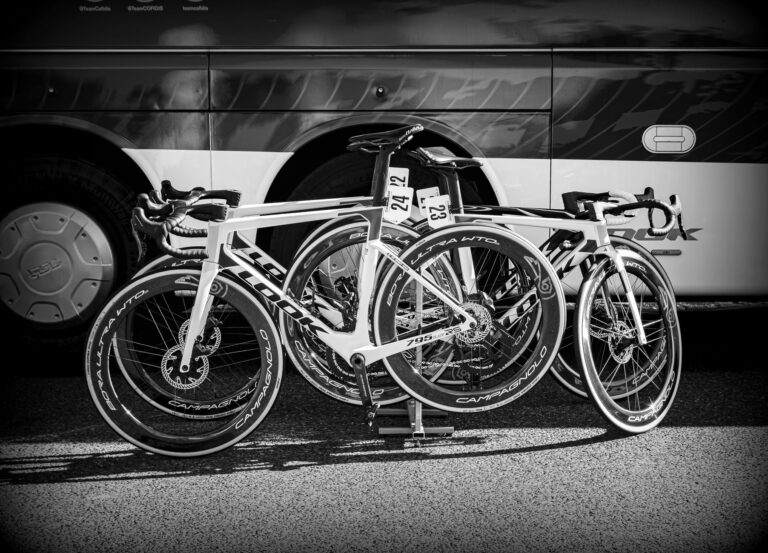
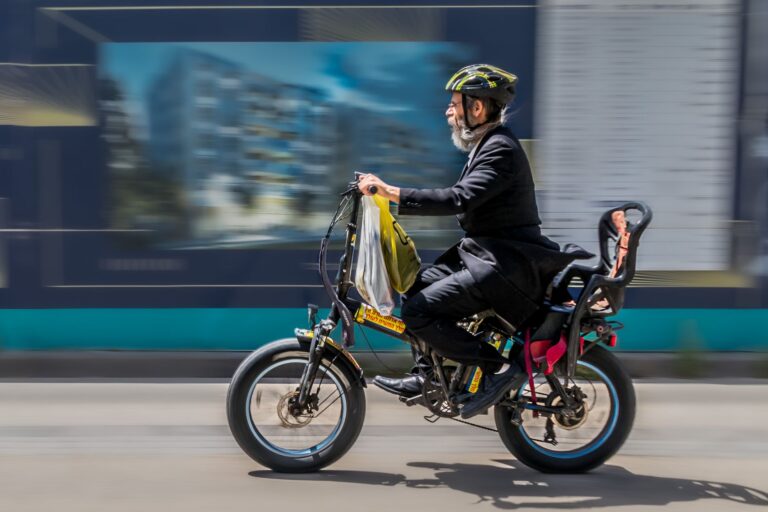
Cyclists stay warm on cold November rides with a wind-blocking outer layer, an insulating middle layer, thermal legs, warm gloves, foot covers, and head and neck cover. Hands, feet, and ears need added protection because speed makes moving air feel colder. Layering means wearing thin pieces together to trap warm air, move sweat, and block wind. November brings gusty wind, damp roads, and fading light, so adjustable pieces work better than one heavy coat.
Table of Contents
- How should you dress your core?
- What protects hands, feet, and head?
- When do wind and rain change the plan?
- How do you avoid sweat and overheating?
- Frequently Asked Questions
How should you dress your core?
Start with a snug base layer that pulls sweat away from skin. Merino wool and synthetic fabrics both work well for steady pedaling. Cotton stays damp and chills you after a climb. Add a long-sleeve thermal top or thin fleece for insulation.
This middle layer holds warmth without limiting arm movement. Choose a zip neck when you want fast venting. Finish with a windproof jacket or vest. A full jacket suits open and gusty routes. A vest suits hard efforts and sheltered climbs.
- Pack a thin rain shell for showers
- Open vents before you feel sweaty
- Keep one dry layer for long stops
What protects hands, feet, and head?
Wear full-finger thermal gloves with a windproof front. Thin liner gloves help on milder days and fit under a heavier pair. Lobster-style gloves keep fingers warmer by pairing them together. Cover your feet with thermal socks and windproof shoe covers.
Shoe covers block cold air through vents and road splash. Pick a snug fit that does not bunch over the cleat. Wear a thin skullcap or headband under your helmet. It should cover ears without blocking hearing. Add a neck gaiter for descents and pull it up over your chin.
When do wind and rain change the plan?
Wind cuts through knit fabric and cools sweat fast. A windproof front panel on the chest, thighs, and toes makes a clear difference. Softshell tights and jackets balance warmth and breathability on breezy days. Rain calls for a water-resistant shell rather than thicker insulation.
Wet fabric loses warmth quickly, so keep rain off your base layer. Mudguards also reduce cold spray on feet and legs. Watch for shaded corners, bridges, and wet leaves. These spots stay colder and slicker than sunny road. Slow early and keep weight balanced through turns.
How do you avoid sweat and overheating?
Start slightly cool for the first few minutes. Your body heats quickly once you pedal. Too many layers at the start leads to sweat that chills you later. Vent heat during climbs and close up before descents.
Open your jacket zip, cuffs, and neck gaiter on the way up. Zip up, pull gloves tight, and cover your neck before speed rises. Change small things rather than stopping to strip layers. Thin gloves, a headband, and a vest adjust easily on the move. Arrive home dry by pacing effort and drinking steadily.
Frequently Asked Questions
Do I need winter tights in November?
Many riders do once mornings feel raw. Thermal tights or leg warmers keep knees comfortable without adding bulk.
What if my fingers still get cold?
Check for tight cuffs and damp liners. A roomier windproof glove and dry liner often help more than a thicker glove.
How do I dress for a short commute?
Use the same core system with fewer changes. A windproof jacket, full gloves, and ear cover handle most short trips.