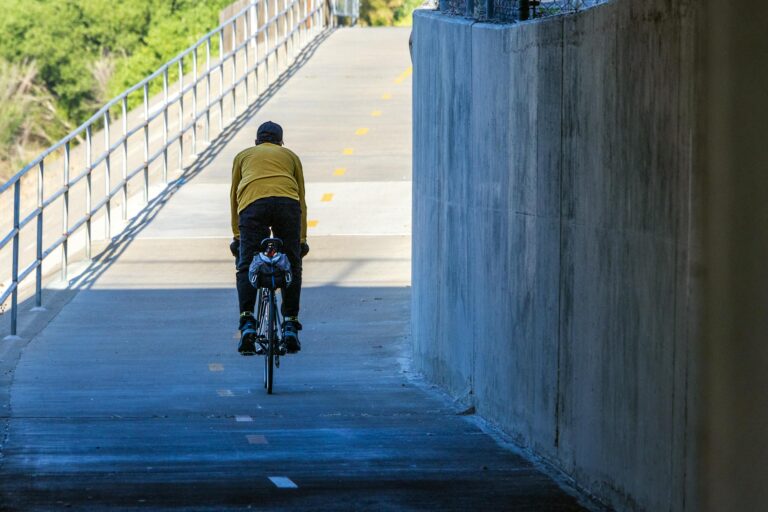
Trail Bikes: The Perfect Balance Between Climb and Descent
Mountain biking takes riders over rough terrain on bikes built for the challenge. Trail bikes stand out in this world as a smart middle ground. They mix strong climbing power with solid downhill fun, making them ideal for everyday trail rides.[2]
What makes a trail bike special starts with its suspension. These bikes usually have front suspension travel of 120 to 130 millimeters. Many skip rear suspension to keep things light, though some add a bit for extra comfort. This setup helps on climbs without slowing you down too much.[2]
Climbing is where trail bikes shine. Lower gears make steep hills easier to tackle. The frame is tough but not too heavy, with wide tires that grip dirt and rocks. Riders stay upright thanks to flat or rising handlebars, giving better control when pushing uphill. Platform or clipless pedals let you put power down efficiently.[2]
On the descent, trail bikes handle twists and bumps well. The front suspension soaks up rocks, roots, and drops. Tires with deep tread stick to the ground, even on loose or wet trails. Hydraulic disc brakes stop you quick and safe. This balance means you flow down hills without losing speed from a pure climber bike.[2]
Compared to other types, trail bikes avoid extremes. Cross-country bikes focus on speed and long rides but feel twitchy on rough descents. Full-suspension all-mountain bikes offer more plush rides with 140 to 150 millimeters of travel, but they weigh more and climb harder. Downhill bikes crush steep drops yet struggle uphill. Trail bikes fit riders who want flow trails, rock gardens, berms, and jumps without picking one skill over the other.[2]
Riders love them for real-world use. Picture a day with big elevation changes, mixing smooth paths and technical spots. Trail bikes keep you pedaling up without exhaustion, then let you rip down with confidence. They work for fun rides, not just races.[7]
Hardtails, or bikes with no rear suspension, pair well with trail designs for lighter climbs. But adding rear suspension boosts comfort on long, bumpy routes by cutting vibrations. It also improves stability and lets you hit trickier sections without bailing.[5]
In short, trail bikes reward all-around riders. They turn tough trails into enjoyable adventures by blending uphill grit with downhill thrill.
Sources
https://en.wikipedia.org/wiki/Mountain_biking
https://mbaction.com/trail-bikes/
https://www.bikebound.com/2025/12/03/best-adv-bikes/
https://tuvalum.eu/blogs/news/rigid-bicycle-vs-double-suspension-which-one-to-choose