Touring Bike Saddles: Support for All-Day and Multi-Day Rides
When you head out for long bike tours or multi-day adventures, your saddle is the make-or-break piece of gear. It needs to cradle your body for hours without causing pain, numbness, or fatigue, letting you focus on the road ahead instead of shifting uncomfortably every few miles.[1][3]
Touring saddles stand out because they balance firmness with enough padding to handle extended time in the saddle. Unlike slim road bike saddles built for speed, which can feel harsh after a couple hours, touring models often have a wider rear section for stability. This design spreads your weight evenly, reducing pressure on sensitive areas during climbs or when loaded with panniers.[1][3][6] Many feature medium-density foam that molds to your shape over time, providing reliable support without the squishiness that leads to friction on sweaty rides.[3]
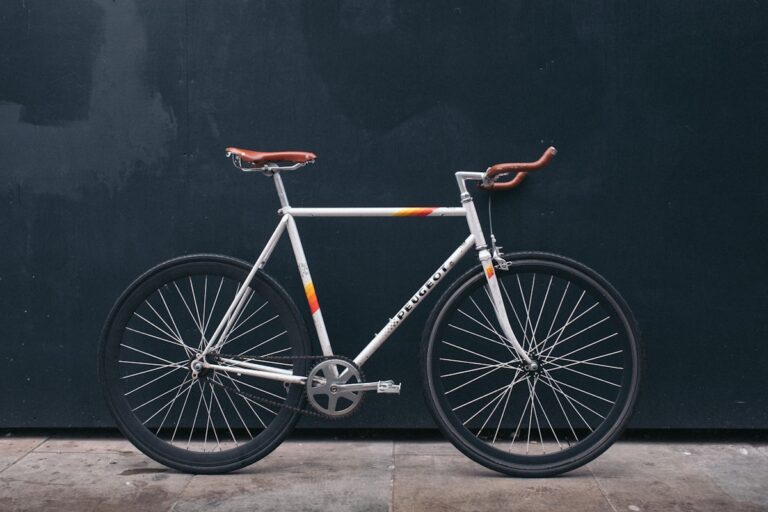
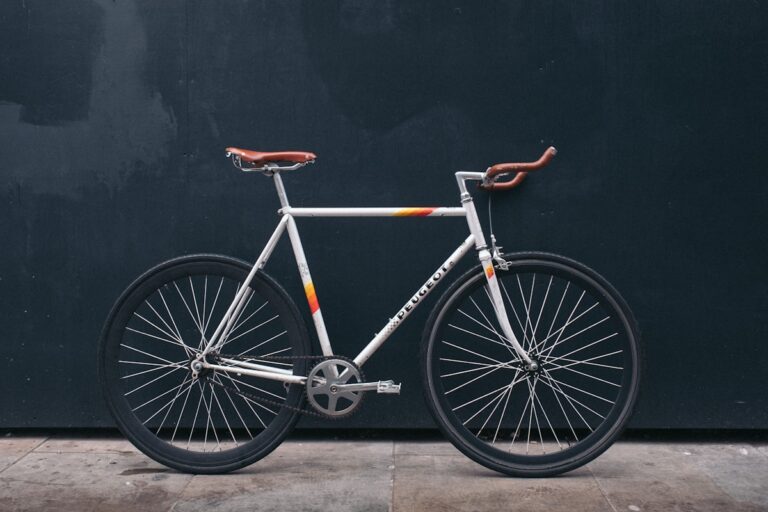
One key feature for all-day comfort is the cutout or relief channel. These grooves run down the center, cutting perineal pressure by up to 50 percent and boosting blood flow to prevent numbness on long hauls.[1] Take the Brooks B17 Carved, a classic leather option with a built-in cutout for ventilation and pressure relief. Its durable build suits daily commutes or week-long tours, breaking in nicely to fit your sit bones perfectly.[6] Modern versions add adaptive foam or gel layers for extra cushion, though serious tourers often skip heavy gel since it can trap heat and wear out faster.[3]
Riders notice touring saddles shine on loaded bikes, like gravel setups or bikepacking rigs. They pair well with upright positions, offering lower-back support via a slight upward curve at the rear. This helps maintain posture when carrying gear, unlike forward-sliding race saddles that overload your hands and destabilize steering on descents.[4][5] Gender-specific shapes are common too, accounting for pelvic differences to minimize soft tissue issues on multi-day trips.[1][3]
Fit matters most, so measure your sit bones and match the saddle width. A 110mm-wide model, for example, clears thighs for smooth pedaling while keeping you planted.[2] Short-nose designs allow easy position shifts, ideal for technical sections or e-bike assists on tours.[2] Look for lightweight shells with reinforced edges to handle rough paths without adding bike weight.[1]
High-end touring saddles run over $100, but they pay off by extending your riding endurance and cutting injury risk. Pair one with proper bike setup, like adjustable height and angle, for numb-free miles.[8]
Sources
https://sportssurge.alibaba.com/guides/bicycle-saddle
https://www.bikeworldiowa.com/product-list/wheels-1091/?rb_ct=1084&sort=reviews&startrow=240&maxItems=60
https://sportssurge.alibaba.com/guides/bike-seat
https://www.cyclingweekly.com/fitness/bike-fit/factor-says-long-stems-and-forward-saddles-cause-crashes-but-why-and-what-can-be-done-about-it
https://bikepacking.com/gear/2025-bikepacking-gear-of-the-year/
https://wabicycles.com/products/brooks-b17-saddle-carved
https://bisaddle.com/blogs/cycling-saddles/the-biomechanical-revolution-how-modern-bicycle-saddle-design-is-transforming-rider-health
https://bike.shimano.com/en-NA/stories/article/how-to-set-your-bike-up-to-feel-comfortable.html