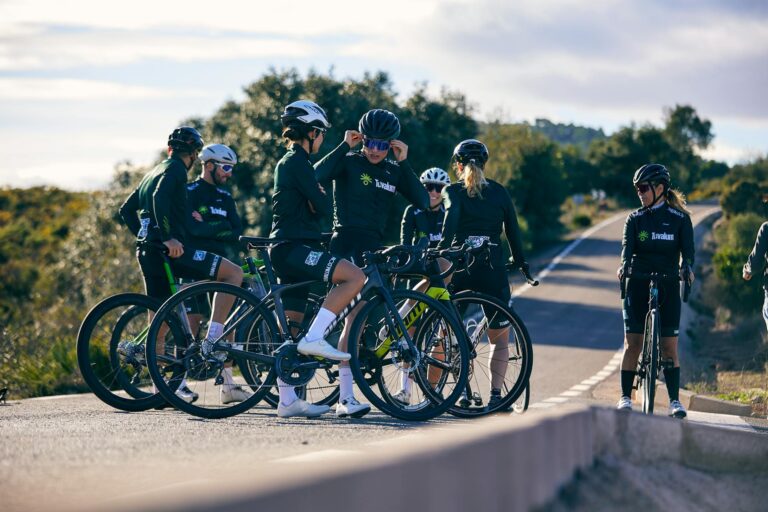
In this digital age, social media has become a powerful tool for promoting various causes and campaigns. One such cause that has gained significant traction on social media is bike safety and awareness. With the rise of cycling as a popular mode of transportation and recreational activity, it has become increasingly important to spread awareness about bike safety and advocate for better infrastructure for cyclists. And social media has proven to be an effective platform to do just that.
Let’s take a closer look at how social media has impacted the promotion of bike safety and awareness.
1. The power of visual content
A picture is worth a thousand words, and nothing drives this point home better than social media. Platforms like Instagram and Pinterest have given rise to the culture of sharing visually appealing content. This has been a game-changer for promoting bike safety and awareness. Cyclists and organizations working towards this cause have been able to create visually striking content that grabs the attention of their followers and spreads their message far and wide.
From eye-catching infographics to powerful videos, social media has provided a platform for creative expression that effectively communicates the importance of bike safety. These visuals are not only engaging but also easily shareable, allowing the message to reach a larger audience.
2. Connecting with like-minded individuals
Social media has brought together a community of cyclists who are passionate about promoting bike safety and spreading awareness. This virtual community allows individuals from different parts of the world to come together and share their experiences, ideas, and knowledge about bike safety.
With dedicated hashtags like #BikeSafetyMatters and #ShareTheRoad, social media has made it easier for cyclists to find each other and unite for a common cause. This sense of community not only provides support but also amplifies the reach of the message being shared.
3. Campaigns that go viral
We have all seen how quickly a post or video can go viral on social media. This phenomenon has been harnessed by organizations and individuals to create campaigns that have a significant impact on promoting bike safety and awareness.
One such campaign that gained widespread attention was #BikeLanePopUp. In this campaign, cyclists would stand in empty bike lanes with signs that read “This is where I’d be biking if there was a bike lane.” The images of these cyclists standing in deserted bike lanes sparked conversations about the need for better infrastructure and safety measures for cyclists, garnering attention from policymakers and the general public alike.
4. Real-time updates and alerts
Social media has made it easier to share real-time updates and alerts about accidents, road closures, and other hazards that may affect cyclists. This information is crucial for the safety of cyclists and helps them plan their routes accordingly.
Platforms like Twitter have been particularly useful in this regard, with many cities having dedicated accounts for sharing bike-related updates. For example, the account @NYCyclingMaps tweets about street closures and construction sites that may affect cyclists’ routes in New York City.
5. Influencers spreading the message
Influencer culture has taken social media by storm, and it has not left the cycling community untouched. Many popular cyclists and fitness bloggers have used their influence to spread the message of bike safety and advocate for better infrastructure for cyclists.
These influencers have a large following and can reach a diverse audience, making them valuable allies in promoting bike safety and awareness. They often collaborate with organizations and participate in campaigns to reach a wider audience and make a bigger impact.
In conclusion, social media has revolutionized the way we promote causes and campaigns, including bike safety and awareness. With its ability to connect like-minded individuals, spread visual content, create viral campaigns, provide real-time updates, and utilize the influence of social media personalities, it has become an indispensable tool in making our roads safer for cyclists.
So the next time you are scrolling through your social media feed, take a moment to appreciate the efforts of those who are using this platform to promote bike safety. And remember, a simple retweet or share could make a big difference in spreading the message and saving lives.