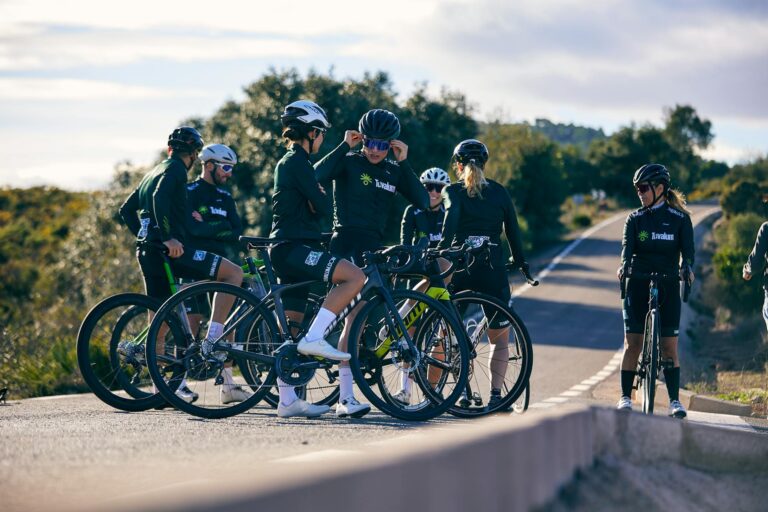
Women’s cycling has gained a lot of attention in recent years, with major events such as the Women’s Tour de France and the Olympics showcasing the incredible talent and athleticism of female cyclists. However, while the sport itself has been evolving and growing, there is still a major disparity in representation for women in sports media. This lack of visibility not only affects the exposure and recognition of female cyclists, but also has a significant impact on the perception of the sport as a whole.
Let’s take a closer look at the current state of female representation in sports media and how it affects the perception of women’s cycling.
The Numbers Don’t Lie
According to a study by the Tucker Center for Research on Girls & Women in Sport, women’s sports receive only 4% of all sports media coverage. This is a shockingly low number considering that women make up nearly half of all sports participants. And when it comes to cycling, the numbers are even more dismal. A study by the Women’s Sports Foundation found that cycling received the least amount of coverage of any Olympic sport.
This lack of coverage not only limits the exposure and recognition of female cyclists, but also perpetuates the idea that women’s sports are less important and less exciting than men’s. It creates a vicious cycle where media outlets are less likely to cover women’s cycling because they believe there is less interest, and as a result, the public is not given the opportunity to fully appreciate and support these athletes.
The Power of Representation
Representation matters. It’s important for young girls and women to see themselves represented in all aspects of society, including in sports media. When they see female athletes being celebrated and given equal coverage, it sends a powerful message that their gender does not limit their potential.
But unfortunately, the lack of representation in sports media can have negative effects on the perception of women’s cycling. When there is little coverage and recognition for female cyclists, it can create the perception that women’s cycling is not as exciting or competitive as men’s. This can lead to a lack of interest and support from the general public, making it difficult for female cyclists to secure sponsorships and funding for their sport.
Breaking Barriers and Changing Perceptions
Despite the challenges, female cyclists have been breaking barriers and making strides in the sport. In 2014, Marianne Vos became the first cyclist, male or female, to win three consecutive road race world championships. And in 2019, Annemiek van Vleuten’s incredible solo victory at La Course by Le Tour de France captivated audiences and showed that women’s cycling is just as thrilling and competitive as men’s.
But these accomplishments often go unnoticed due to the lack of media coverage. This not only does a disservice to these talented athletes, but also perpetuates the idea that women’s cycling is not worth paying attention to.
A Shift in Attitude
However, there has been a shift in recent years with more media outlets giving coverage to women’s cycling. The success of events like La Course and the Women’s Tour de France have shown that there is a demand for women’s cycling and that it can be just as exciting as men’s. And with the rise of social media, female cyclists are taking matters into their own hands, using platforms like Instagram and Twitter to showcase their training and competitions.
It’s also important to note that media coverage of women’s sports is not just a women’s issue, it’s everyone’s issue. It takes a collective effort from both men and women to challenge the status quo and demand equal representation for all athletes.
The Impact of Representation
Increased representation in sports media not only benefits female cyclists, but it also has a positive impact on society as a whole. When girls and women see strong, powerful athletes being celebrated and valued in the media, it can inspire them to pursue their own dreams and break through gender barriers.
Moreover, giving equal coverage to women’s cycling can attract a larger and more diverse audience to the sport. This can lead to increased sponsorships, funding, and support for female cyclists, ultimately helping to grow and elevate the sport.
In the words of cyclist Mara Abbott, “Equal representation in the media is about validating women’s existence and their right to be part of the story.”
The Time for Change is Now
It’s clear that the lack of representation for women in sports media has a significant impact on the perception of women’s cycling. But with the rising popularity of the sport and the determination of female cyclists to break barriers, there is hope for a more equal and inclusive future.
So let’s continue to demand equal coverage and representation for female cyclists in the media. Let’s celebrate their accomplishments and showcase their incredible talent on all platforms. Because when we give women’s cycling the recognition it deserves, we not only empower and inspire female athletes, but we also challenge and change societal perceptions of women’s sports.