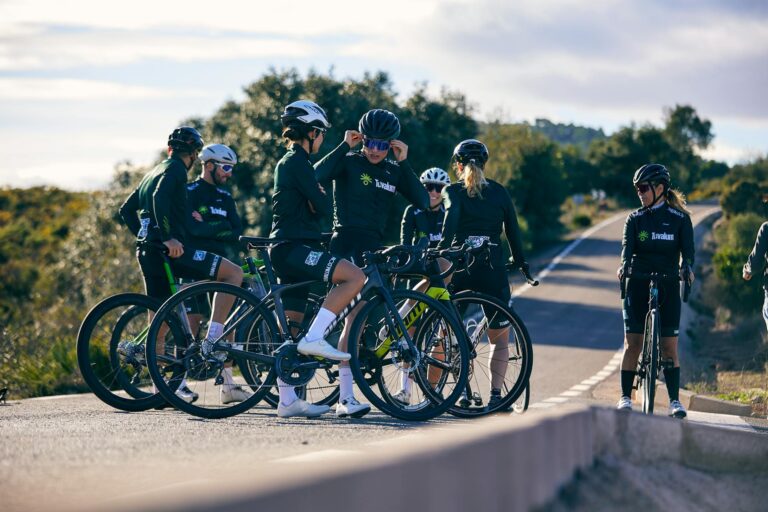
Road bikes and mountain bikes are two distinct types of bicycles that have been designed for specific purposes. While they may seem similar at first glance, there are several key differences between the two. Whether you’re a beginner cyclist or a seasoned pro, it’s important to know the difference in order to choose the right bike for your needs. So buckle up and get ready to explore the world of road and mountain bikes!
1. The Purpose
The most fundamental difference between a road bike and a mountain bike is their intended use. As the name suggests, road bikes are built for riding on smooth, paved surfaces such as roads and bike paths. They are designed for speed and efficiency, making them the go-to choice for recreational or competitive cycling. On the other hand, mountain bikes are built for off-road terrain, with features that allow for better handling and control on rough trails. They are perfect for adventurous outdoor activities like mountain biking and trail riding.
2. Frame Geometry
One of the key differences between road and mountain bikes is their frame geometry. Road bikes typically have a longer and slimmer frame with a curved handlebar that puts the rider in a more aerodynamic position. This design allows for maximum power transfer from the rider’s legs to the pedals, making it easier to maintain high speeds. On the other hand, mountain bikes have a shorter and more upright frame with wider handlebars for better control and balance on rough terrain. The frame is also built to withstand the impact of rocky trails and jumps.
3. Tires
Another significant difference between road and mountain bikes is their tires. Road bikes have thin, narrow tires with minimal tread that provide less rolling resistance on smooth surfaces. This allows for higher speeds and easier navigation on paved roads. On the other hand, mountain bikes have wider tires with a substantial amount of tread for better grip and traction on uneven terrain. These tires also provide shock absorption, making them ideal for off-road adventures.
4. Suspension
When it comes to suspension, road and mountain bikes are worlds apart. Road bikes usually have no suspension or minimal front suspension, as they are designed for speed and efficiency on smooth surfaces. This means that they are not suitable for rough trails or jumps. On the other hand, mountain bikes come equipped with full suspension systems, making them ideal for absorbing the impact of uneven surfaces and providing a smoother ride on bumpy trails.
5. Gearing
Gearing is another crucial factor that sets road and mountain bikes apart. Road bikes have a wide range of gears with a higher number of teeth on the rear cassette, allowing for faster speeds on flat roads. This also makes it easier to maintain a consistent pedaling cadence. Mountain bikes, on the other hand, come with lower gear ratios with smaller cassettes and larger chainrings. This allows for better torque and power when climbing steep inclines or navigating through rocky terrain.
So which one is right for you?
Now that you know the key differences between road and mountain bikes, it’s time to decide which one is the right fit for you. If you’re someone who enjoys long rides on smooth roads and wants to focus on speed and endurance, then a road bike is your best bet. But if you’re an adrenaline junkie who loves exploring rough terrain and challenging yourself with jumps and obstacles, then a mountain bike is the way to go.
In conclusion, while road and mountain bikes may seem similar at first glance, they are designed for completely different purposes. So before you hit the trails or the roads, make sure to choose the right bike for your needs. And who knows, with the right bike, you may just discover a whole new world of cycling that you never knew existed! Happy riding!