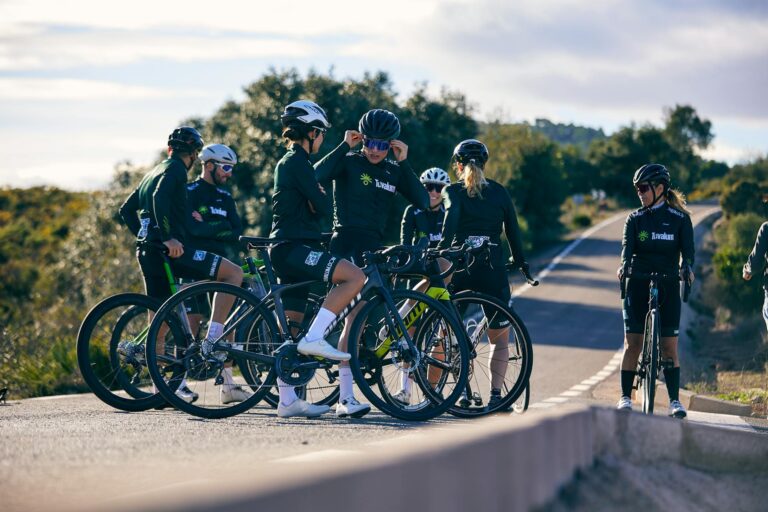
Clipless pedals or flat pedals? This has been a hotly contested debate among cyclists for years. Some swear by clipless pedals, while others wouldn’t dream of riding without their trusty flat pedals. But what’s the real difference between these two types of pedals, and which one is truly the ultimate choice for all cyclists? Let’s dive in and find out.
First things first, what are clipless pedals and flat pedals? Clipless pedals, despite their name, actually involve clipping in. They consist of a special shoe with a cleat on the bottom that attaches to the pedal, creating a secure connection between your foot and the bike. Flat pedals, on the other hand, have a larger surface area and allow you to simply place your foot on top without any attachment. Sounds pretty straightforward, right? Well, it’s not that simple.
Advocates for clipless pedals often argue that they provide a more efficient and powerful pedal stroke. With your foot securely attached to the pedal, you are able to pull up on the upstroke as well as push down on the downstroke, making the most out of each pedal revolution. This can result in increased speed and improved performance, especially during races or challenging terrain.
Another benefit of clipless pedals is that they offer a sense of stability and control. When riding in technical or bumpy terrain, your feet are less likely to slip off the pedals, allowing you to maintain control of the bike. This can be crucial for mountain bikers or road cyclists tackling tough climbs.
On the other hand, flat pedal enthusiasts argue that they provide a more natural and comfortable riding experience. With no attachments or restrictions, your feet are free to move around and adjust as needed. This can be particularly beneficial for longer rides as it reduces the risk of numbness or discomfort in your feet.
Flat pedals also offer a lower barrier of entry for beginner cyclists. Clipless pedals require a certain level of skill and confidence to clip in and out, which can be intimidating for new riders. Flat pedals allow beginners to focus on improving their overall biking skills without the added pressure of clipping in and out.
But what about injuries? Clipless pedals have been known to cause falls and injuries due to not being able to quickly disengage from the bike. Flat pedals, on the other hand, allow for a quick and easy escape if needed, reducing the risk of injury. However, this argument can be countered by the fact that with proper practice and technique, clipping in and out of clipless pedals becomes second nature, reducing the likelihood of falls and injuries.
So which one is the better choice? The truth is, it ultimately comes down to personal preference and riding style. Both clipless and flat pedals have their pros and cons, and different riders may find one to be more suitable for their needs.
Some cyclists even choose to use a combination of both types of pedals. They may use clipless pedals for road or race cycling but switch to flat pedals for mountain biking or leisure rides. This allows for versatility and the ability to adapt to different riding situations.
One thing that cannot be denied is that both types of pedals have their own set of dedicated fans who are passionate about their preferred choice. This has led to some hilarious debates and memes on social media, with each side defending their pedals with vigor.
But at the end of the day, the most important thing is that you enjoy your ride. Whether you choose clipless or flat pedals, as long as you’re out there pedaling and having fun, that’s all that matters.
So, clipless or flat? The answer is…both! There is no one-size-fits-all answer to this debate. It all boils down to what works best for you and your riding style. So go out there and pedal away, no matter what type of pedals you choose. And who knows, maybe one day we’ll all look back and laugh at how seriously we debated over something as simple as pedals. Happy riding!