Bike handling skills are essential for any cyclist, whether you’re a beginner or a seasoned pro. They not only help you ride more confidently and efficiently, but they also keep you safe on the road. But mastering bike handling techniques takes practice and patience.
So, if you’re looking to improve your bike handling skills and take your cycling to the next level, we’ve got you covered. Here are the best ways to improve your bike handling skills and technique:
1. Start with the basics
Before you can tackle more advanced bike handling techniques, it’s important to have a solid foundation. This means mastering the basics, such as balancing, steering, and braking. These skills may seem simple, but they form the building blocks for more complex maneuvers.
To practice balancing, start by standing still on your bike with one foot on the pedal and the other foot on the ground. Slowly shift your weight from one foot to the other, keeping your balance. As you get more comfortable, try doing this while moving.
For steering, practice riding in a straight line while looking ahead and keeping your arms relaxed. To brake effectively, use both your front and rear brakes together, gradually applying pressure to avoid skidding.
2. Ride in different conditions
One of the best ways to improve your bike handling skills is to ride in different conditions. This includes riding on different terrains, in different weather conditions, and in different traffic situations. By exposing yourself to a variety of situations, you will learn how to adapt your bike handling skills accordingly.
For example, riding on gravel roads will require a different approach than riding on smooth pavement. Similarly, riding in wet weather or windy conditions will challenge your balance and control. And riding in traffic will require you to be more aware of your surroundings and make split-second decisions.
3. Practice cornering
Cornering is an essential skill for cyclists, as it allows you to navigate turns smoothly and efficiently. To improve your cornering technique, start by approaching the corner at a reasonable speed. As you enter the turn, lean your bike into the corner and maintain your balance by keeping your outside pedal down.
It’s also important to look through the turn in the direction you want to go. This will help you maintain your line and avoid any obstacles. Practice cornering on different types of turns, from sharp hairpins to sweeping curves, to get a feel for how your bike handles in different situations.
4. Learn how to descend
Descending can be a nerve-wracking experience, especially if you’re going downhill at high speeds. But with the right technique, you can handle descents with confidence and control. To descend safely, start by shifting your weight towards the back of the bike and gripping the handlebars firmly.
As you descend, keep your body relaxed and your eyes focused ahead. Use your brakes to control your speed, but avoid braking too hard, as this can cause your wheels to lock up. By practicing descending on different types of terrain, you will become more comfortable and confident in your abilities.
5. Ride with a group
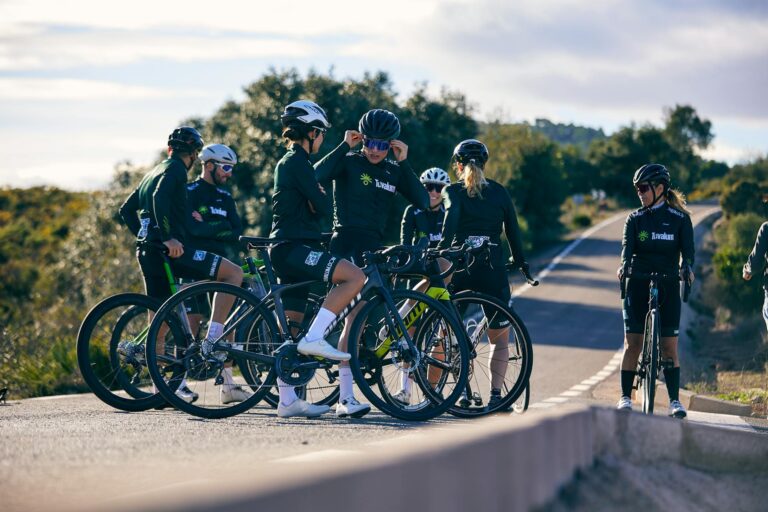
Riding with a group is not only fun and social, but it’s also a great way to improve your bike handling skills. Riding in a group requires you to be aware of your surroundings, communicate with others, and anticipate their movements. This will help you become a more well-rounded cyclist and improve your bike handling techniques.
Additionally, riding in a group can also push you to ride faster and tackle new challenges. Just make sure to ride with a group that is at a similar skill level as you, and always follow proper group riding etiquette.
6. Cross-train
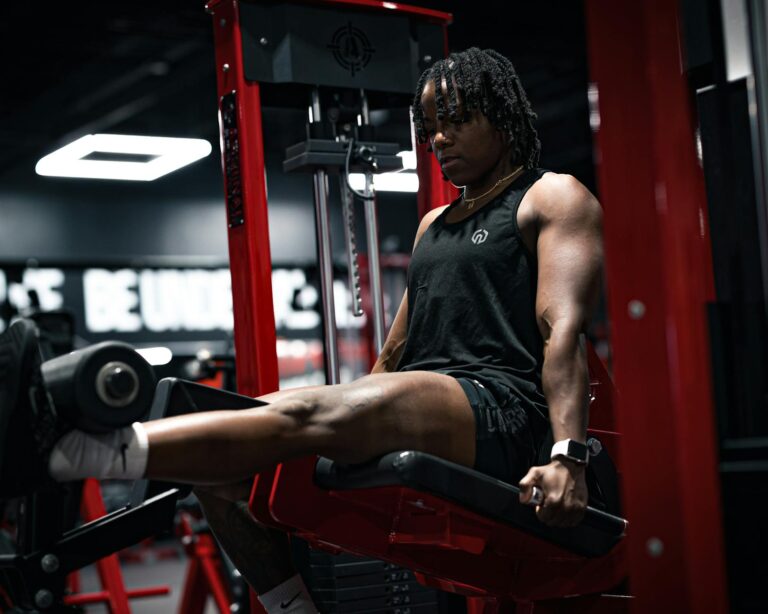
Cross-training may not seem like an obvious way to improve your bike handling skills, but it can have a significant impact on your cycling abilities. Activities such as yoga, pilates, and strength training can help you develop better balance, flexibility, and core strength, which are all crucial for bike handling.
Furthermore, cross-training can also help prevent injuries and improve your overall fitness, making you a stronger and more capable cyclist.
7. Don’t be afraid to push your limits
Finally, the key to improving your bike handling skills is to not be afraid to push your limits. It’s natural to feel hesitant or scared when attempting new techniques or riding in challenging conditions. But by taking calculated risks and gradually pushing yourself out of your comfort zone, you will become a more skilled and confident cyclist.
However, it’s important to always prioritize safety and never attempt anything beyond your skill level. It’s okay to take things slow and work your way up to more challenging maneuvers.
In conclusion, improving your bike handling skills takes time and practice. By starting with the basics, riding in different conditions, and constantly challenging yourself, you will become a more skilled and confident cyclist. So, get out there, have fun, and keep pedaling!