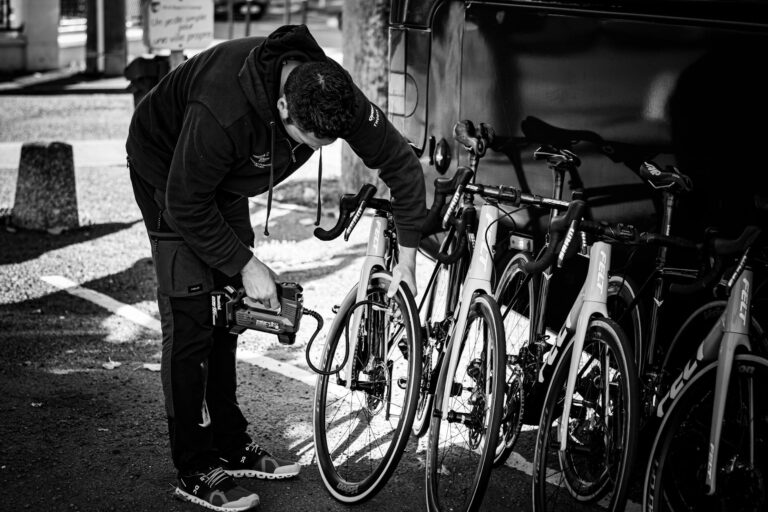
The best way to wash and protect your bicycle in spring is to perform a thorough two-stage cleaning process: first, a complete wash using a dedicated bike-specific cleaner and soft brushes to remove winter grime, followed by a protective treatment of the frame, drivetrain, and components with appropriate lubricants and sealants. This approach removes the corrosive salt, road chemicals, and accumulated debris from winter riding while creating a barrier against spring rain and mud. For example, a cyclist who stored their bike after a few wet winter commutes might find a film of dried salt residue on their frame and chain””this residue continues corroding metal even in storage, making spring cleaning not just cosmetic but essential for preventing component failure.
This article covers the complete spring bicycle maintenance routine, from assessing your bike’s condition after winter to selecting the right cleaning products and protective treatments. You will learn the proper sequence for washing different components, which areas require special attention, and how to avoid common mistakes that can actually damage your bike during cleaning. We also address the differences between cleaning a road bike versus a mountain bike, how often to repeat this process through spring, and what professional mechanics recommend for long-term protection.
Table of Contents
- Why Does Spring Require Special Bicycle Washing and Protection Methods?
- Selecting the Right Cleaning Products for Your Bicycle
- The Proper Sequence for Washing Bicycle Components
- Protecting Your Bicycle Frame and Components After Washing
- Common Mistakes That Damage Bicycles During Spring Cleaning
- Maintaining Protection Throughout the Spring Season
- How to Prepare
- How to Apply This
- Expert Tips
- Conclusion
- Frequently Asked Questions
Why Does Spring Require Special Bicycle Washing and Protection Methods?
spring cleaning for bicycles differs fundamentally from routine maintenance washing because you are dealing with accumulated contamination rather than fresh dirt. Winter riding exposes your bike to road salt, chemical de-icers, sand, and grime that bonds to surfaces over months. Even if your bike sat in storage, humidity fluctuations can cause condensation that promotes rust on chains, cables, and steel components. The goal of spring washing is not just cleanliness but remediation of potential damage that has already begun. The chemistry matters here. Road salt is hygroscopic, meaning it attracts moisture from the air and holds it against metal surfaces, accelerating oxidation.
A bike that looks dry in your garage may have salt crystals embedded in cable housings, around spoke nipples, and inside the chain links. Standard hosing will not dissolve all of this””you need a cleaning agent that can break down these deposits and penetrate tight spaces. This is why spring cleaning takes longer and requires more deliberate technique than a quick post-ride rinse. Temperature also plays a role in spring washing effectiveness. Cleaning products work better when temperatures are above fifty degrees Fahrenheit, but washing in direct hot sunlight causes soap to dry before you can rinse it, leaving residue. The ideal spring washing condition is a mild, overcast day between fifty-five and seventy degrees””warm enough for effective cleaning chemistry but cool enough to work at your own pace without products drying prematurely.
Selecting the Right Cleaning Products for Your Bicycle
Choosing cleaning products involves understanding what you are trying to remove and what surfaces you are cleaning. Bike-specific cleaners are formulated to be safe on rubber seals, anodized aluminum, carbon fiber, and decals while still cutting through grease and road grime. Household degreasers like Simple Green or dish soap can work in a pinch, but they often require more rinsing and can strip protective coatings or dry out rubber seals with repeated use. Dedicated bike wash from brands like Muc-Off, Finish Line, or Pedro’s is pH-balanced for bicycle materials. For drivetrain cleaning, you need a separate degreaser stronger than general bike wash. The chain, cassette, and chainrings accumulate a paste of old lubricant mixed with road contamination that general cleaners cannot fully dissolve.
However, if you use automotive brake cleaner or aggressive solvents, you risk damaging plastic pulley wheels, removing factory grease from sealed bearings, and degrading the rubber seals that keep water out of bottom brackets and hubs. Stick to degreasers marketed for bicycle use, and always rinse thoroughly. A comparison between spray-on and bucket-wash methods reveals tradeoffs. Spray-on foaming cleaners are convenient and reduce the amount of water needed, making them suitable for apartment dwellers or those without hose access. Bucket washing with a dedicated bike soap allows more control and thorough rinsing but uses more water and requires more equipment. For spring deep cleaning specifically, the bucket method typically delivers better results because you can agitate surfaces with brushes and rinse more completely.
The Proper Sequence for Washing Bicycle Components
Order matters when washing a bicycle because you want to avoid recontaminating clean surfaces. Start with the drivetrain””chain, cassette, chainrings, and derailleurs””since this is the dirtiest part of the bike. Apply degreaser, let it penetrate for two to three minutes, then scrub with a stiff brush. Rinse thoroughly before moving to the frame. If you wash the frame first, degreaser and grime from the drivetrain will splatter onto your clean frame during scrubbing. After the drivetrain, work from top to bottom on the frame and components.
Spray or sponge cleaner onto the handlebars, stem, and top tube, then work down to the down tube, seat tube, and finally the wheels. This prevents dirty runoff from upper surfaces from soiling areas you have already cleaned. Pay special attention to areas where cables enter the frame, around the bottom bracket shell, and inside the fork crown””these are collection points for grime that casual cleaning misses. Wheels deserve individual attention beyond the frame wash. Remove them from the bike if possible to access the hub flanges and spoke nipples thoroughly. The braking surface on rim-brake wheels needs to be completely free of oily residue, so clean it separately with rubbing alcohol after the general wash. For disc brakes, avoid getting any cleaner or lubricant on the rotors or pads””contaminated disc brake pads cannot be fully cleaned and often need replacement.
Protecting Your Bicycle Frame and Components After Washing
Protection follows cleaning, and the products you apply depend on the material and location. For painted or powder-coated steel and aluminum frames, a spray wax or bike polish creates a hydrophobic layer that repels water and makes future cleaning easier. Carbon fiber frames benefit from the same treatment, though you should avoid polishes containing petroleum distillates, which can theoretically weaken epoxy resins over time””look for carbon-safe formulations. Frame protection is largely about convenience for future maintenance, but drivetrain protection directly affects performance and component lifespan. After degreasing and drying your chain, apply a lubricant matched to your spring riding conditions. Wet lube lasts longer in rainy conditions but attracts more dirt; dry lube stays cleaner but washes off quickly in wet weather.
For typical spring conditions with occasional rain, a wet lube applied sparingly is usually the better choice. The tradeoff is that you will need to clean the drivetrain more frequently to prevent the buildup that wet lube encourages. Cable housings and pivot points need attention too. Spray a light lubricant into shift and brake housing ferrules where cables enter. Apply a drop of oil to derailleur pivot points and brake caliper springs. These areas are easy to overlook but directly affect shifting crispness and braking response. However, avoid over-lubricating””excess oil attracts dirt and can contaminate brake pads if it migrates.
Common Mistakes That Damage Bicycles During Spring Cleaning
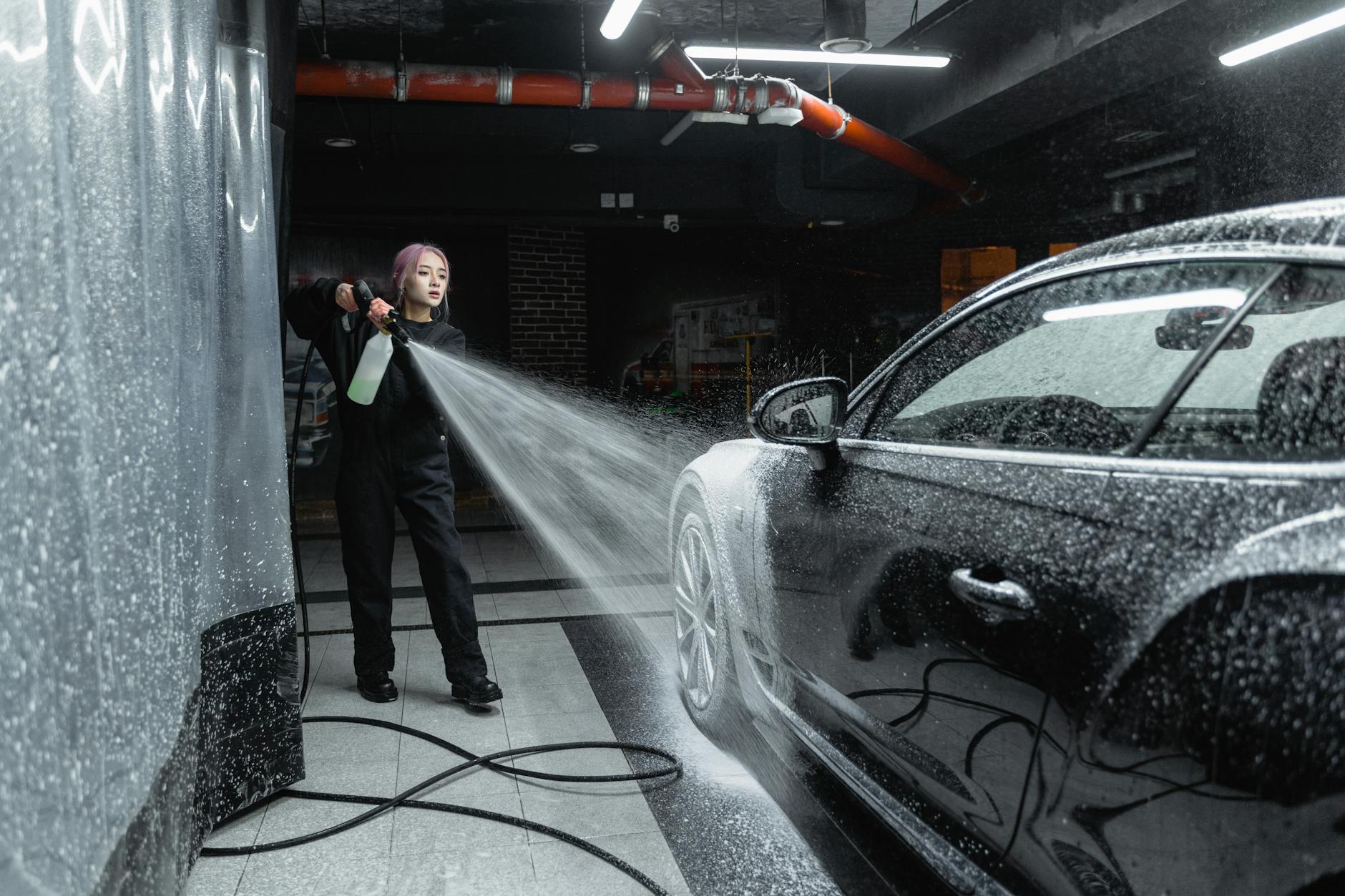
The most frequent spring cleaning error is using a pressure washer or high-pressure hose nozzle. While it seems efficient, high-pressure water forces its way past seals in hubs, bottom brackets, headsets, and suspension components, displacing grease and causing premature bearing failure. Professional race mechanics use pressure washers because teams replace bearings frequently anyway and value speed over longevity. Home mechanics should use a garden hose with a standard spray nozzle””enough pressure to rinse effectively but not enough to penetrate seals. Another common mistake is neglecting to dry the bike before lubricating. Water trapped in chain links dilutes lubricant and prevents it from penetrating where it is needed.
After washing, bounce the bike gently to shake water from chain links and shift through all gears to help the chain articulate and release trapped moisture. Wipe the chain with a dry rag, then ideally let the bike sit for an hour before applying lubricant. Applying lube to a wet chain is one of the most common causes of poor chain lubrication despite regular maintenance. Forgetting to check for damage while cleaning is a missed opportunity. Spring cleaning is the ideal time to inspect your frame for cracks, chips, or corrosion that developed over winter. Check where tubes meet at the head tube and bottom bracket, look for cracks at dropout and derailleur hanger interfaces, and inspect wheel rims for wear indicators if you use rim brakes. A crack found during spring cleaning can be addressed before it becomes a failure during a ride.
Maintaining Protection Throughout the Spring Season
Initial spring cleaning sets the baseline, but maintaining protection requires attention throughout the season. Spring rain and mud recontaminate bikes quickly, so plan for abbreviated maintenance between rides. A quick wipe-down of the frame and chain after wet rides takes five minutes and extends the intervals between full washes.
Keep a dedicated rag for the drivetrain and another for the frame to avoid spreading chain grime. For example, a rider who commutes through spring showers might wipe the chain and reapply lubricant every two to three rides, perform a quick bucket wash every two weeks, and do a full deep clean monthly. A weekend recreational rider in dry conditions might only need a monthly maintenance wash with spot lubrication between rides. Adjust your schedule to your actual riding conditions rather than following arbitrary timelines.
How to Prepare
- **Assemble your cleaning supplies in one location.** You will need bike wash or soap, drivetrain degreaser, a bucket, a soft sponge or mitt, brushes in various sizes (including one stiff brush for the drivetrain), clean rags, and a hose with a gentle spray nozzle. Also have your post-wash supplies ready: chain lubricant, frame polish or protectant, and any cable or suspension lubricants.
- **Set up a cleaning station with drainage.** Work on grass, gravel, or a concrete surface where dirty water can drain away without environmental concern. If using a bike stand, position it so you can access both sides of the bike and rotate the wheels freely.
- **Shift the bike into specific gears before washing.** Shift the rear derailleur to the smallest cog and the front to the smallest chainring. This position provides the most chain slack, making cleaning easier and reducing stress on the drivetrain.
- **Remove accessories and bags that impede access.** Take off saddlebags, frame bags, computers, and lights. These items can trap water and grime underneath if left in place, and some electronics should not be exposed to direct water spray.
- **Do a preliminary dry wipe to remove loose debris.** Use an old rag to wipe heavy mud or loose dirt from the frame and wheels before wetting the bike. This prevents turning dry dirt into an abrasive slurry during washing. Warning: Skipping this step on a very dirty bike means you will be grinding grit across paint and anodized surfaces with your sponge.
How to Apply This
- **Start with the chain while the bike is still in a work stand.** Apply lubricant to the inside of the chain while slowly backpedaling to distribute it across all links. Let it penetrate for five minutes, then shift through all gears to work the lubricant into the rollers. Wipe excess from the chain exterior with a clean rag.
- **Apply frame protectant or polish with a microfiber cloth.** Spray polish onto the cloth rather than directly onto the frame to avoid overspray on brake surfaces. Wipe in straight lines following the tube direction, then buff with a dry section of the cloth.
- **Lubricate cables and pivot points with targeted application.** Use a precision applicator or drip bottle to place small amounts of lubricant at cable housing entry points and derailleur pivots. Actuate the brakes and shifters several times to work lubricant into the cables.
- **Treat rubber and plastic components separately.** Apply a UV protectant to tires, handlebar grips, and saddle covers to prevent drying and cracking from sun exposure. Use a different product than frame polish””tire shine products are formulated for rubber, while frame polish may leave rubber slippery.
Expert Tips
- Inspect brake pads and rotors for contamination after washing. Even careful cleaning can transfer residue to braking surfaces, causing squealing or reduced stopping power. Clean rotors with isopropyl alcohol as a final step.
- Do not lubricate a chain that still has degreaser residue. Degreaser remaining on the chain will break down fresh lubricant immediately. Rinse thoroughly and dry completely before applying any lube.
- Replace cable housing end caps and ferrules if they show corrosion during cleaning. These inexpensive parts protect cable ends and housing from water intrusion; corroded ones allow contamination into the cable system.
- Store protective products away from extreme temperatures. Spray polishes and lubricants stored in freezing garages or hot cars can separate or degrade, reducing their effectiveness.
- Consider the age of your chain when deciding whether to deep clean or replace. A chain that has stretched beyond wear limits will not benefit from cleaning””the contamination has already caused the damage. Measure chain wear before investing time in thorough degreasing.
Conclusion
Spring bicycle washing and protection is a deliberate process that goes beyond simple cleaning to address the accumulated effects of winter conditions on your bike’s components. The key steps include using appropriate bike-specific products, washing in the correct sequence from drivetrain to frame, avoiding pressure washers that damage bearings, and applying protection products after the bike is fully dry. This annual deep clean establishes a baseline of protection that makes regular maintenance easier throughout the riding season.
Moving forward, build on your spring cleaning by establishing a maintenance rhythm matched to your riding conditions. Keep your cleaning supplies accessible for quick post-ride wipe-downs, monitor your chain for signs of contamination between washes, and address minor issues before they compound. A bike that receives proper spring preparation and consistent attention rewards you with reliable performance and a longer component lifespan.
Frequently Asked Questions
How long does it typically take to see results?
Results vary depending on individual circumstances, but most people begin to see meaningful progress within 4-8 weeks of consistent effort. Patience and persistence are key factors in achieving lasting outcomes.
Is this approach suitable for beginners?
Yes, this approach works well for beginners when implemented gradually. Starting with the fundamentals and building up over time leads to better long-term results than trying to do everything at once.
What are the most common mistakes to avoid?
The most common mistakes include rushing the process, skipping foundational steps, and failing to track progress. Taking a methodical approach and learning from both successes and setbacks leads to better outcomes.
How can I measure my progress effectively?
Set specific, measurable goals at the outset and track relevant metrics regularly. Keep a journal or log to document your journey, and periodically review your progress against your initial objectives.
When should I seek professional help?
Consider consulting a professional if you encounter persistent challenges, need specialized expertise, or want to accelerate your progress. Professional guidance can provide valuable insights and help you avoid costly mistakes.
What resources do you recommend for further learning?
Look for reputable sources in the field, including industry publications, expert blogs, and educational courses. Joining communities of practitioners can also provide valuable peer support and knowledge sharing.