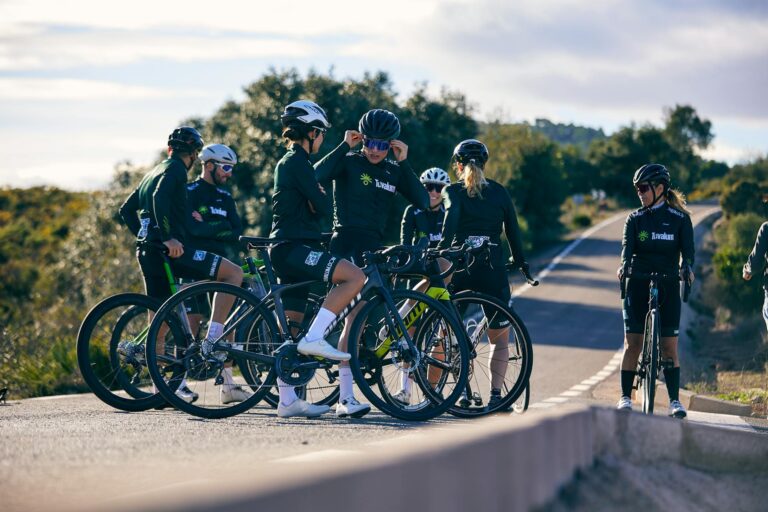
Winter biking may seem like an extreme sport, reserved only for the most hardcore adrenaline junkies. But the truth is, with the right gear, it can be a fun and practical mode of transportation during the colder months. As someone who has been biking through the winter for years, I’ve learned a thing or two about the best gear to keep you warm, safe, and comfortable on your daily rides. So grab your hot cocoa and let’s dive into the world of winter biking gear!
1. The Right Bike
First things first, you need a bike that can handle the winter terrain. While any bike can technically be used for winter biking, there are some features that make certain bikes better suited for the job. Look for a bike with wider tires, as they provide better traction on snowy or icy roads. Fat bikes, with their oversized tires, are a popular choice for winter biking. They also have disc brakes, which perform better in wet and cold conditions. If you’re not ready to invest in a new bike, consider swapping out your regular tires for studded ones to improve grip on slippery surfaces.
2. Layers, Layers, Layers
The key to staying warm while winter biking is layering. It’s important to have multiple layers of clothing so you can add or remove them as needed. Start with a base layer made of a moisture-wicking fabric, such as merino wool or synthetic materials. These will keep you dry and warm by pulling sweat away from your body. Next, add an insulating layer made of fleece or down to trap heat and keep you cozy. Finally, top it off with a windproof and waterproof outer layer to protect you from the elements.
3. Winter-specific Accessories
Along with layers, there are some essential accessories that will make your winter biking experience more comfortable. A balaclava or face mask will keep your face and neck warm and protect them from windburn. Gloves or mittens with a waterproof and windproof outer layer are a must to keep your hands warm and dry. And don’t forget about your feet! Invest in a good pair of winter cycling shoes or add wool socks to your regular cycling shoes for extra warmth.
4. Lights and Reflective Gear
Winter days are shorter, meaning more of your rides will be in the dark. It’s important to have proper lighting on your bike to make sure you’re visible to cars and other cyclists. Invest in good quality front and rear lights, and consider adding reflective tape or clothing to increase your visibility. This will not only keep you safe, but it’s also a legal requirement in many places.
5. Fenders and Mudguards
One of the biggest challenges of winter biking is dealing with slush, snow, and road salt getting kicked up by your tires. This not only makes for a messy ride, but it can also damage your bike over time. Installing fenders or mudguards on your bike will help keep you and your bike clean and dry. Look for fenders that are specifically designed for winter biking, as they will be wider and longer to provide better coverage.
6. Proper Tires
As mentioned earlier, having the right tires can make all the difference when winter biking. In addition to wider tires, consider investing in studded tires for added grip on icy roads. If you’re not ready to commit to studded tires, there are also some DIY options, such as adding zip ties to your regular tires. Just make sure to do your research and practice riding with them before heading out on the roads.
7. Tool Kit
Winter biking can be tough on your bike, so it’s important to be prepared for any mechanical issues that may arise. Make sure to carry a basic tool kit with you, including a spare tube, tire levers, and a multi-tool. It’s also a good idea to have a portable air pump or CO2 inflator in case you need to fix a flat on the go. Nothing ruins a winter ride more than being stuck with a flat tire in freezing temperatures!
8. Stay Hydrated
It’s easy to forget about staying hydrated during the winter, as we often associate dehydration with hot weather. But the truth is, you can still become dehydrated in cold weather, especially if you’re sweating under all those layers. Make sure to drink plenty of water before and after your ride, and consider investing in an insulated water bottle to keep your water from freezing.
9. Plan Your Route
Winter biking can be challenging, so it’s important to plan your route carefully. Stick to well-lit and well-maintained roads, and avoid routes with steep hills or sharp turns. It’s also a good idea to have a backup plan in case the weather takes a turn for the worse. Have a list of indoor places, such as coffee shops or libraries, where you can take shelter if needed.
10. Have Fun!
Last but not least, remember to have fun! Winter biking may seem daunting at first, but with the right gear and mindset, it can be a refreshing and enjoyable experience. So put on your warmest layers, hop on your bike, and embrace the beauty of winter while getting some exercise and reducing your carbon footprint.
As with any outdoor activity, safety should always be a top priority when winter biking. Make sure to check weather conditions before heading out, and always listen to your body. If it’s too cold or icy, it’s okay to skip a ride and stay home. But with the right gear and precautions, winter biking can be a rewarding and fantastic way to stay active during the colder months. So bundle up and hit the road – the winter wonderland awaits!