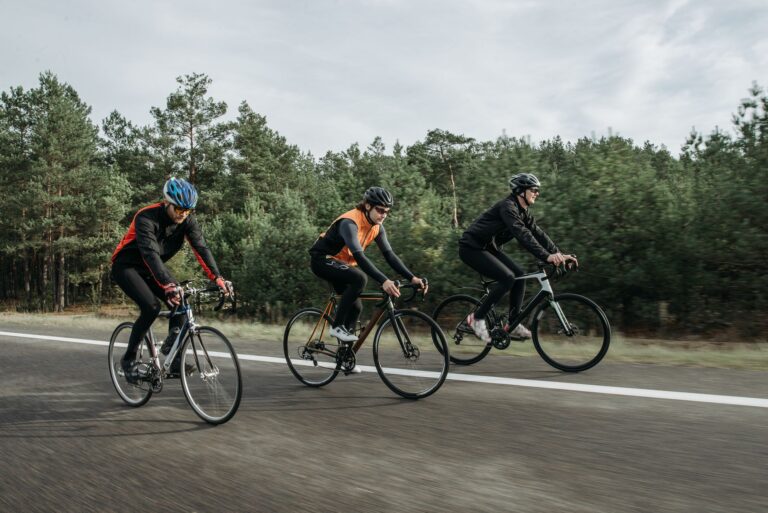
A road bike needs tire, drivetrain, brake, fender, and light checks before cold rides. Check pressure, clean and lube the chain, wipe braking surfaces, block spray, and verify lights. The drivetrain, the chain and gears that drive the rear wheel, suffers first from salt and wet grit. Cold also drops tire pressure and weakens light batteries, so a short pre-ride routine prevents flats, wear, and low visibility.
Table of Contents
- What should you check on tires?
- How do you keep the chain working in salt and wet?
- How do you protect brakes from winter grit?
- Do full fenders help the bike?
- Are your lights ready for short days?
What should you check on tires?
Check tire pressure before every cold ride. Bike New York advises inflating to the pressure molded on the tire sidewall, because under-inflation increases flats and reduces control, in Bike New York maintenance advice.
Expect cold air to lower the gauge reading. VeloPro reports about 5-10 PSI loss, with an 80 PSI garage fill at 70°F falling to about 73 PSI at 30°F, so recheck weekly, in VeloPro winter checklist.
- Confirm sidewall pressure target
- Measure cold pressure with a gauge
- Inflate, then recheck weekly
How do you keep the chain working in salt and wet?
Clean and degrease the drivetrain after wet or salty rides. British Cycling, in advice from GB Head Mechanic Mike Norris, recommends then applying wet lube for winter and wiping excess to limit grit buildup, in British Cycling commuting guide. Excess lube collects road grit.
Wipe the chain after application so the outer plates feel almost dry. Park Tool says its CL-1.2 chain lube penetrates, reduces friction, displaces moisture, and protects chains and cables from rust and corrosion in wet or dry conditions. Use a winter-suitable wet lube and repeat after exposure.
How do you protect brakes from winter grit?
Inspect brakes before each cold ride. VeloPro warns that winter grit acts like sandpaper and wears pads faster. Wipe rims, pads, or discs after wet rides.
That removes salty film and small particles before the next stop. Replace thin or glazed pads before a cold spell. Braking distances grow on cold, damp roads.
Do full fenders help the bike?
Fit compatible full fenders with tire clearance. Bicycle New England and VeloPro point to fenders that block salt-water spray from the rear wheel. That spray reaches the chain, brakes, and bottom bracket.
Less spray means less cleaning and slower wear. Check clearance after fitting. The tire should spin freely without rubbing the fender.
Are your lights ready for short days?
Mount an unobstructed white front light and red rear light. Bicycle New England advises verifying mounts and charge with runtime margin, because short days cut visibility and cold weakens batteries, in Bicycle New England winter guide.
Aim the front light forward, not into the ground. Carry extra charge for a longer return trip.