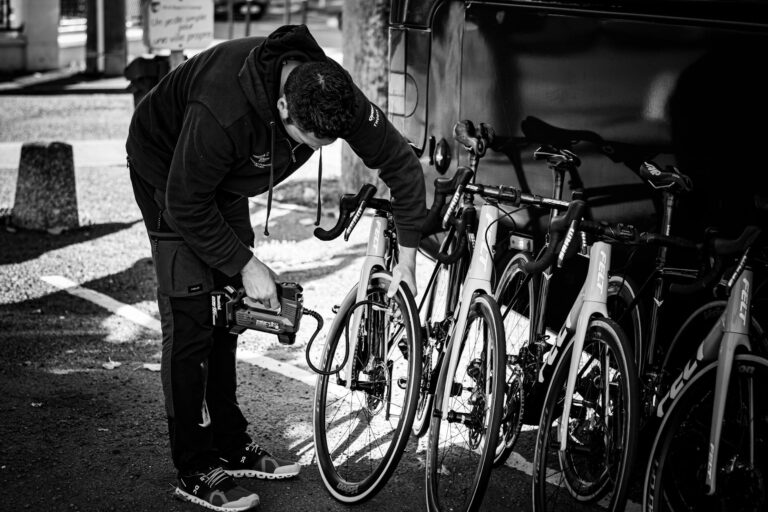
Preparing your bicycle for longer spring distances requires a systematic inspection of five critical areas: drivetrain cleanliness, tire condition, brake function, fit adjustments, and proper lubrication. After months of winter storage or reduced riding, components that seemed fine in autumn may have developed issues that only reveal themselves under the sustained stress of longer efforts. A thorough pre-season preparation takes roughly two to three hours but prevents the mechanical failures and discomfort that derail spring training goals.
Consider the common scenario of a rider who stored their bike in a garage over winter, only to discover on their first forty-mile ride that the chain has developed stiff links from dried lubricant, the rear derailleur cable has stretched just enough to cause ghost shifting under load, and the bar tape has hardened to the point of causing hand numbness. Each of these problems was preventable with proper spring preparation, and each becomes more pronounced as ride distances increase. This article covers the complete process of readying your bicycle for extended spring riding, from mechanical inspection and maintenance to fit considerations that matter more as saddle time increases. You will learn how to identify worn components before they fail, understand the relationship between riding position and endurance comfort, and develop a pre-ride checklist that ensures reliability on longer routes.
Table of Contents
- Why Does Your Bicycle Need Special Preparation for Spring Distance Riding?
- Drivetrain Inspection and Maintenance for Extended Mileage
- Tire and Wheel Readiness for Longer Routes
- Adjusting Your Fit for Endurance Comfort
- Brake and Safety System Verification
- Accessory and Nutrition Carrying Capacity
- How to Prepare
- How to Apply This
- Expert Tips
- Conclusion
- Frequently Asked Questions
Why Does Your Bicycle Need Special Preparation for Spring Distance Riding?
spring distance riding places fundamentally different demands on both bicycle and rider compared to short winter maintenance rides or indoor training. Sustained efforts over two, three, or four hours expose marginal mechanical issues that remain hidden during brief spins around the block. A brake pad with adequate material for thirty-minute rides may overheat and fade during a long descent; a chain operating at ninety-two percent efficiency rather than ninety-eight percent translates to measurably more fatigue over fifty miles. The seasonal transition itself creates preparation needs. Bicycles stored in garages experience temperature fluctuations that affect tire rubber, cable housing, and lubricant viscosity. Humidity cycles cause corrosion on steel components even without direct water exposure.
Hydraulic brake fluid absorbs moisture over time, lowering its boiling point and compromising performance during extended descending. These winter effects accumulate invisibly but manifest suddenly under spring riding loads. Comparing a well-prepared bicycle to a neglected one reveals measurable differences. Chain efficiency alone can vary by six to eight percent between a clean, properly lubricated drivetrain and one with contaminated lubricant and worn components. On a four-hour ride averaging two hundred watts, this inefficiency costs roughly twelve to sixteen watts””equivalent to the benefit of significant aerodynamic improvements or several pounds of weight reduction. The preparation investment pays dividends in both performance and reliability.
Drivetrain Inspection and Maintenance for Extended Mileage
The drivetrain deserves primary attention because it directly converts your effort into forward motion and provides immediate feedback when problems exist. Begin by measuring chain wear using a chain checker tool; most chains should be replaced when they reach 0.5 percent elongation for eleven and twelve-speed systems, or 0.75 percent for systems with fewer gears. A chain measuring beyond these thresholds accelerates cassette and chainring wear, potentially requiring replacement of all three components rather than just the chain. Thorough drivetrain cleaning requires removing the chain for proper degreasing, though quick-link technology makes this straightforward on modern bicycles. Clean the cassette teeth with a brush and solvent, inspect chainring teeth for shark-finning that indicates wear, and examine jockey wheels for lateral play or frozen bearings.
Apply fresh lubricant appropriate to your spring riding conditions””wet lubricant for rainy climates, dry lubricant for dusty environments, or wax-based treatments for maximum cleanliness and efficiency. However, if your bicycle has been ridden consistently through winter without extended storage, the maintenance approach differs. Winter-ridden drivetrains accumulate road salt and grit that embeds in lubricant and accelerates wear. These bikes often need more aggressive degreasing and may require component replacement despite lower mileage. Conversely, a bicycle stored clean and dry may need only fresh lubricant and a function check. Assess actual condition rather than following a calendar-based replacement schedule.
Tire and Wheel Readiness for Longer Routes
Tires represent your primary contact with the road and your first line of defense against ride-ending mechanicals. Spring preparation involves both inspection of existing tires and consideration of whether different rubber better suits longer distance goals. Examine sidewalls for cracking that indicates rubber degradation, check tread for embedded glass or wire fragments that may work through to the tube, and assess remaining tread depth on rear tires that wear faster than fronts. Wheel inspection goes beyond tire condition. Spin each wheel in the frame while watching the gap between rim and brake pad; lateral wobbles exceeding two millimeters indicate the need for truing.
Check spoke tension by squeezing parallel pairs””significant tension differences suggest the wheel needs professional attention. For tubeless setups, spring is the time to remove old sealant, clean the tire interior, and add fresh sealant that provides reliable puncture protection for the coming season. A specific example illustrates the importance of tire selection for distance: a rider using twenty-three-millimeter tires at one hundred twenty PSI for criterium racing would suffer on a century ride. Switching to twenty-eight-millimeter tires at eighty-five PSI reduces rolling resistance on imperfect pavement, decreases vibration fatigue, and provides greater puncture resistance””all factors that compound over extended distances. Spring preparation includes matching tire choice to intended use, not just inspecting what is currently mounted.

Adjusting Your Fit for Endurance Comfort
Bicycle fit that works for one-hour rides may become problematic as duration increases. Spring distance preparation includes reassessing contact points and riding position with longer efforts in mind. Saddle position deserves particular attention; a height or setback that feels efficient during short intervals may cause knee pain or saddle sores over multiple hours. Similarly, handlebar reach that promotes aerodynamic positioning becomes a source of neck and lower back strain during four-hour rides. The tradeoff between aerodynamic efficiency and sustainable comfort defines endurance fit decisions. A lower, more stretched position reduces air resistance but requires greater flexibility and core strength to maintain.
Most riders benefit from a slightly higher handlebar position for distance riding, accepting modest aerodynamic penalty in exchange for reduced strain on neck, shoulders, and lower back. Spacers under the stem provide quick adjustment; a shorter stem with more rise offers a more significant change without altering steering geometry dramatically. Comparing contact point options reveals meaningful differences for distance comfort. Saddle choice varies by riding position and anatomy””a saddle optimal for aggressive racing posture typically differs from one suited to more upright endurance positioning. Handlebar tape thickness and material affect hand comfort over hours of riding; gel-padded tape absorbs vibration but adds bulk that some riders find awkward. Testing these variables on progressively longer rides during early spring identifies the optimal configuration before committing to peak-season distances.
Brake and Safety System Verification
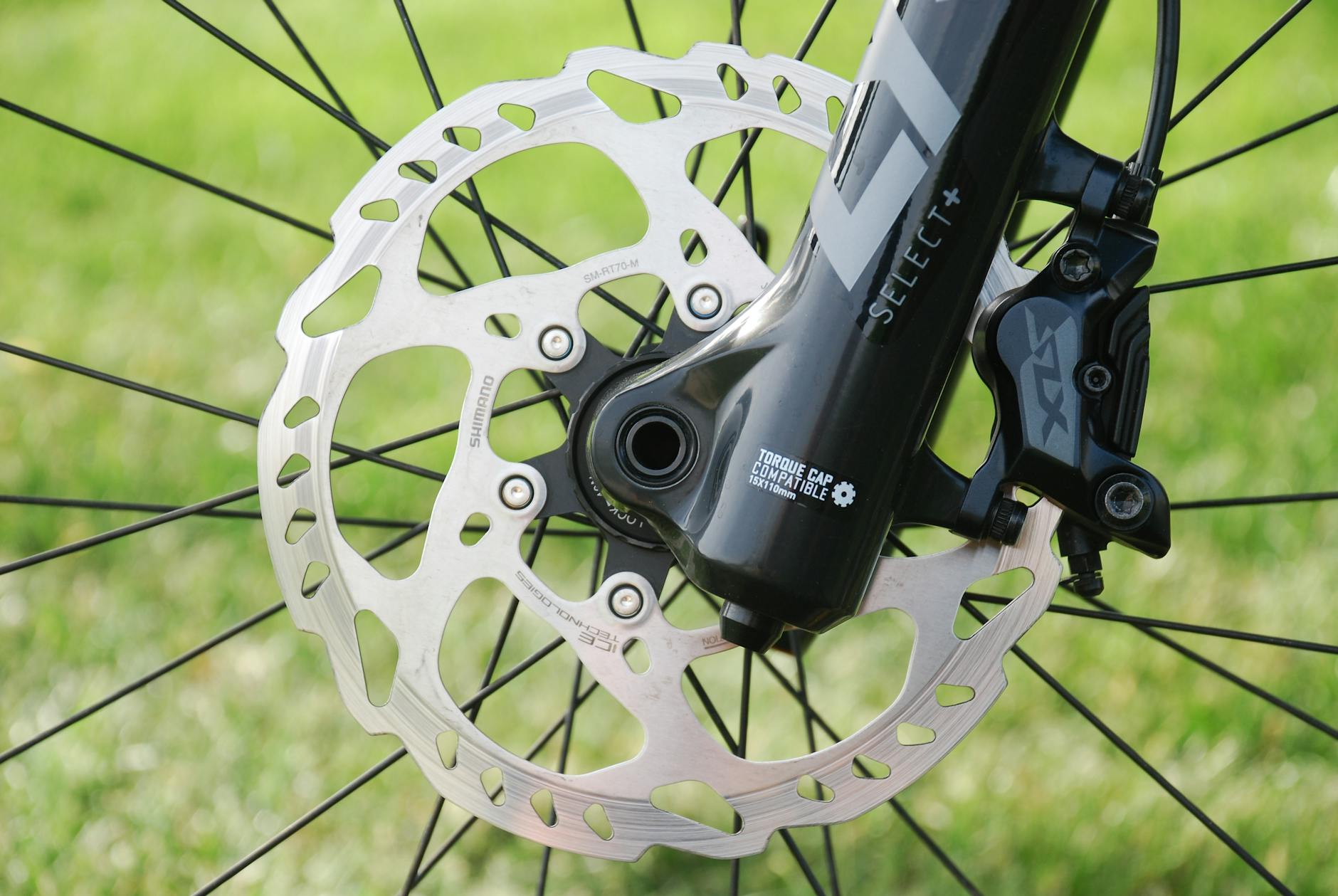
Brake performance becomes increasingly critical as ride distances extend into remote areas where mechanical failure creates serious problems. Spring preparation requires honest assessment of brake pad wear, cable or hose condition, and overall system function under sustained use. Rim brake pads should have visible wear indicator grooves; if grooves have disappeared, replacement is overdue. Disc brake pads require removal for thickness measurement””most manufacturers specify minimum thickness around one millimeter of friction material. Hydraulic brake systems demand specific spring attention. Brake fluid absorbs moisture through hoses over time, lowering its boiling point and creating the potential for brake fade during long descents.
Systems that feel firm at the lever but lack expected stopping power often need bleeding with fresh fluid. The warning sign is a progressive loss of power during extended braking rather than immediate weakness””exactly the scenario encountered on mountain descents during longer rides. Cable-actuated systems present different limitations. Cables stretch and housing compresses, requiring periodic tension adjustment. More problematic, housing end ferrules can crack or corrode internally while appearing fine externally, creating inconsistent brake feel or sudden failure. Replace housing that has been in service for more than two seasons or shows any external damage. This investment costs less than twenty dollars but prevents a failure mode that could be catastrophic during a high-speed descent.
Accessory and Nutrition Carrying Capacity
Longer distances require carrying more supplies, making spring an appropriate time to assess and upgrade carrying systems. Frame bags, saddle bags, and handlebar rolls offer various tradeoffs between capacity, accessibility, and aerodynamic impact. Spring preparation includes testing loaded handling before committing to a long route””adding five pounds of gear changes bicycle dynamics noticeably, particularly during climbing and descending.
For example, a rider planning a hundred-kilometer spring ride needs to carry significantly more nutrition and hydration than typical training rides require. This might mean adding a third bottle cage, mounting a top-tube bag for food accessibility, or fitting a saddle bag for tools and emergency supplies. Testing this configuration on progressively longer rides identifies any handling problems or discomfort before they become issues on an ambitious spring objective.
How to Prepare
- **Complete a full bicycle wash and degrease** to reveal component condition hidden under winter grime. Pay particular attention to the drivetrain, braking surfaces, and pivot points on derailleurs and brakes.
- **Measure chain wear and inspect all drivetrain components** for damage or excessive wear. Replace the chain if worn beyond manufacturer specifications, and assess whether cassette and chainring wear necessitates simultaneous replacement.
- **Inspect tires, wheels, and braking systems** thoroughly. Check tire sidewalls and tread, verify wheel true and spoke tension, and measure brake pad thickness. Replace any components approaching wear limits.
- **Lubricate all moving parts** with appropriate products. Apply chain lubricant after the drivetrain is fully dry, oil derailleur pivots, and grease or oil cables depending on system type.
- **Reassess fit and test ride** before committing to distance. Make necessary adjustments to saddle position, handlebar height, and contact points. Complete at least one moderate-distance test ride before attempting peak distances.
How to Apply This
- **Complete your first post-preparation ride at moderate distance**””approximately sixty percent of your target spring distance. This reveals any setup issues while maintaining enough reserve to address problems if they emerge.
- **Monitor all systems during the test ride** rather than focusing solely on fitness. Pay attention to shifting precision under load, braking consistency during descents, and comfort at all contact points as fatigue accumulates.
- **Document any issues and address them** before the next distance attempt. Even minor problems””slight saddle discomfort, occasional chain skip, gradual brake lever creep””indicate issues that will worsen as distances increase.
- **Progress distance incrementally** once the bicycle proves reliable. Add ten to fifteen percent distance per week, confirming mechanical systems handle increased demands before further progression.
Expert Tips
- Replace handlebar tape at the start of spring season regardless of appearance; degraded tape causes hand numbness and discomfort that worsens over distance and may not be visible until unwrapped.
- Carry a quick-link that matches your chain at all times during spring distance rides; chains stressed by winter storage are more prone to failure, and a compatible quick-link enables trailside repair.
- Do not lubricate a dirty chain””contaminated lubricant accelerates wear rather than preventing it. Full cleaning must precede lubrication for any protective benefit.
- Test your inflation equipment before relying on it for a long ride; CO2 cartridges lose charge over time, and hand pumps develop failed seals that only become apparent when needed.
- Consider slightly lower tire pressure for early spring rides when road surfaces are compromised by winter damage; the reduced vibration transmission decreases fatigue on rough pavement.
Conclusion
Preparing your bicycle for longer spring distances requires systematic attention to drivetrain, tires, brakes, fit, and accessories. The investment of two to three hours in thorough preparation prevents mechanical failures that end rides prematurely and eliminates the gradual discomfort that makes extended efforts unnecessarily difficult. Each system builds on the others””a perfectly clean drivetrain provides little benefit if tire condition causes a puncture thirty miles from home.
The return on this preparation investment extends beyond individual ride success. Properly maintained bicycles require less frequent major repairs, components last longer when kept clean and properly adjusted, and reliable equipment builds confidence that encourages continued progression. Make spring preparation an annual ritual, and the longer distances that seemed daunting become achievable objectives rather than sources of mechanical anxiety.
Frequently Asked Questions
How long does it typically take to see results?
Results vary depending on individual circumstances, but most people begin to see meaningful progress within 4-8 weeks of consistent effort. Patience and persistence are key factors in achieving lasting outcomes.
Is this approach suitable for beginners?
Yes, this approach works well for beginners when implemented gradually. Starting with the fundamentals and building up over time leads to better long-term results than trying to do everything at once.
What are the most common mistakes to avoid?
The most common mistakes include rushing the process, skipping foundational steps, and failing to track progress. Taking a methodical approach and learning from both successes and setbacks leads to better outcomes.
How can I measure my progress effectively?
Set specific, measurable goals at the outset and track relevant metrics regularly. Keep a journal or log to document your journey, and periodically review your progress against your initial objectives.
When should I seek professional help?
Consider consulting a professional if you encounter persistent challenges, need specialized expertise, or want to accelerate your progress. Professional guidance can provide valuable insights and help you avoid costly mistakes.
What resources do you recommend for further learning?
Look for reputable sources in the field, including industry publications, expert blogs, and educational courses. Joining communities of practitioners can also provide valuable peer support and knowledge sharing.