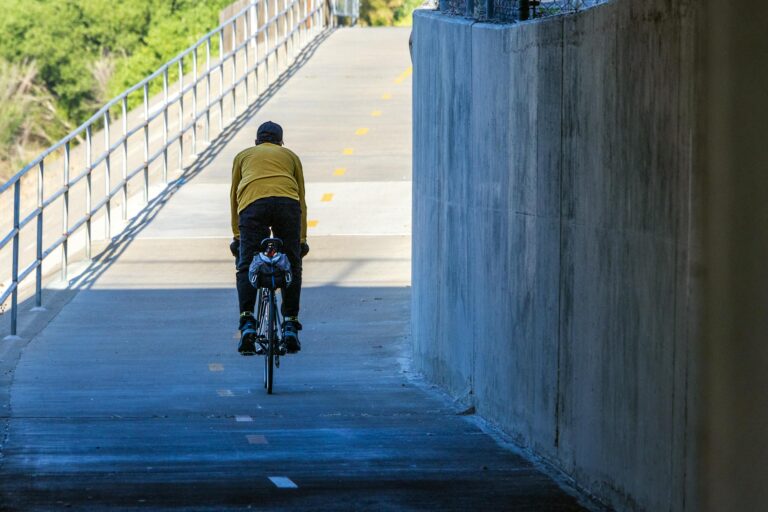
Pollution and noise are two major challenges faced by urban riders, affecting both their health and riding experience. Urban areas often have high levels of air pollution from vehicles, which can make breathing difficult and increase the risk of respiratory problems. Noise pollution from traffic and city activities adds to the stress and discomfort of riding in these environments. In contrast, trails—especially those in natural or green spaces—offer a cleaner and quieter alternative for cyclists and pedestrians.
Riding on urban roads exposes people to harmful pollutants like nitrogen dioxide (NO2) and particulate matter, which are linked to increased sedentary behavior and difficulty in physical activity. Noise pollution in cities, mainly from motor vehicles, not only disturbs human well-being but also negatively impacts wildlife, reducing bird populations and affecting their health near busy roads. This constant noise can make urban rides less pleasant and more stressful[1][6].
Trails, especially those surrounded by forests or parks, provide a more peaceful environment with cleaner air and less noise. Studies show that walking or cycling on forest trails improves mental health by promoting emotional stability, attention recovery, and cognitive activation. The natural sounds and fresh air contribute to a more enjoyable and healthier exercise experience. Even though trails may require more physical effort due to slopes or uneven terrain, the benefits to mental and physical health are significant compared to urban environments[3].
Green infrastructure like bike trails and parks also helps reduce urban noise and pollution by encouraging people to choose cycling over driving. This shift lowers traffic congestion and vehicle emissions, creating quieter streets and improving overall air quality. Well-designed trails and greenways can also enhance safety and encourage more people to use them, which further reduces noise and pollution in cities[2][4].
However, some concerns remain about trails near urban areas, such as potential increases in traffic, noise, and pollution from more visitors. Proper planning and management are essential to balance these issues while maximizing the benefits of trails for urban riders[5].
Sources
https://www.pnas.org/doi/10.1073/pnas.1516050112
https://www.nar.realtor/on-common-ground/the-roi-on-parks-trails-and-other-green-infrastructure-is-getting-much-clearer
https://pmc.ncbi.nlm.nih.gov/articles/PMC12652817/
https://bluetui.co.nz/the-environmental-benefits-of-cycling-new-zealands-trails-how-riding-makes-a-difference/
https://highlandscurrent.org/2025/11/28/comments-reflect-fjord-trail-debate/
https://acuresearchbank.acu.edu.au/bitstreams/1ccc51d4-202f-41ea-9350-7ebc7787964d/download