Keeping your child’s bike in good working order comes down to four essential maintenance tasks: checking tire pressure weekly, lubricating the chain monthly, inspecting brake pads regularly, and getting a professional tune-up once a year. These basics prevent the majority of mechanical failures that leave kids stranded mid-ride or, worse, cause accidents. A parent in our neighborhood learned this the hard way when her son’s chain snapped during a downhill stretch because it hadn’t been oiled in over a year””the dried-out links simply gave way under stress. The stakes are real.
According to Nationwide Children’s Hospital, 608 children per day end up in emergency departments for bicycle-related injuries, with upper extremity injuries accounting for 36 percent of cases and head and neck injuries making up another 15 percent. While not all of these stem from mechanical problems, poorly maintained brakes and sudden chain failures contribute to preventable crashes. Boys ages 10 to 14 face the highest risk, representing 46 percent of all childhood bike injuries. This article walks through the specific maintenance tasks every parent should know, from the correct tire pressure for each wheel size to the signs that brake pads need replacing. We’ll also cover chain care, when to seek professional help, and special considerations if your family owns e-bikes.
Table of Contents
- What Are the Most Important Maintenance Checks Parents Should Do Weekly?
- How Often Should You Lubricate a Kids Bike Chain?
- When Do Kids Bike Brake Pads Need Replacement?
- Creating a Monthly Maintenance Routine That Works
- The Growing Concern Around Kids and E-Bikes
- Setting Your Child Up for Safe Riding Long-Term
- Conclusion
What Are the Most Important Maintenance Checks Parents Should Do Weekly?
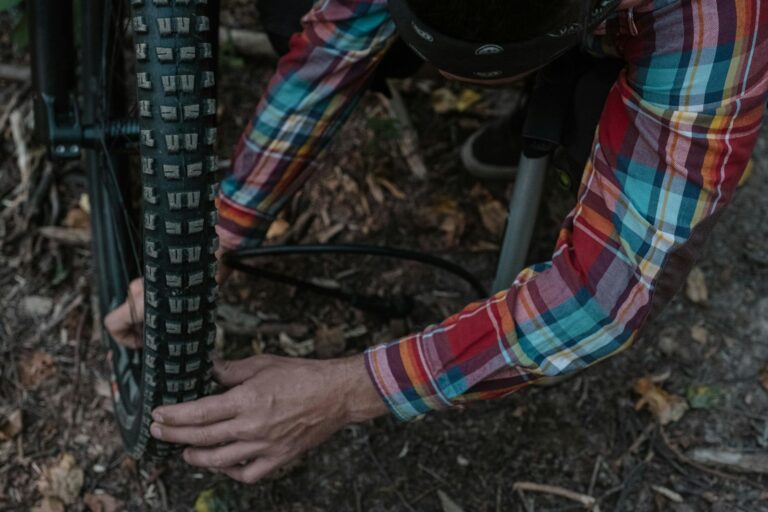
The single most overlooked maintenance task is tire pressure, yet it affects everything from how easily your child can pedal to how well the bike handles corners. Under-inflated tires make pedaling harder, wear out faster, and can cause rim damage when hitting curbs or potholes. The recommended pressure varies by wheel size: 30 PSI for 12-inch bikes, 35 PSI for 14 and 16-inch bikes, 40 PSI for 20-inch bikes, and 45 PSI for 24 and 26-inch bikes. However, these figures assume a typical rider weight.
For kids under 50 pounds riding mountain bikes with wider 2.2-inch tires, you can drop to 8-10 PSI for better traction on trails. Children around 100 pounds benefit from 14-18 PSI depending on whether they’re riding pavement or dirt. The general range of 20-40 PSI works for most kids’ bikes on normal surfaces, but always check the sidewall of the tire for the manufacturer’s recommended range. Beyond tire pressure, a weekly check should include a quick spin of both wheels to listen for rubbing sounds, a squeeze of both brake levers to ensure they engage before hitting the handlebar, and a visual inspection for loose bolts on the handlebars, seat, and wheels. Teaching your child to do this pre-ride check alongside you builds habits that will serve them for life.

How Often Should You Lubricate a Kids Bike Chain?
Chain lubrication is the second pillar of bike maintenance, and the general guideline is to apply lubricant every 200 kilometers, or roughly 125 miles. For most children, this translates to about once per month during riding season. A well-lubricated chain can reduce friction by up to 50 percent and double the chain’s lifespan, meaning less money spent on replacements and smoother shifting. The process is straightforward: wipe the chain with a dry rag to remove surface grime, apply a drop of bike-specific lubricant to each link while slowly rotating the pedals backward, let it sit for a few minutes, then wipe off excess lubricant.
One common mistake is using WD-40, which is a cleaner and degreaser, not a lubricant. It will actually strip away existing lubrication and leave the chain vulnerable to rust. If your child rides in wet conditions or through muddy trails, you’ll need to lubricate more frequently. After any ride in rain or through puddles, dry the chain and reapply lubricant before the next outing. Conversely, road bikes ridden only in dry conditions can go up to 300 kilometers between applications.
When Do Kids Bike Brake Pads Need Replacement?
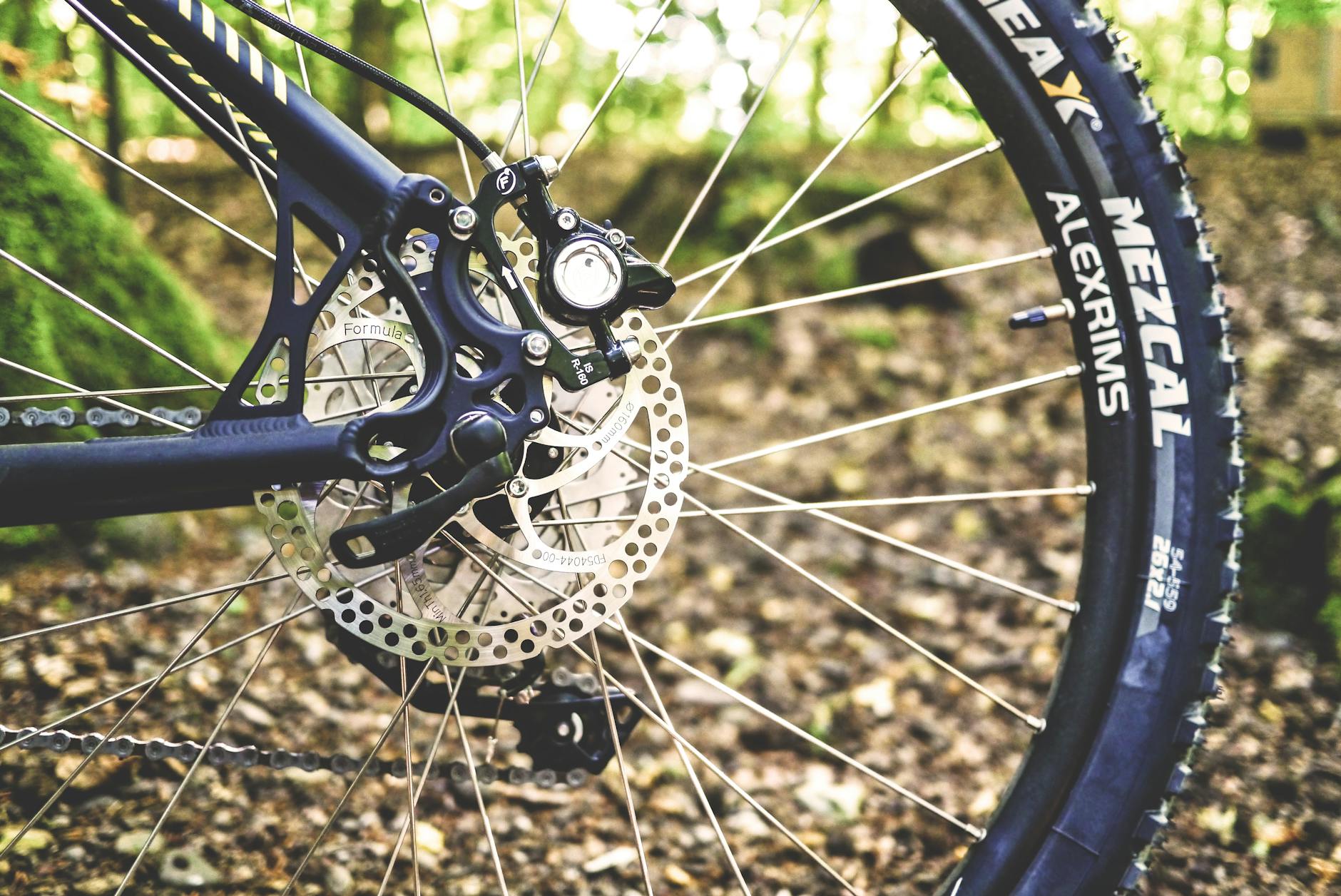
Disc brake pads start at approximately 4 millimeters thick when new and should be replaced when they wear down to 1-1.5 millimeters. For rim brakes, which are more common on children’s bikes, look for wear indicator lines molded into the pad””when the braking surface wears down to these lines, it’s time for new pads. Checking brake pads at least once a month prevents that terrifying moment when your child squeezes the lever and nothing happens. The warning signs are often audible before they’re visible. Squealing or grinding sounds during braking typically indicate worn pads or debris embedded in the pad surface.
Reduced stopping power is another red flag. If your child complains that they have to squeeze harder than usual or that the bike takes longer to stop, inspect the pads immediately. Replacement pads for kids’ bikes fit standard sizes covering 12, 14, 16, and 18-inch wheels, so finding parts isn’t difficult. Most bike shops stock them, and installation is a beginner-friendly repair. However, if the brake cables are frayed or the brake calipers are bent, these require more expertise to address safely.
Creating a Monthly Maintenance Routine That Works
The most effective approach is building maintenance into an existing routine rather than treating it as a separate chore. Many families check tire pressure and brakes on the first Saturday of each month, combining it with other outdoor prep. Keep a floor pump with a pressure gauge and a bottle of chain lubricant in the garage where they’re visible and accessible. A complete monthly check takes about 15 minutes per bike and should include: checking and adjusting tire pressure, inspecting brake pads and testing brake lever engagement, lubricating the chain if it’s been a month or 125 miles, tightening any loose bolts, and checking that the seat and handlebars are at the correct height for your growing child. Seat height alone can need adjustment every few months as kids grow. The tradeoff between thoroughness and consistency matters here. A basic monthly routine that actually happens is more valuable than an elaborate checklist that gets ignored. Start simple, and add steps as maintenance becomes habitual for your family. ## Common Kids Bike Problems and How to Fix Them Flat tires top the list of roadside breakdowns.
Teaching older children to patch a tube or swap in a spare is a valuable skill, but for younger kids, carrying a phone to call for pickup is more practical. Puncture-resistant tubes or tire liners can reduce flat frequency, though they add weight and cost. Chain derailment””when the chain falls off the gears””often results from a bent derailleur or improper cable tension. If this happens repeatedly, it needs professional attention. A one-time derailment can usually be fixed by carefully lifting the chain back onto the chainring and pedaling slowly forward. Warn your child never to stick fingers near the chain while it’s moving. Squeaky pedals and creaking sounds usually indicate loose components or dry bearings. While loose pedals are easy to tighten, bearing issues may require tools and experience most parents don’t have. This is where the annual professional service becomes essential. RASCAL Bikes and other manufacturers recommend having children’s bikes serviced at a professional bike shop at least once per year, where mechanics can catch problems like worn bearings, stretched cables, and developing cracks before they cause failures.
The Growing Concern Around Kids and E-Bikes
E-bike sales in the United States exceeded 1.7 million units in 2024, representing a 75 percent increase from the previous year, and injuries among children have risen dramatically in parallel. Children’s Hospital of Orange County documented a jump from 7 e-bike injuries in 2019 to 116 in 2024. Nationwide, e-bike incidents increased 18.6-fold over five years, from 184 events in 2018 to 3,429 in 2023.
The Consumer Product Safety Commission recommends that children under age 12 should not operate e-bikes exceeding 10 mph. The combination of higher speeds, heavier bike weights, and children’s still-developing judgment creates risks that standard bicycle maintenance cannot mitigate. If your family owns e-bikes, maintenance requirements are more complex, including battery care, motor checks, and more frequent brake inspections due to higher speeds.

Setting Your Child Up for Safe Riding Long-Term
Beyond mechanical maintenance, the broader picture includes proper helmet fit, visibility gear for low-light conditions, and teaching road awareness. The 102 fatal bicycle injuries to children in 2020″”roughly two per week””underscore that safety extends beyond bike function to rider behavior and environment.
Investing time in maintenance now builds muscle memory for your children. They’ll grow into cyclists who automatically check their bikes before riding, recognize the sounds of mechanical trouble, and take ownership of their equipment. That knowledge lasts a lifetime and pays dividends well beyond childhood.
Conclusion
Kids bike maintenance doesn’t require mechanical expertise””it requires consistency. Weekly tire pressure checks, monthly chain lubrication, regular brake inspections, and an annual professional tune-up will keep most children’s bikes running reliably for years. The time investment is modest: perhaps 15 minutes monthly for routine checks, with the professional service handling deeper issues once a year.
The payoff is both practical and safety-related. A well-maintained bike is easier to pedal, stops when it should, and rarely leaves a child stranded. Given that over 600 children visit emergency rooms daily for bike-related injuries, anything parents can do to reduce mechanical failures is worth the effort. Start with the basics, build consistency, and let the habit grow alongside your child.