The most impactful comfort upgrades for a hybrid bike are a properly fitted saddle, ergonomic grips, and suspension seatpost””these three changes address the primary contact points where discomfort originates and can transform a bike that feels punishing into one you’ll actually want to ride. A cyclist who swaps out a stock saddle for one matched to their sit bone width, replaces hard rubber grips with ergonomic bar ends, and adds a suspension seatpost often reports that their hybrid feels like an entirely different machine, particularly on rides exceeding an hour.
Beyond these core upgrades, tire selection, handlebar adjustments, and pedal choices can further refine your riding experience. This article walks through each major comfort modification, explaining not just what works but when certain upgrades make sense””and when they don’t. You’ll find comparisons between common options, warnings about compatibility issues, and honest assessments of what you can realistically expect from each change.
Table of Contents
- What Are the Best Comfort Upgrades for a Hybrid Bike?
- Saddle Selection: Finding the Right Fit for Your Anatomy
- Handlebar and Grip Upgrades That Reduce Hand Fatigue
- Suspension Seatposts: When They Help and When They Don’t
- Tire Upgrades for a Smoother Ride
- Pedal and Shoe Combinations That Improve Comfort
- The Role of Bike Fit in Maximizing Comfort Upgrades
- What to Expect from Combined Comfort Upgrades
- Conclusion
What Are the Best Comfort Upgrades for a Hybrid Bike?
The best comfort upgrades target the three contact points between rider and bicycle: saddle, handlebars, and pedals. Of these, saddle replacement typically delivers the most dramatic improvement because the stock saddles on hybrid bikes are often generic designs meant to appeal to broad demographics rather than individual anatomy. A rider with wide sit bones suffering on a narrow saddle, or someone with a more aggressive riding position stuck on a wide cruiser-style seat, will feel the mismatch acutely on any ride longer than twenty minutes. Ergonomic grips rank second in impact, particularly for riders who experience hand numbness or pain. Standard round grips force the wrist into an unnatural angle and concentrate pressure on the ulnar nerve.
Wing-style ergonomic grips distribute pressure across the palm and allow a more neutral wrist position. For comparison, round grips typically contact about 30 percent of the palm, while ergonomic designs can spread that load across 70 percent or more of the hand surface. Suspension components””whether a suspension seatpost, suspension stem, or both””address road vibration that standard rigid setups transmit directly to the rider. These upgrades matter most for cyclists riding on rough pavement, gravel paths, or broken urban roads. However, suspension adds weight and can reduce pedaling efficiency, so riders on smooth surfaces may find the tradeoff unfavorable.

Saddle Selection: Finding the Right Fit for Your Anatomy
Choosing a saddle based on appearance or padding thickness is the most common mistake hybrid bike owners make. Effective saddle selection starts with measuring sit bone width””the bony protrusions you actually sit on””and matching that measurement to a saddle designed for your riding posture. Most bike shops offer simple measuring tools, or you can measure at home using corrugated cardboard and a hard surface. Saddle width should exceed sit bone width by roughly 20 to 30 millimeters to provide proper support. A rider with 130-millimeter sit bones typically needs a saddle around 155 millimeters wide when riding in an upright hybrid position.
However, if your hybrid has a more forward-leaning geometry similar to a road bike, you may need a narrower saddle because your pelvis rotates forward and reduces the effective contact area. This explains why a saddle that feels perfect on one bike can be uncomfortable on another. Padding is counterintuitive””more isn’t better. Excessive foam or gel allows sit bones to sink in, which puts pressure on soft tissue that shouldn’t bear weight. Moderate padding with proper width and a pressure-relief channel or cutout generally outperforms heavily cushioned seats. The exception is very short rides under thirty minutes, where plush padding may feel pleasant before the negative effects emerge.
Handlebar and Grip Upgrades That Reduce Hand Fatigue
Hand numbness during cycling results from nerve compression, and ergonomic grips represent the most direct solution. Lock-on ergonomic grips with integrated bar ends allow multiple hand positions and flatten the contact surface to reduce pressure on the ulnar and median nerves. Brands like Ergon have built their reputation on this design, though numerous manufacturers now offer similar products at various price points. However, if you experience hand discomfort despite ergonomic grips, the problem may originate from handlebar height or reach rather than grip design. Handlebars positioned too low force extra weight onto your hands, and no grip can fully compensate for poor bike fit.
Before investing in premium grips, verify that your handlebar height allows you to support most of your upper body weight through your core rather than your arms. An adjustable stem can raise handlebar height by 50 to 100 millimeters on most hybrids. Handlebar sweep””the backward angle of the grips””also affects comfort. Stock hybrid bars typically have modest sweep between 10 and 25 degrees. Riders who want a more relaxed position may prefer bars with greater sweep, sometimes called comfort bars or trekking bars, which can reach 45 degrees or more. The tradeoff is reduced control precision, which matters little for casual riding but becomes noticeable when navigating technical terrain or traffic at speed.
Suspension Seatposts: When They Help and When They Don’t
Suspension seatposts absorb vertical impacts that would otherwise travel through the saddle and into the rider’s spine. Quality units use parallelogram linkages or elastomer springs to provide one to two inches of travel, smoothing out bumps without the weight penalty of a full suspension frame. Thudbuster and Cane Creek are historically prominent in this category, though the market includes options across a wide price range. These posts work best for heavier riders and on genuinely rough surfaces. A 200-pound rider on potholed city streets will notice significant improvement.
A 130-pound rider on smooth bike paths may barely perceive any benefit while adding 300 to 500 grams of weight to the bike. The suspension action can also create a subtle bobbing sensation when pedaling hard, which some riders find distracting or inefficient. Compatibility matters more than many buyers realize. Suspension seatposts require adequate insertion depth””typically 100 to 150 millimeters minimum””which some hybrid frames with sloping top tubes cannot accommodate. Additionally, riders with saddle setback requirements may find that parallelogram designs shift saddle position during compression, altering the effective fit. Check your frame’s seatpost insertion limits and consider how position changes during travel might affect your riding before purchasing.
Tire Upgrades for a Smoother Ride
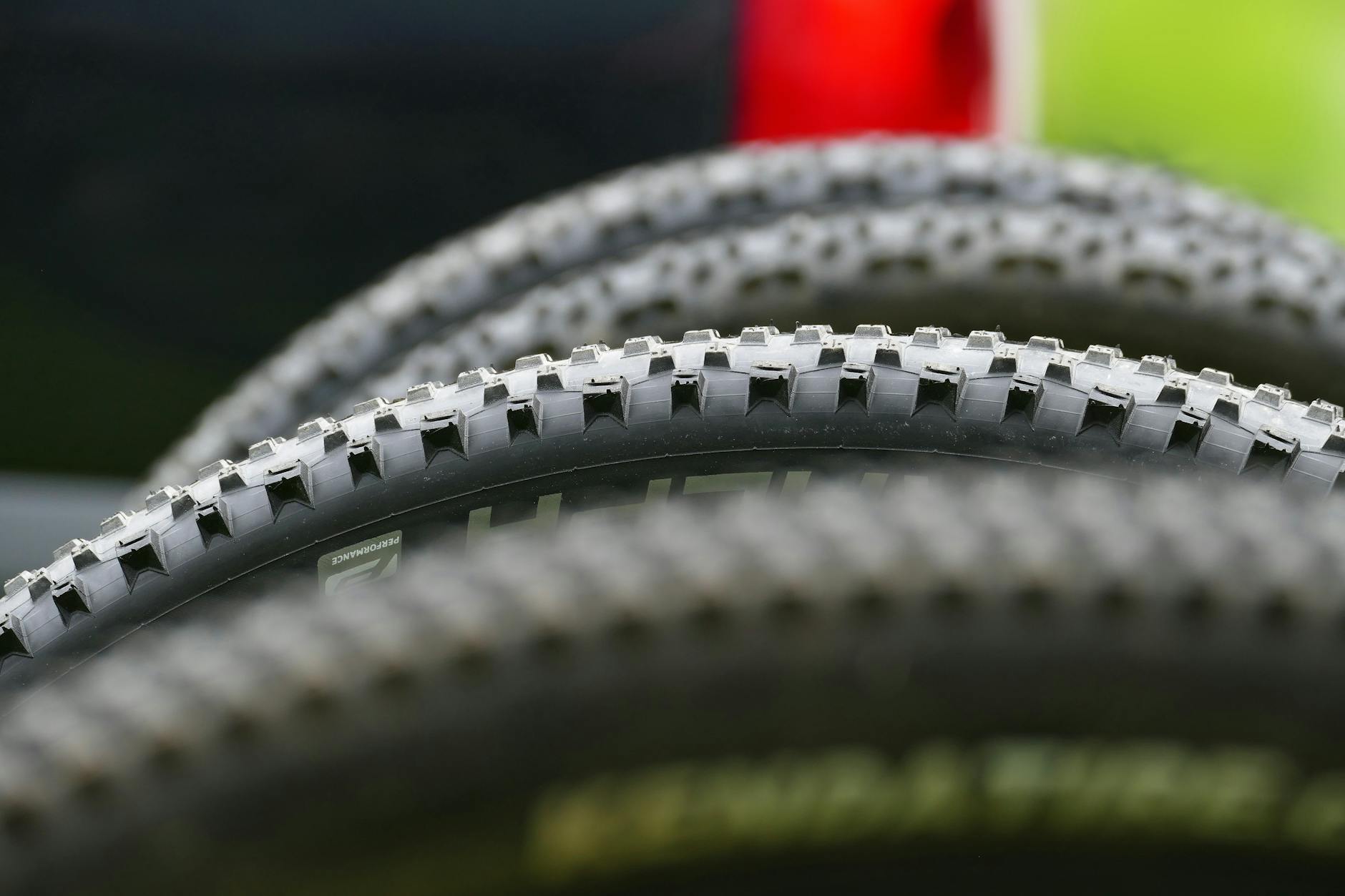
Tires represent perhaps the most underappreciated comfort variable on any bicycle. Stock hybrid tires often prioritize durability and puncture resistance over ride quality, using high-pressure designs and stiff casings that transmit every road imperfection. Switching to a supple tire with lower recommended pressure can dramatically improve comfort without changing any component permanently attached to the bike. The key metric is tire volume and pressure. Wider tires””say, 40 to 45 millimeters versus the typical 35-millimeter stock tire””run at lower pressures while maintaining the same load capacity.
A tire inflated to 50 PSI absorbs bumps far better than one at 80 PSI. For example, a rider switching from 35-millimeter tires at 75 PSI to 42-millimeter tires at 45 PSI often describes the change as adding suspension to the bike, though it’s purely pneumatic cushioning. The tradeoff involves weight and rolling resistance, though modern tire design has minimized both concerns. Supple tires with quality rubber compounds often roll faster than cheap stiff tires despite lower pressures, because they conform to surface irregularities rather than bouncing over them. The limitation is puncture protection””the most comfortable tires tend to have thinner casings that puncture more easily. Riders in areas with significant road debris may need to balance comfort against reliability.
Pedal and Shoe Combinations That Improve Comfort
Flat pedals with proper platform size and grip can reduce foot fatigue significantly compared to the small, slippery pedals often included with hybrid bikes. A pedal platform that supports the full width of your foot distributes pressure more evenly and prevents the hot spots that develop when standing or riding over rough terrain. Look for platforms at least 100 millimeters wide with concave shapes or textured surfaces. Clipless pedals offer a different comfort advantage: they fix your foot position and allow pulling up on the pedal stroke, which can reduce knee strain from inconsistent foot placement. However, clipless systems require compatible shoes with stiff soles, which some hybrid riders find overly specialized for bikes they also use for errands and casual transportation.
Dual-sided pedals with clips on one side and flat platforms on the other represent a compromise, though they typically excel at neither function. Shoe choice matters regardless of pedal type. Flexible-soled sneakers concentrate pressure on a small area over the pedal axle, while shoes with stiffer midsoles spread that load across the forefoot. You don’t need cycling-specific shoes to benefit””any athletic shoe with a firmer sole improves comfort. The exception is very soft minimalist shoes, which can cause forefoot pain on longer rides regardless of pedal quality.
The Role of Bike Fit in Maximizing Comfort Upgrades
Component upgrades cannot compensate for fundamental fit problems. A saddle at the wrong height creates knee pain that no amount of padding resolves. Handlebars too far away strain the lower back regardless of grip ergonomics.
Before investing in comfort components, ensure your basic bike dimensions match your body””saddle height allowing slight knee bend at full extension, handlebar reach that doesn’t require stretching or hunching, and stem length appropriate for your arm length. Professional bike fitting historically costs between 100 and 300 dollars, though prices vary significantly by location and depth of analysis. For many hybrid riders, this investment yields better returns than equivalent spending on components. A fitter can identify whether discomfort stems from position issues or component limitations, potentially saving money on unnecessary upgrades.
What to Expect from Combined Comfort Upgrades
Riders who implement multiple comfort modifications simultaneously often report transformative improvements””but expectations should remain realistic. A hybrid bike with comfort upgrades still won’t ride like a full-suspension mountain bike or a custom-fitted touring bicycle. These modifications smooth out the rough edges rather than fundamentally changing the bicycle’s character.
The cumulative effect matters more than any single change. A quality saddle alone helps substantially. A quality saddle combined with ergonomic grips, appropriate tire pressure, and correct fit multiplies that improvement. Plan upgrades holistically rather than expecting each individual component to solve every problem.
Conclusion
Hybrid bike comfort upgrades offer genuine improvements for riders willing to address their specific discomfort sources. Start with the three contact points””saddle matched to your anatomy, ergonomic grips that support natural hand position, and properly fitted pedals””then consider suspension components and tire changes based on your typical riding surfaces. Each modification involves tradeoffs in weight, cost, or efficiency that you should evaluate against your actual riding conditions.
The path to a comfortable hybrid bike requires some experimentation. Saddle choice particularly involves personal preference that no article can predict for your anatomy. Budget for potential returns or resales as you dial in your setup, and remember that proper bike fit amplifies the benefit of every component upgrade. A well-fitted hybrid with thoughtful comfort modifications can serve reliably for commuting, fitness riding, and recreational use for many years.