The most effective hybrid bike chain and drivetrain maintenance comes down to three core practices: clean your chain every 100-200 miles, lubricate with one drop per link using the appropriate wet or dry lube for your conditions, and replace your chain before it reaches 0.5% wear on modern 11-13 speed systems. A well-maintained chain on a hybrid bike typically lasts 2,000-3,000 miles, but neglecting these basics can cut that lifespan to as little as 500 miles””and a worn chain doesn’t just fail on its own. It damages your cassette and chainrings, turning a $15-30 chain replacement into a $200+ repair bill. Consider a commuter who rides 50 miles per week in mixed conditions.
With weekly lubrication and cleaning after wet rides, their chain might last over a year before needing replacement. Their neighbor, riding the same distance but never cleaning or checking chain wear, could burn through the same chain in three months and need a new cassette by month four. The difference isn’t luck or equipment quality””it’s maintenance habits. This article covers the complete picture of hybrid bike drivetrain care: how to measure chain wear accurately, the right cleaning frequency for different riding conditions, lubrication types and techniques, cable maintenance for mechanical shifting systems, and when to call in a professional versus handling repairs yourself.
Table of Contents
- How Often Should You Clean Your Hybrid Bike Chain and Drivetrain?
- Understanding Chain Wear and When Replacement Becomes Necessary
- Choosing the Right Lubricant for Your Riding Conditions
- Cable and Housing Maintenance for Reliable Shifting
- What Does Professional Drivetrain Service Cost Compared to DIY?
- The Hidden Cost of Neglected Drivetrain Maintenance
- E-Bikes and Multi-Speed Systems: Special Maintenance Considerations
- Conclusion
How Often Should You Clean Your Hybrid Bike Chain and Drivetrain?
Cleaning frequency depends heavily on your riding conditions, not just your mileage. For dry conditions and primarily road or paved trail riding, cleaning your drivetrain every 185-310 miles keeps things running smoothly. If you’re riding in wet conditions, through mud, or on dusty gravel paths, that interval shrinks to every 125-185 miles. The general rule that works for most hybrid bike riders: clean your chain every 100-200 miles, or immediately after any ride in rain or mud. The consequences of skipping cleanings compound quickly.
Grit acts like sandpaper between your chain’s rollers and pins, accelerating wear on every component the chain touches. A dirty chain also shifts poorly, creating that grinding, hesitant feeling when you move between gears. What’s worse, contaminated lubricant turns into a paste that attracts more debris, creating a self-reinforcing cycle of accelerated wear. However, if you’re primarily a fair-weather rider on clean pavement, you can extend these intervals somewhat. A hybrid bike used for weekend recreational rides on paved trails in dry summer conditions might go 300+ miles between deep cleanings, provided you’re wiping down the chain and reapplying lube regularly. The key is inspecting your chain frequently””if it looks gunky or sounds gritty, it’s time to clean regardless of mileage.

Understanding Chain Wear and When Replacement Becomes Necessary
Chain “stretch” is somewhat misleading terminology””chains don’t actually stretch like rubber bands. Instead, the pins and rollers inside each link wear down slightly, creating tiny amounts of additional space that accumulate across the chain’s length. A chain wear indicator tool, like the Park Tool CC-3.2 ($10-20), measures this cumulative wear as a percentage. For 11-13 speed chains found on most modern hybrid bikes, replacement is necessary at or before 0.5% wear. Older 6-10 speed systems are more tolerant, allowing replacement at 0.75% wear. These thresholds matter because a worn chain no longer meshes properly with your cassette and chainring teeth.
The chain effectively “rides up” on the teeth, reshaping them to match its elongated pitch. Once your cassette teeth become hooked or shark-finned, a new chain won’t sit correctly””it’ll skip under load, especially in your most-used gears. At that point, you’re replacing the cassette too, and potentially the chainrings. The math strongly favors proactive chain replacement. A quality hybrid bike chain costs $15-30 for standard steel construction, or $30-60 for stainless or nickel-plated options with better corrosion resistance. Compare that to cassette replacement costs that can range from $50 for basic units to $660 for high-end options like the SRAM XX SL Eagle Transmission. Checking chain wear takes thirty seconds with the right tool and can save you hundreds of dollars annually.
Choosing the Right Lubricant for Your Riding Conditions
Bicycle chain lubricants fall into two main categories, and using the wrong type for your conditions creates problems. Dry lube uses a carrier solvent that evaporates, leaving behind a waxy or Teflon-based coating. It runs clean, doesn’t attract much dust or grit, and works excellently in dry conditions. However, dry lube washes off quickly in rain and provides poor protection in wet conditions. Wet lube stays put through water exposure and provides lasting protection in rain and mud, but its tackier consistency attracts debris in dry conditions. For most hybrid bike riders, the practical approach is keeping both types on hand. Apply dry lube for summer commuting and fair-weather recreational rides.
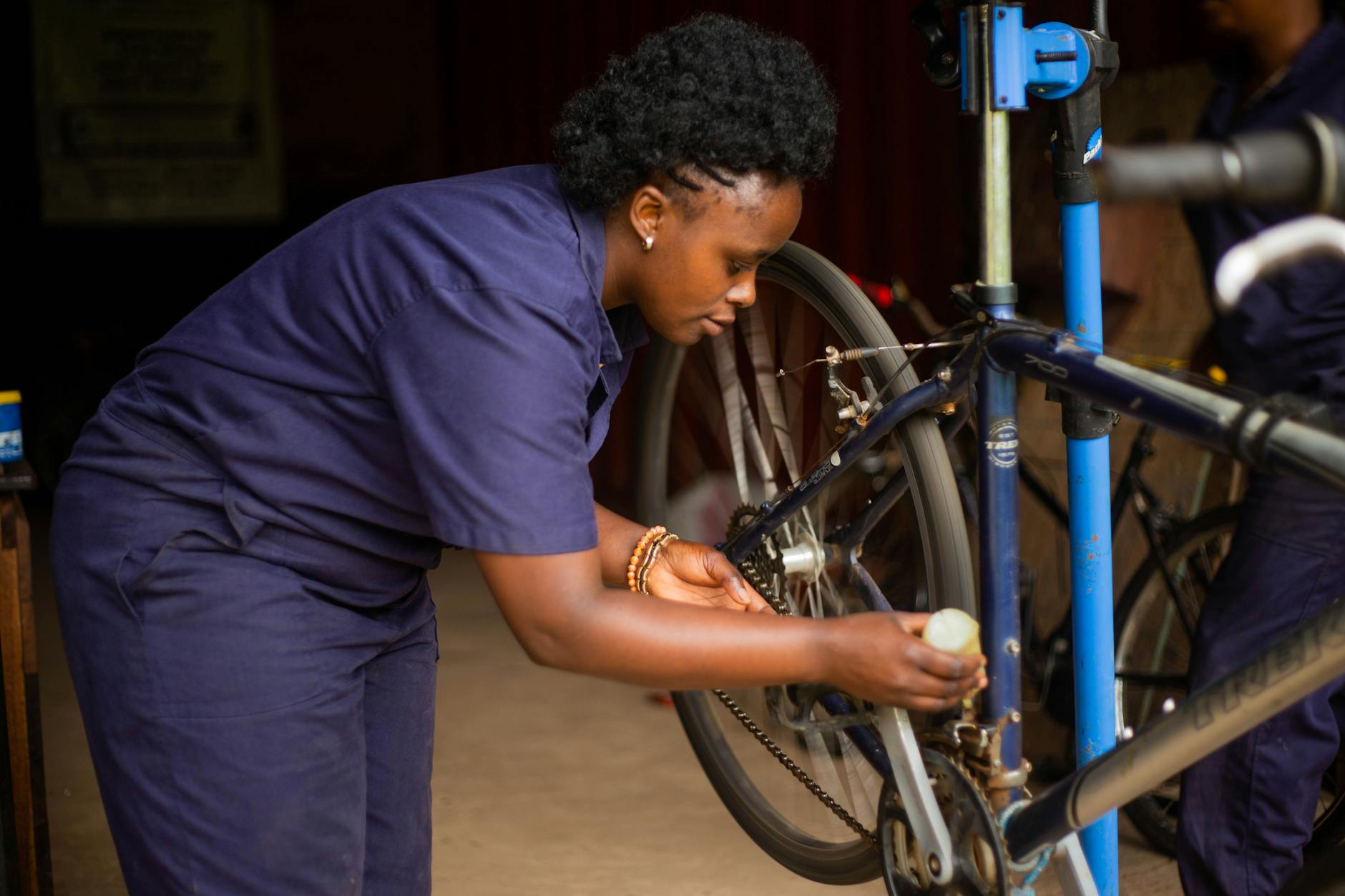
Switch to wet lube when rain is forecast or during wet seasons. The application method remains the same regardless of type: pedal backward slowly while applying one drop per link, let it penetrate for a few minutes, then wipe away all excess with a clean rag. Excess lubricant sitting on the chain’s exterior does nothing but attract contamination. Lubrication frequency for regular riders typically means weekly applications, adjusted based on conditions and mileage. A rider putting in 100 miles per week in dry conditions might lubricate every Sunday evening. Someone doing the same mileage through wet winter conditions might need to reapply every other ride. The chain should never squeak or feel dry””if it does, you’ve waited too long.
Cable and Housing Maintenance for Reliable Shifting
Mechanical shifting systems, still common on hybrid bikes, rely on precise cable movement to position the derailleurs correctly. When shifting becomes sluggish, imprecise, or inconsistent, riders often assume their derailleur or shifter has failed. In reality, the culprit is almost always the cables and housing””these are wear items that degrade gradually and need regular attention. Shift cables run through housing that contains an inner liner. Over time, this liner wears, creating friction.
Cables themselves can fray, kink, or corrode, especially at the ferrules where they enter and exit housing sections. Contamination from road spray works its way inside, turning smooth operation into a gritty, resistant mess. The fix involves cleaning and lubricating accessible cable sections, or replacing cables and housing entirely””typically a $20-40 parts cost for a complete set, plus labor if you’re not doing it yourself. Signs that your cables need attention include delayed shifting (you click the shifter but the derailleur responds slowly), inability to reach certain gears despite correct limit screw settings, and shifting that works perfectly in the stand but fails under pedaling load. If your hybrid bike is more than two years old and has never had cables replaced, they’re likely overdue regardless of how the shifting feels.
What Does Professional Drivetrain Service Cost Compared to DIY?
Professional drivetrain cleaning at a bike shop typically runs $80-120, while chain installation costs $20-30 in labor on top of the chain price. These prices make sense for complex work or if you lack tools and space, but basic maintenance is genuinely accessible for home mechanics with minimal investment. A chain wear indicator costs $10-20, a chain cleaning device runs $15-25, and basic degreaser and lubricant add another $20. For under $60 in tools and supplies, you can handle routine maintenance indefinitely. The tradeoff involves time and learning curve rather than difficulty. Cleaning a chain properly takes 15-20 minutes once you’ve done it a few times.
Checking chain wear takes under a minute. A shop visit, between dropping off the bike, waiting for service, and picking it up, easily consumes an hour or more of your day plus the service cost. For riders who use their hybrid bikes for daily transportation, developing basic maintenance skills pays off quickly. However, some tasks genuinely benefit from professional attention. Cable routing on internally-routed frames, cassette removal requiring specific lockring tools, and bottom bracket service all involve specialized equipment and experience. If your chain wear check reveals you need a new chain and cassette, and you’ve never done this work before, the $20-30 installation fee is reasonable insurance against incorrect installation.
The Hidden Cost of Neglected Drivetrain Maintenance
A single neglected chain can cascade into surprisingly expensive repairs. As the worn chain damages cassette teeth, you’ll notice skipping in your favorite gears first””typically the middle of the cassette where most riding happens. The chainring follows, developing hooked teeth that cause the chain to hang momentarily at the top of the pedal stroke. By the time most riders notice these symptoms, they need a chain, cassette, and possibly chainrings.
For perspective on costs: quality chainrings from manufacturers like Wheels Manufacturing run $74.99-$79.99 as of late 2025. Add a mid-range cassette at $50-100 and a new chain at $25-40, and you’re looking at $150-220 in parts alone for a complete drivetrain refresh. Professional installation adds another $50-80 in labor. This compares to $15-30 for a chain replaced at the correct wear interval, repeated two or three times before the cassette needs attention””a total of $45-90 in chains versus $200+ for the neglect scenario.
E-Bikes and Multi-Speed Systems: Special Maintenance Considerations
E-bike drivetrains face accelerated wear that hybrid bike owners converting to pedal-assist should understand. Motor assistance increases the load on the chain significantly, especially during starts and climbs when the motor contributes most. Where a traditional hybrid bike chain might last 2,000-3,000 miles, e-bike chains often need replacement at 500-1,500 miles. This isn’t a defect””it’s physics.
More torque means faster wear on the same components. Similarly, the trend toward more gears affects maintenance intervals. Manufacturers report up to 50% reduction in chain life when comparing 12-speed systems to 11-speed equivalents. The narrower chains required for tighter cog spacing are inherently less durable, and the increased lateral flex during shifting adds stress. If you’re shopping for a new hybrid bike or upgrading components, this reality should factor into your decision: more gears means more frequent chain replacement, which adds ongoing cost to the initial purchase price.
Conclusion
Drivetrain maintenance on a hybrid bike isn’t complicated, but it does require consistency. Clean your chain every 100-200 miles, more frequently in wet or dirty conditions. Lubricate weekly with the appropriate dry or wet lube, applying one drop per link and wiping away excess. Check chain wear monthly with an inexpensive indicator tool, and replace the chain before it hits 0.5% stretch on modern multi-speed systems.
These habits protect not just the chain, but the cassette and chainrings that cost far more to replace. The investment in basic maintenance tools and supplies pays for itself within months for regular riders. A $15-30 chain replaced at the right time prevents $200+ in cascading component damage. Twenty minutes of cleaning per week keeps shifting crisp and extends the life of every drivetrain component. Your hybrid bike will ride better, shift more reliably, and cost less to own over time””all from habits that take less effort than most people spend adjusting their saddle height.