The most effective way to store multiple family bikes in a small space is to use vertical wall-mounted systems that stack bikes above one another, combined with ceiling hoists for seasonally used bikes and compact floor stands that nestle wheels together. A family of four with standard-sized bikes can reduce their storage footprint from roughly 24 square feet of floor space down to under 6 square feet by mounting two bikes on a wall rack and suspending the remaining two from ceiling pulleys. This approach works in garages, apartments, sheds, and even hallways where horizontal space is at a premium.
Beyond the basic wall-and-ceiling strategy, successful small-space bike storage requires matching your system to your family’s actual riding patterns. A household where everyone rides daily needs quick-access solutions, while families with seasonal cyclists can prioritize density over convenience. This article covers the specific storage systems that work for different situations, weight limits to consider for children’s bikes versus adult bikes, installation requirements, and the common mistakes that lead to damaged bikes or wasted money on systems that don’t fit your space.
Table of Contents
- What Are the Best Storage Options for Multiple Family Bikes in Limited Space?
- Choosing Between Vertical, Horizontal, and Freestanding Bike Storage Systems
- How Much Wall and Ceiling Space Do You Actually Need?
- Common Mistakes That Waste Space or Damage Bikes
- Budget Considerations: Cost Per Bike Stored
- Adapting Storage as Your Family’s Cycling Needs Change
- Conclusion
What Are the Best Storage Options for Multiple Family Bikes in Limited Space?
Wall-mounted hooks and rails offer the best combination of space savings and accessibility for most families. A single vertical wall hook holds one bike using roughly 18 inches of wall width and zero floor space, allowing a typical 8-foot garage wall to accommodate four adult bikes with room to spare. Horizontal wall mounts that hold bikes parallel to the wall require more width””about 4 feet per bike””but keep handlebars and pedals from protruding into walkways. For a family with two adults and two children, a common configuration uses two vertical hooks at adult height and two lower horizontal mounts for kid-sized bikes that children can reach themselves.
Ceiling-mounted pulley systems work exceptionally well for bikes ridden less than weekly. These hoists lift bikes flat against the ceiling, completely clearing floor and wall space. However, the daily effort of lowering and raising a bike makes them impractical for commuter bikes or frequently used children’s bikes. A four-bike family might ceiling-mount the adult mountain bikes used for weekend trail rides while keeping the children’s everyday bikes on accessible wall hooks. Each ceiling hoist typically requires about 4 feet of horizontal ceiling space and works best in garages with at least 9-foot ceilings.

Choosing Between Vertical, Horizontal, and Freestanding Bike Storage Systems
Vertical storage””hanging bikes by the front wheel””maximizes density but creates challenges for heavier e-bikes and some suspension forks. Standard hooks support 35 to 50 pounds, adequate for most conventional bikes but insufficient for electric bikes that commonly weigh 50 to 70 pounds. Some suspension fork manufacturers also warn against long-term vertical storage because oil can migrate away from seals. If your family includes e-bikes or high-end mountain bikes with air forks, horizontal storage or frame-supported stands are safer long-term choices.
Freestanding floor racks occupy more space than wall systems but require no installation and can be repositioned as needs change. A typical gravity-stand rack holds two bikes in about 4 square feet of floor space by leaning them at opposing angles. These work well for renters who cannot drill into walls or for families whose storage needs shift””moving bikes between a garage, basement, and covered patio seasonally. The limitation is stability; freestanding racks can tip if bikes are loaded unevenly or if children bump into them, so they’re less suitable for households with very young kids running around.
How Much Wall and Ceiling Space Do You Actually Need?
A realistic assessment requires measuring each bike with pedals, handlebars, and any accessories attached. Adult bikes with flat handlebars measure roughly 68 inches long and 24 inches wide at the handlebars. Drop-bar road bikes are similar in length but narrower at about 18 inches. Children’s bikes range from 36 inches for a 12-inch-wheel bike up to 54 inches for a 24-inch-wheel youth bike. When planning wall space, add 4 inches between bikes to prevent handlebar and pedal collisions when loading and unloading. For example, a family storing two adult bikes vertically and two 20-inch children’s bikes on the same wall needs approximately 44 inches of horizontal space for the children’s bikes (22 inches each) plus 48 inches for the adult bikes mounted at alternating heights, totaling just under 8 feet of wall width. However, if that wall has electrical outlets, windows, or doorways, the usable space shrinks quickly. Many families discover their “empty” garage wall actually offers only 5 or 6 usable feet once obstructions are considered, which may force a combination of wall and ceiling storage rather than a single wall-based system.
## Practical Tips for Installing Multi-Bike Storage Safely Wall anchoring is the critical detail that separates sturdy bike storage from dangerous failures. Drywall alone cannot support the 40-plus-pound load of an adult bike; hooks must fasten into wall studs or use appropriate masonry anchors for concrete and brick. Studs in American construction are typically spaced 16 inches apart, which may not align with where you want your bikes. Toggle bolts rated for 100 pounds or more provide an alternative for drywall-only installations, but they leave significant holes if you later remove the mounts. Installing at the right height requires considering both bike access and interference with other items. For vertical mounts, positioning the hook 6 feet above the floor typically lifts the rear wheel about 12 inches off the ground for adult bikes, keeping the bike accessible while clearing most items stored below. Children’s bikes can be mounted lower””around 4 feet””so kids can load their own bikes. The tradeoff is between maximizing your vertical space and making daily use convenient enough that family members actually use the system rather than abandoning bikes on the floor out of frustration.
Common Mistakes That Waste Space or Damage Bikes
The most frequent error is buying storage systems before measuring both the space and the bikes. A ceiling hoist designed for 4-foot clearance won’t work in a 7-foot-ceiling apartment, and a hook rated for lightweight road bikes may fail under an e-bike. Families often purchase matching sets of four identical hooks only to find that different family bikes have incompatible wheel sizes, handlebar widths, or weights. Measuring each bike and comparing specifications to storage system limits before purchasing prevents both wasted money and potentially dangerous situations.
Another common mistake is ignoring seasonal swelling of bike tires and accessories. A storage configuration that works perfectly with deflated winter tires may not fit bikes with fully inflated summer rubber, and attached panniers, child seats, or handlebar bags can prevent bikes from fitting into tight spacing. Storage systems should be planned with bikes in their fully-loaded, fully-inflated summer configuration even if you’re installing them in winter. Similarly, families with growing children should anticipate that next year’s 24-inch bike is larger than this year’s 20-inch model and leave adjustment room in their layout.
Budget Considerations: Cost Per Bike Stored
Storage costs vary dramatically by system type. Basic steel wall hooks run $8 to $15 per bike and work reliably for years. Ceiling hoists with pulley systems cost $25 to $50 per bike installed. Premium wall-rail systems that allow horizontal sliding adjustment range from $75 to $150 per bike.
Freestanding gravity racks that hold two bikes cost $50 to $120 for the unit. A family of four can equip their garage with basic hooks for under $60 total, while a premium rail system with integrated accessory hooks might exceed $500. The budget choice isn’t always the cheap choice. A family that buys $40 worth of basic hooks, finds they don’t work well for their kid’s bikes, then purchases a $100 freestanding rack has spent more than if they’d bought a $120 integrated system initially. Renter families should factor in damage deposits; toggle bolts and multiple screw holes may trigger repair charges that exceed the cost of freestanding storage that leaves walls untouched.
Adapting Storage as Your Family’s Cycling Needs Change
Modular rail systems offer the most flexibility for growing families. These wall-mounted tracks accept sliding hooks and accessories that can be repositioned without new holes, accommodating the transition from toddler balance bikes to adult-sized bikes over a decade of use. Families who expect to add e-bikes, cargo bikes, or adult tricycles in coming years should choose wall locations with enough vertical and horizontal space to upgrade later, even if current bikes don’t require it.
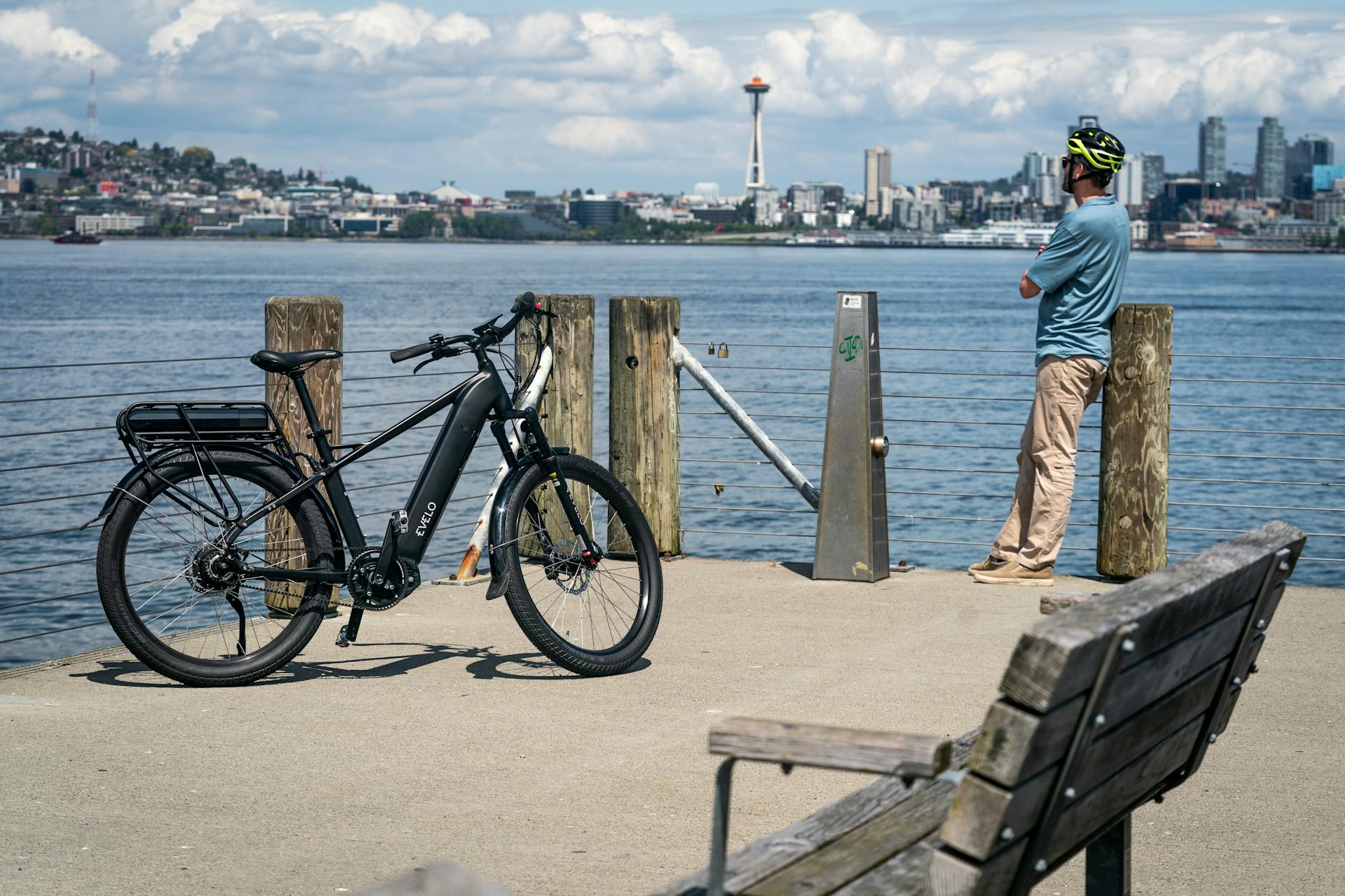
The shift toward electric bikes is forcing many families to reconsider storage that worked for conventional bikes. An e-bike’s 60-pound weight makes ceiling hoists impractical without motorized lifts, and the added thickness of batteries may interfere with hooks designed for thin tube frames. Families anticipating an e-bike purchase within the next few years should choose storage rated for at least 70 pounds per position now, rather than replacing their entire system later.
Conclusion
Storing multiple family bikes in small spaces is fundamentally a geometry problem: trading floor area for wall height and ceiling space through strategic use of hooks, hoists, and vertical positioning. The most successful installations match storage type to each bike’s weight and usage frequency””putting daily riders on accessible wall hooks while seasonal bikes go overhead.
Before purchasing any storage system, measure every bike in your household at full inflation with accessories attached, locate wall studs and calculate usable wall dimensions between obstructions, and honestly assess how often each bike gets ridden. Families who skip this planning step typically waste money on returns, create storage configurations that get abandoned within months, or worse, experience mount failures that damage bikes and walls alike.