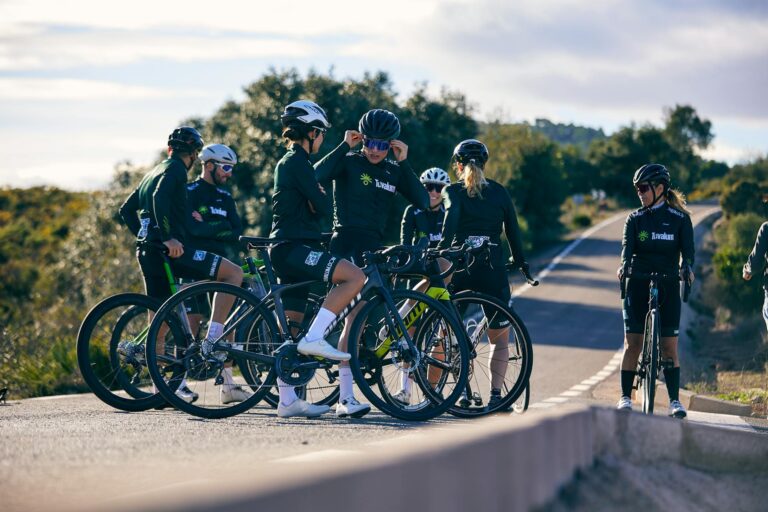
Cycling is a great way to stay active and get around, but it can also be challenging and even dangerous in extreme weather conditions. Whether it’s rain, snow, or a heatwave, cyclists need to take extra precautions to stay safe on the road. But don’t let the weather keep you from enjoying your bike rides! With these tips, you can learn how to stay safe while cycling in any type of extreme weather.
1. Check the weather before you go
The first step to staying safe while cycling in extreme weather is to check the forecast before you hit the road. If there’s a storm or other severe weather warning, it’s best to reschedule your ride for another day. It’s also important to keep an eye on the radar during your ride, as weather conditions can change quickly.
2. Dress appropriately
Proper attire is crucial when cycling in extreme weather. For rain, invest in a good waterproof jacket and pants. Opt for bright colors to increase visibility. In cold weather, dress in layers and make sure to cover your extremities with gloves, hats, and warm socks. And for hot weather, choose lightweight, breathable fabrics and wear a brimmed hat to protect your face from the sun.
3. Stay hydrated
No matter the weather, it’s important to stay hydrated while cycling. In hot weather, you may need to drink more water than usual to prevent dehydration. In cold weather, you may not feel as thirsty, but it’s still important to drink regularly. Keep a water bottle or hydration pack with you on your ride and take frequent sips throughout.
4. Protect your eyes
Extreme weather can make it difficult to see while cycling, so it’s important to protect your eyes. In rainy conditions, wear cycling glasses with clear lenses to keep raindrops out of your eyes. In sunny conditions, opt for sunglasses with UV protection to shield your eyes from harmful rays. And in snowy conditions, choose glasses with yellow or amber lenses to enhance contrast and improve visibility.
5. Adjust your riding style
When cycling in extreme weather, it’s crucial to adjust your riding style to stay safe. In wet conditions, slow down and avoid sudden movements to prevent skidding. In snowy conditions, give yourself extra time to brake and turn. And in hot weather, take breaks in the shade to avoid overheating.
6. Be visible
In any type of extreme weather, it’s important to make yourself as visible as possible to other drivers. Wear bright or reflective clothing and use lights on your bike, even during the day. In snowy conditions, consider using a headlight with a flashing mode to increase visibility.
7. Be prepared for emergencies
In extreme weather, there’s always a chance of something going wrong. Make sure you’re prepared for emergencies by carrying a first aid kit, a spare tire, and tools for minor repairs. It’s also a good idea to bring a fully charged cell phone and let someone know your route and estimated time of arrival.
8. Don’t push yourself too hard
While it’s important to stay active and challenge yourself, it’s also important to know when to call it quits. If the weather becomes too severe or you start feeling unwell, don’t push yourself too hard. Listen to your body and know when it’s time to stop and seek shelter.
9. Consider alternative routes
In extreme weather, it may be necessary to take alternative routes that are safer for cycling. This could mean avoiding busy roads or areas prone to flooding or icy conditions. Plan your route beforehand and be prepared to make adjustments if needed.
10. Trust your instincts
Last but not least, trust your instincts when it comes to cycling in extreme weather. If something doesn’t feel right or safe, don’t hesitate to turn back or take a break. Your safety is the most important thing, and it’s always better to err on the side of caution.
In conclusion, cycling in extreme weather can be challenging, but with the right preparations and precautions, you can stay safe and continue to enjoy your rides. Remember to check the weather before you go, dress appropriately, protect your eyes, adjust your riding style, and be visible to others on the road. And most importantly, trust your instincts and don’t push yourself beyond your limits. Now go out there and conquer any weather condition on your bike!