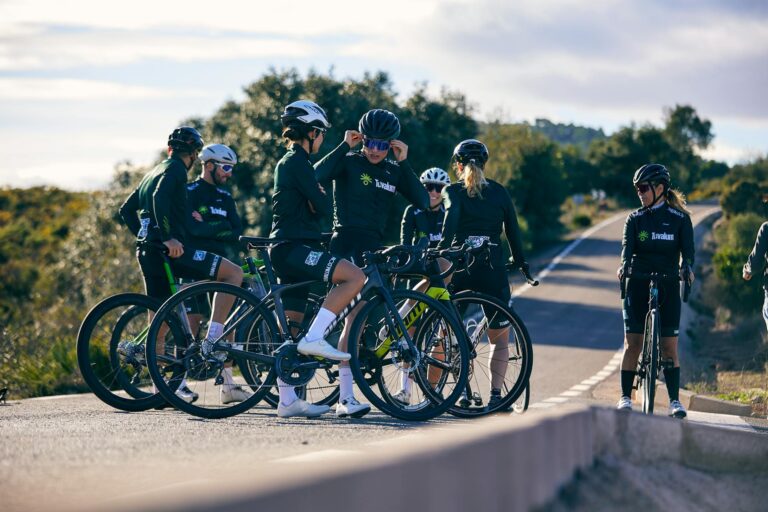
Picture this: it’s a beautiful, sunny day and you decide to go for a bike ride on one of your local trails. As you cruise along, taking in the scenery and feeling the wind in your hair, you notice more and more people also using the trail. Families with young children, runners, dog walkers, and other cyclists all sharing the same path. While this may seem like a peaceful and idyllic scene, it can quickly turn into a chaotic and dangerous situation if everyone doesn’t follow some basic rules and guidelines.
Bike paths and multi-use trails are wonderful resources that allow people to connect with nature, exercise, and commute in a safe and eco-friendly way. However, with so many different types of users, it’s important to know how to ride safely and responsibly to prevent accidents and conflicts. Here are some tips to help you navigate these paths like a pro:
1. Be aware of your surroundings
The first rule of riding on bike paths and multi-use trails is to always be aware of your surroundings. This means keeping your eyes and ears open for any potential hazards or obstacles. Stay alert for other users, animals, and uneven terrain. And always be prepared to slow down or stop if necessary.
2. Follow the designated path
It may be tempting to take shortcuts or go off the designated path, but this can be dangerous and damaging to the environment. Stick to the designated route and respect any closures or signs. If you encounter a detour or closure, follow the instructions and find an alternate route.
3. Use hand signals
Just like when driving a car, it’s important to use hand signals when riding on bike paths. This lets other users know your intentions and can prevent accidents. Use your left arm to signal a left turn, your right arm for a right turn, and your left arm extended downwards for stopping.
4. Keep a safe distance
When passing other users, make sure to give them enough space. It’s recommended to give at least three feet of clearance when passing pedestrians and five feet when passing other cyclists. And always pass on the left side.
5. Ride at a safe speed
Bike paths are not the place for speed demons. When riding on multi-use trails, it’s important to maintain a safe and reasonable speed. This may mean slowing down around blind corners or when approaching intersections. Remember, you’re sharing the path with others, so be considerate of their safety.
6. Yield to pedestrians
On bike paths and multi-use trails, pedestrians have the right of way. Always yield to them and give them the right of way. Slow down or stop if needed and wait for them to pass before continuing on your journey.
7. Keep your pets leashed
If you decide to bring your furry friend along for a bike ride, make sure they are on a leash at all times. This not only ensures their safety but also prevents them from running onto the path and potentially causing accidents.
8. Be courteous to others
Last but certainly not least, always be courteous to other users on the path. This means saying “on your left” when passing, thanking others for yielding, and apologizing if you accidentally get in someone’s way. A little kindness goes a long way on shared paths.
By following these tips, you can help make bike paths and multi-use trails a safe and enjoyable experience for everyone. Remember, these paths are meant to be shared, so let’s all do our part in being responsible users.
But what happens if despite your best efforts, an accident does occur? Here’s where things get interesting.
You may have heard of “biker rage,” a term used to describe the anger and frustration that some cyclists feel when faced with obstacles or conflicts while riding. However, what you may not know is that this phenomenon is not exclusive to cyclists. In fact, in a study conducted by the University of Wisconsin-Madison, it was found that all types of users on shared paths experience frustration and anger, not just cyclists.
But here’s the twist: the study also revealed that empathy is the key to diffusing these negative emotions. When participants were asked to put themselves in the shoes of others on the path, they reported feeling less angry and more understanding of the actions of other users. So next time you find yourself getting upset on a shared path, take a moment to practice empathy and see things from a different perspective.
At the end of the day, bike paths and multi-use trails are meant to be enjoyed by everyone. By following these tips and practicing empathy, we can ensure that these paths remain safe and enjoyable for all. Happy riding!