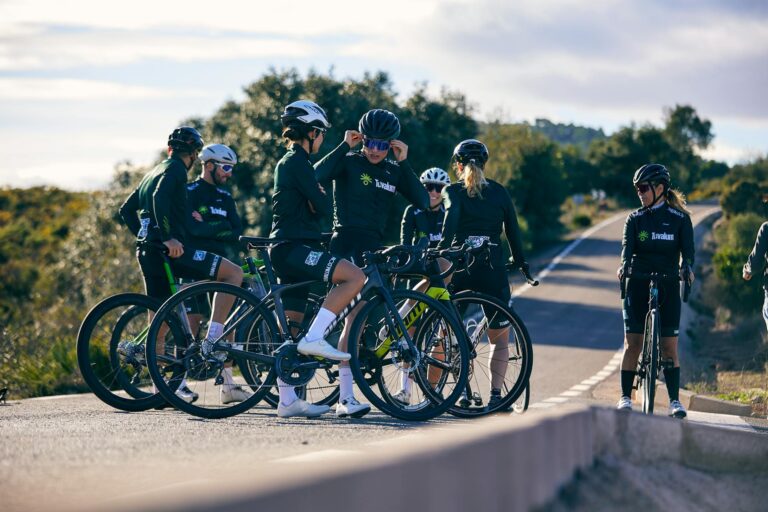
Learning how to ride in a group safely on road bike rides transforms cycling from a solitary pursuit into a social experience that offers drafting benefits, motivation, and camaraderie. Group riding, however, demands an entirely different skill set than solo cycling. The dynamics of riding mere inches from other cyclists at speeds exceeding 20 miles per hour requires trust, communication, and a thorough understanding of established protocols that keep everyone upright and moving forward together. The stakes of group riding are significant. A single rider’s mistake can trigger a chain reaction that brings down multiple cyclists, resulting in injuries ranging from road rash to broken bones.
Statistics from USA Cycling indicate that approximately 45% of recreational cycling crashes involve group riding situations, with the majority stemming from overlapping wheels, sudden braking, or miscommunication. These incidents are largely preventable when riders understand proper technique and group etiquette. The good news is that experienced group riders rarely crash””their skills become second nature through practice and education. By the end of this guide, you will understand the fundamental principles of paceline riding, master the hand signals and verbal calls that keep groups coordinated, learn positioning strategies that maximize safety and efficiency, and develop the situational awareness needed to anticipate problems before they occur. Whether you are joining your first club ride or looking to refine existing skills, this comprehensive resource covers everything from basic formation riding to handling emergency situations within the peloton.
Table of Contents
- What Are the Fundamental Rules for Riding Safely in a Road Bike Group?
- Essential Hand Signals and Communication for Group Road Cycling
- Paceline Techniques and Rotating Formations on Road Bike Rides
- Safe Positioning and Spacing Within the Group Ride Formation
- Handling Hazards and Emergency Situations During Group Cycling
- Group Ride Etiquette and Social Dynamics
- How to Prepare
- How to Apply This
- Expert Tips
- Conclusion
- Frequently Asked Questions
What Are the Fundamental Rules for Riding Safely in a Road Bike Group?
The foundation of safe group riding rests on predictability. Every rider in a group must behave in ways that others can anticipate. This means holding a steady line without weaving, maintaining consistent speed without surging or braking abruptly, and communicating all changes in direction or pace well in advance. Erratic behavior, even with good intentions, creates dangerous situations for everyone behind you. The rider at the back of a 20-person group has no idea what caused the ripple effect of braking that just reached them””they only know they must react instantly.
wheel overlap represents the most common cause of group riding crashes. This occurs when a following rider’s front wheel moves alongside the rear wheel of the rider ahead. If the lead rider shifts laterally for any reason””avoiding a pothole, adjusting position, or simply drifting””contact between wheels almost always results in the following rider going down. The rule is unambiguous: never allow your front wheel to overlap with the wheel ahead. Maintain a gap of one to three feet depending on group speed and your experience level, and always stay directly behind rather than offset to either side.
- **Hold your line**: Ride in a straight, predictable path. Look ahead rather than at your front wheel, and use subtle body movements rather than sharp handlebar inputs.
- **Maintain steady effort**: Use your gears to keep consistent pressure rather than yo-yoing between coasting and pedaling. Gaps open quickly when riders surge and brake repeatedly.
- **Stay alert to your surroundings**: Keep your head up and eyes scanning. Watch the riders two or three positions ahead rather than staring at the wheel directly in front of you.

Essential Hand Signals and Communication for Group Road Cycling
Effective communication distinguishes organized group rides from dangerous clusters of uncoordinated cyclists. Verbal calls and hand signals must pass from the front of the group to the back, and every rider bears responsibility for relaying information. Silence is not an option””if the rider ahead points out a hazard, you must pass that warning backward even if you personally avoided the obstacle easily. Standard hand signals have developed over decades of group riding and remain consistent across most cycling communities. A rider points down toward the road surface to indicate hazards such as potholes, glass, gravel, or debris, using the hand on the same side as the obstacle. An arm extended outward indicates a turn in that direction. A hand waved behind the back signals riders to move over, typically used when passing parked cars or when the group needs to single up for traffic. A raised hand or fist indicates slowing or stopping.
Some groups use a patting motion toward the ground to signal a gradual slowdown as distinct from a stop. Verbal calls complement hand signals and prove essential when visual signals might be missed. “Car back” alerts the group to overtaking traffic. “Car up” warns of oncoming vehicles on narrow roads. “Slowing” communicates deceleration. “Stopping” indicates an imminent halt. “Hole” or “glass” provides specific hazard warnings. “Clear” or “not clear” at intersections helps the group navigate safely. “On your left” announces passing within the group.
- **Relay every signal**: Information degrades as it moves through a group. Active participation in the communication chain keeps everyone informed.
- **Call early and loud**: Give riders time to react. A warning shouted at the last second helps no one.
- **Use consistent terminology**: Stick with standard calls that everyone understands rather than inventing your own system.
Paceline Techniques and Rotating Formations on Road Bike Rides
Pacelines represent the most efficient and common formation for group cycling, allowing riders to share the workload of breaking wind resistance. In a single paceline, riders form a straight line behind a leader who pulls at the front before rotating off and drifting to the back. Double pacelines feature two parallel columns of riders working together, offering even greater drafting benefits but requiring more road space and coordination. The mechanics of paceline rotation vary by group preference but follow consistent principles. In a single rotating paceline, the front rider pulls for a designated period””anywhere from 30 seconds to several minutes depending on speed and conditions””then moves to one side while soft-pedaling as the line advances. The departing rider continues drifting backward until reaching the end of the line, then slots back in.
The key is maintaining group speed during transitions. The rider moving off the front should reduce effort gradually, not brake or accelerate, allowing the line to flow past smoothly. Double pacelines require additional coordination. In the most common rotation pattern, the two lines move at slightly different speeds””the advancing line perhaps 0.5 miles per hour faster than the retreating line. The front rider in the fast line moves laterally to join the top of the slow line, while the last rider in the slow line moves across to the bottom of the fast line. This creates continuous circular motion. The speed differential must be subtle; if too pronounced, riders burn excessive energy during their pull, and if nonexistent, the rotation stalls.
- **Match the group’s tempo**: Resist the urge to accelerate when reaching the front. Maintain the established pace.
- **Keep rotation intervals consistent**: Short, regular pulls maintain group cohesion better than long, heroic efforts that leave riders gapped.
- **Communicate if you cannot pull**: It is acceptable to skip your turn at the front due to fatigue. Signal and move to the back rather than suffering at the front and slowing everyone.
Safe Positioning and Spacing Within the Group Ride Formation
Where you position yourself within a group significantly affects both your safety and the energy you expend. Newer riders should start in the middle or toward the back of the formation, where the pace is more steady and there is more reaction time to events ahead. Riding near the front exposes you to less predictable scenarios””unexpected obstacles, pace-setting decisions, and interaction with traffic””that demand greater experience to handle smoothly. Optimal spacing depends on speed, conditions, and rider experience. At higher speeds on smooth roads, experienced riders might maintain gaps as small as six inches, maximizing the drafting benefit that can reduce energy expenditure by 30% or more.
Recreational groups typically ride with one to three feet between wheels, sacrificing some aerodynamic efficiency for a larger safety margin. In wet conditions, increase following distance substantially””stopping distances multiply on wet roads, and spray from the rider ahead impairs visibility. Lateral spacing within double pacelines requires attention as well. Riders should maintain a consistent gap of one to two feet between parallel columns, close enough for conversation and drafting benefits but far enough that a slight wobble does not result in handlebar contact. When roads narrow or traffic demands, groups must have practiced protocols for transitioning from double to single file quickly and safely. The outside line typically drops back to slot behind the inside line, though groups should establish their preferred method in advance.
- **Avoid half-wheeling**: This term describes creeping ahead of the rider beside you, forcing them to speed up to match. Hold a consistent position relative to your partner.
- **Ride shoulder to shoulder, not staggered**: In double pacelines, stay even with your partner rather than offset. Staggered positioning compromises the aerodynamic benefit and complicates rotation.
- **Know where you are spatially**: Be aware of riders around you without constantly looking. Peripheral vision and listening to the sounds of nearby bikes develop with experience.
Handling Hazards and Emergency Situations During Group Cycling
Even well-organized group rides encounter unexpected situations that demand quick thinking and coordinated response. Mechanical issues, crashes, sudden obstacles, and traffic interactions all require protocols understood by every participant. The worst outcomes typically result not from the initial problem but from poor reactions that compound the situation. When a rider experiences a mechanical issue such as a flat tire or dropped chain, they should announce it loudly”””mechanical” or “flat”””and move toward the side of the road without cutting across the group. Other riders should continue forward rather than stopping abruptly within the pack. The group can regroup safely ahead or circle back once everyone has cleared the immediate area.
Most organized rides have designated sweepers who stay with dropped riders, but the group should confirm before rolling away. Crashes happen despite best efforts, and the immediate response affects outcomes significantly. Riders behind a crash should attempt to avoid the fallen cyclists by steering around if possible, calling “rider down” loudly to alert those behind. Once past, pull over safely and assess whether assistance is needed. Do not stop directly behind a crash where you become an obstacle yourself. For serious injuries, designate one person to call emergency services while others direct traffic and provide first aid if trained. Minor crashes may allow the group to continue after a brief assessment, but any rider with suspected head injury, broken bones, or significant disorientation should not continue.
- **Brake progressively, not suddenly**: Grabbing brakes hard causes rear-wheel skids and gives following riders no time to react. Feather brakes and announce slowing.
- **Look where you want to go**: During evasive maneuvers, your bike follows your eyes. Look at the escape route, not the obstacle.
- **Stay calm during minor contact**: Slight touches of handlebars or shoulders happen in tight groups. Relax your grip and ride through contact rather than overcorrecting.
Group Ride Etiquette and Social Dynamics
Beyond technical skills, successful group riding involves understanding the unwritten rules and social expectations that govern collective cycling. Different rides have different cultures””a fast-paced training ride operates under different norms than a casual social spin. Understanding these expectations prevents friction and ensures everyone has a positive experience. Newcomers to a group should introduce themselves to the ride leader and ask about pace expectations, typical route length, and any specific protocols the group follows. Most organized rides welcome new participants but expect them to honestly assess their fitness level and choose appropriate groups. Showing up to an advanced ride as a beginner creates problems for everyone””struggling riders disrupt the pace while putting themselves at risk.
Similarly, fit riders who sit in on easier rides should avoid turning the outing into an impromptu race. The principle of “no drop” versus “drop” rides shapes group dynamics substantially. No-drop rides wait for all participants regardless of pace differences, making them appropriate for mixed-ability groups and social outings. Drop rides maintain a set pace and expect riders to keep up or turn back independently. Neither approach is superior, but riders must know which type they have joined. Showing up for a no-drop ride and attacking repeatedly frustrates other participants, while expecting a fast group to wait violates the implicit agreement of the ride.
How to Prepare
- **Ensure your bike is mechanically sound**: Check brakes for adequate pad material and proper adjustment. Inspect tires for embedded debris, cuts, or excessive wear. Verify that quick releases or thru-axles are secure. Test shifting across the full range of gears. A mechanical failure during a group ride endangers not just you but everyone nearby.
- **Carry essential supplies**: Bring at least one spare tube, tire levers, a multi-tool, a pump or CO2 inflator, identification, emergency contact information, and funds for emergency situations. Groups cannot wait indefinitely for riders without basic repair equipment.
- **Research the ride characteristics**: Learn the typical pace, distance, terrain, and any specific rules before showing up. Many clubs post this information online or designate ride categories. Matching your current abilities to appropriate groups prevents miserable experiences.
- **Eat and hydrate properly beforehand**: Arrive fueled and hydrated for the effort ahead. Bonking halfway through a group ride leaves you unable to maintain pace and focus, increasing danger for yourself and others.
- **Arrive early and introduce yourself**: Give yourself time to check in with organizers, learn any specific route details, and identify experienced riders you can follow. Building relationships with regular participants improves your integration into the group.
How to Apply This
- **Start with smaller, slower groups**: Seek out beginner-friendly rides or gather a few trusted friends to practice paceline basics before joining large, fast groups. Build foundational skills in lower-risk environments.
- **Position yourself strategically at first**: Ride toward the back initially, where you can observe how experienced riders communicate and rotate. Watch their positioning, timing, and reactions to learn group-specific norms.
- **Practice specific skills deliberately**: During solo rides, work on holding lines, smooth braking, and looking ahead rather than down. These habits must become automatic before they can be reliably executed in group situations.
- **Seek feedback from experienced riders**: Most veteran cyclists happily share knowledge with newer riders who show genuine interest in improving. Ask questions after rides about situations where you felt uncertain.
Expert Tips
- **Focus two riders ahead**: Watching the wheel directly in front of you limits reaction time. By looking further ahead, you can anticipate changes and respond gradually rather than abruptly.
- **Rest your hands on the hoods with fingers covering the brakes**: This position allows quick access to braking while maintaining a comfortable, controlled grip. Riding in the drops limits visibility and maneuverability in tight groups.
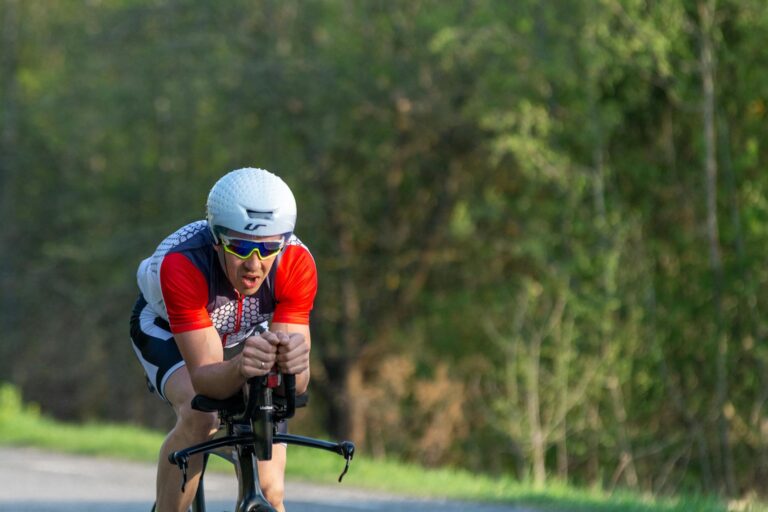
- **Avoid aero bars in group settings**: Time trial extensions have no place in pack riding. They limit bike control, move your hands away from the brakes, and reduce your ability to signal.
- **Eat and drink from the back of the group**: If you need to take a hand off the handlebars to access food or bottles, drift toward the rear first. Never fumble with nutrition while surrounded by other riders.
- **Recognize when to abandon**: If fatigue compromises your ability to hold a line, brake smoothly, or remain alert, stop riding with the group. Continuing past your limits endangers everyone. There is no shame in peeling off.
Conclusion
Mastering group riding safety transforms road cycling into its most rewarding form””fast, efficient, and deeply social. The skills covered here””predictable riding, clear communication, proper paceline technique, smart positioning, hazard management, and etiquette awareness””combine to create cyclists who enhance rather than endanger every group they join. These competencies develop through practice and cannot be shortcut, but the investment pays dividends in both safety and enjoyment. The path forward involves progressive exposure to group riding situations.
Start with smaller groups, pay attention to how experienced riders handle various scenarios, ask questions freely, and prioritize skill development over performance metrics. Every accomplished group rider once occupied the nervous newcomer spot at the back of the pack. With time, the instincts become automatic, the communication natural, and the close-quarters riding comfortable. The cycling community welcomes those who approach group rides with humility, respect, and genuine commitment to collective safety.
Frequently Asked Questions
How long does it typically take to see results?
Results vary depending on individual circumstances, but most people begin to see meaningful progress within 4-8 weeks of consistent effort. Patience and persistence are key factors in achieving lasting outcomes.
Is this approach suitable for beginners?
Yes, this approach works well for beginners when implemented gradually. Starting with the fundamentals and building up over time leads to better long-term results than trying to do everything at once.
What are the most common mistakes to avoid?
The most common mistakes include rushing the process, skipping foundational steps, and failing to track progress. Taking a methodical approach and learning from both successes and setbacks leads to better outcomes.
How can I measure my progress effectively?
Set specific, measurable goals at the outset and track relevant metrics regularly. Keep a journal or log to document your journey, and periodically review your progress against your initial objectives.
When should I seek professional help?
Consider consulting a professional if you encounter persistent challenges, need specialized expertise, or want to accelerate your progress. Professional guidance can provide valuable insights and help you avoid costly mistakes.
What resources do you recommend for further learning?
Look for reputable sources in the field, including industry publications, expert blogs, and educational courses. Joining communities of practitioners can also provide valuable peer support and knowledge sharing.