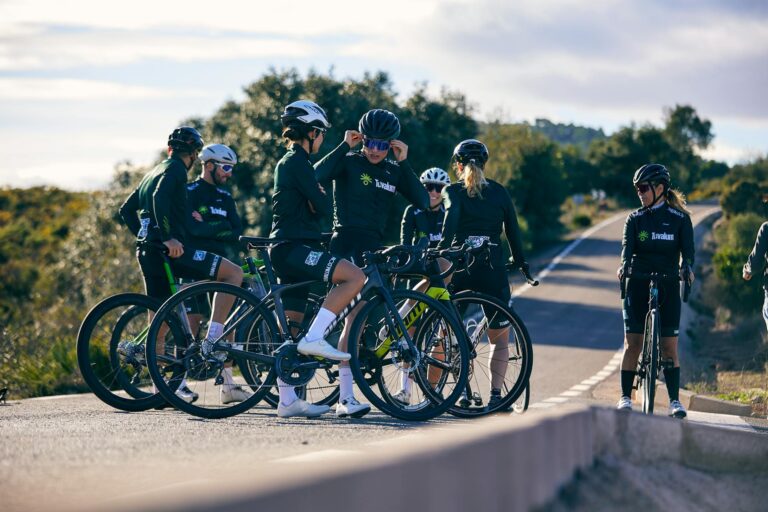
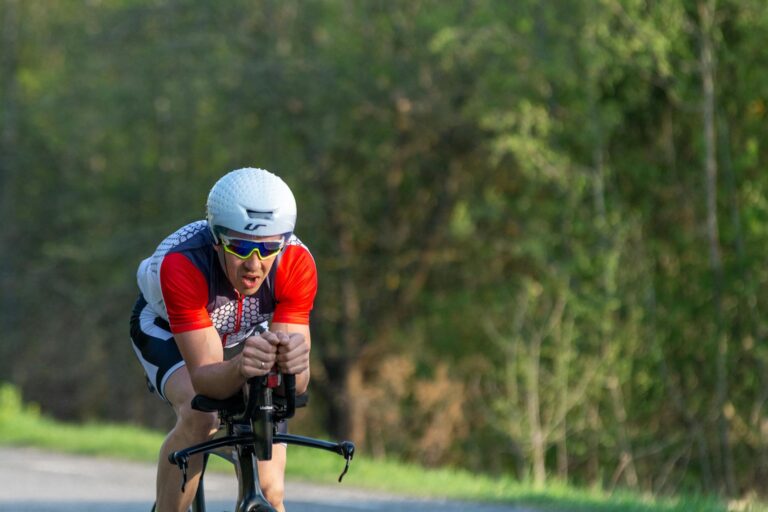
Learning how to recover properly after hard road bike workouts separates serious cyclists from those who plateau or burn out within months of starting an intensive training program. The human body does not become stronger during exercise””it becomes stronger during the recovery period that follows, when muscles repair, glycogen stores replenish, and cardiovascular adaptations solidify. Neglecting this fundamental principle leads to overtraining syndrome, chronic fatigue, decreased performance, and increased injury risk, yet many cyclists focus obsessively on training volume while treating recovery as an afterthought. The questions surrounding post-ride recovery are numerous and often contradictory.
Should you eat immediately after a ride or wait? Is active recovery better than complete rest? How much sleep do cyclists actually need? When should you use compression garments, ice baths, or massage? These decisions matter because hard road bike workouts create significant physiological stress. A two-hour tempo ride or interval session depletes muscle glycogen by 50-80%, causes microtears in muscle fibers, elevates cortisol levels, and creates systemic inflammation. Without proper recovery protocols, subsequent workouts suffer, and cumulative fatigue compounds. By the end of this article, you will understand the science behind cycling recovery, learn specific nutrition timing strategies, discover optimal sleep practices, and gain practical tools for monitoring your recovery status. Whether you are training for a gran fondo, racing criteriums, or simply trying to improve your fitness through structured riding, these evidence-based recovery methods will help you absorb training stress more effectively and arrive at each workout ready to perform.
Table of Contents
- Why Is Recovery After Hard Road Bike Workouts Essential for Performance Gains?
- Nutrition Strategies for Optimal Cycling Recovery
- Sleep and Rest for Road Bike Recovery
- Active Recovery Techniques for Cyclists After Intense Rides
- Monitoring Recovery Status and Avoiding Overtraining Syndrome
- Recovery Tools and Technologies for Serious Cyclists
- How to Prepare
- How to Apply This
- Expert Tips
- Conclusion
- Frequently Asked Questions
Why Is Recovery After Hard Road Bike Workouts Essential for Performance Gains?
The principle of supercompensation explains why recovery after hard road bike workouts determines your long-term progress. When you stress your body through intense cycling, you temporarily reduce your functional capacity. Your muscles are depleted, your nervous system is fatigued, and your endocrine system is disrupted. During recovery, your body not only returns to baseline but overshoots it slightly, leaving you stronger than before””but only if you allow adequate recovery time.
Training again before this supercompensation occurs means you start each workout in a depleted state, gradually digging yourself into a hole. Research from the Australian Institute of Sport demonstrates that cyclists who optimize recovery protocols improve their power output by 3-5% more over a 12-week training block compared to those who train identically but recover poorly. This difference compounds dramatically over a season. Hard efforts on the bike cause exercise-induced muscle damage, characterized by disrupted sarcomeres, inflammation, and temporary strength loss. Complete muscle protein synthesis and repair takes 24-72 hours depending on workout intensity, which means a five-hour endurance ride or a brutal VO2max session requires more recovery than an easy spin.
- **Glycogen replenishment timing matters**: Muscle glycogen resynthesis occurs most rapidly in the first 30-60 minutes post-exercise, when insulin sensitivity peaks and glucose transporters are most active
- **Hormonal restoration requires adequate rest**: Testosterone-to-cortisol ratios normalize during sleep and rest periods; chronic elevation of cortisol from inadequate recovery suppresses immune function and promotes catabolism
- **Neural recovery often lags behind muscular recovery**: Even when legs feel fresh, the central nervous system may still be fatigued, affecting coordination, power production, and perceived exertion
Nutrition Strategies for Optimal Cycling Recovery
Post-workout nutrition represents one of the most controllable and impactful variables in your recovery from hard road bike workouts. The metabolic window following intense exercise presents a unique opportunity for nutrient absorption. During this period, blood flow to muscles remains elevated, insulin sensitivity increases, and muscle protein synthesis machinery is primed for activation. Missing this window does not eliminate recovery, but it slows the process measurably.
Carbohydrate intake should take priority in the immediate post-ride period. Research published in the Journal of Applied Physiology recommends consuming 1.0-1.2 grams of carbohydrate per kilogram of body weight within the first hour after hard sessions, with additional carbohydrate consumption over the following 4-6 hours. For a 70-kilogram cyclist, this translates to 70-84 grams immediately post-ride””roughly equivalent to a large banana, a recovery drink, and a bagel. High-glycemic carbohydrates work best during this window because rapid glucose delivery maximizes glycogen resynthesis rates. Studies show that combining carbohydrates with protein in a 3:1 or 4:1 ratio further enhances glycogen storage while simultaneously providing amino acids for muscle repair.
- **Protein requirements increase with training load**: Endurance athletes require 1.4-1.8 grams of protein per kilogram of body weight daily, with 20-40 grams consumed post-workout to maximize muscle protein synthesis
- **Hydration affects nutrient delivery**: Dehydration reduces blood volume and impairs the delivery of nutrients to recovering muscles; replacing 150% of fluid lost during exercise over the subsequent 2-4 hours optimizes rehydration
- **Anti-inflammatory foods support recovery**: Tart cherry juice, omega-3 fatty acids, and foods rich in polyphenols have demonstrated measurable reductions in delayed-onset muscle soreness and inflammatory markers
Sleep and Rest for Road Bike Recovery
Sleep quality and duration fundamentally determine how well you recover from demanding cycling sessions. During slow-wave sleep, the pituitary gland releases the majority of daily human growth hormone, which stimulates tissue repair and protein synthesis. Sleep deprivation””even modest amounts””blunts this response significantly. A Stanford study on collegiate athletes found that extending sleep to 10 hours per night improved reaction time, mood, and sport-specific performance metrics compared to normal sleep patterns.
Most adult cyclists require 7-9 hours of sleep per night, but those engaged in heavy training often benefit from the upper end of this range or beyond. Elite professional cyclists commonly report sleeping 9-10 hours during intense training blocks, with many adding afternoon naps of 20-90 minutes. The quality of sleep matters as much as quantity. Sleep architecture””the cycling through light sleep, deep sleep, and REM stages””determines the restorative value of time spent in bed. Alcohol, caffeine consumed after noon, blue light exposure before bed, and inconsistent sleep schedules all disrupt sleep architecture even when total sleep duration appears adequate.
- **Room temperature affects sleep quality**: The optimal sleeping temperature for most people falls between 65-68°F (18-20°C); cooler environments facilitate the drop in core body temperature necessary for deep sleep
- **Sleep tracking provides useful feedback**: Devices measuring heart rate variability, respiratory rate, and movement can identify trends in sleep quality that correlate with recovery status and readiness to train
Active Recovery Techniques for Cyclists After Intense Rides
Active recovery after hard road bike workouts involves low-intensity movement that promotes blood flow without creating additional training stress. This approach accelerates the clearance of metabolic byproducts, maintains range of motion, and psychologically eases the transition between hard training days. The key lies in keeping intensity genuinely low””below 55% of functional threshold power or at a heart rate where conversation flows easily. A classic active recovery ride lasts 30-60 minutes at an easy spinning cadence.
Research comparing active recovery to passive rest shows modest but consistent benefits: slightly faster lactate clearance, reduced perceived soreness, and improved subsequent performance in some studies. The gains are not dramatic, but they accumulate over a season of consistent practice. Beyond cycling, other low-impact activities serve the same purpose. Swimming provides excellent active recovery because the horizontal position aids venous return while the water pressure creates gentle compression. Walking, yoga, and light stretching routines all qualify as active recovery when performed at appropriate intensities.
- **Avoid turning recovery rides into training rides**: The most common mistake cyclists make is riding too hard on recovery days; using a heart rate cap or power ceiling helps enforce discipline
- **Foam rolling and self-massage improve tissue quality**: Spending 10-15 minutes with a foam roller targeting quadriceps, hamstrings, IT bands, and hip flexors increases blood flow and reduces adhesions in fascial tissue
- **Mobility work addresses cycling-specific tightness**: Hip flexors, thoracic spine, and ankles commonly become restricted in cyclists; targeted mobility exercises prevent compensatory movement patterns that lead to injury
Monitoring Recovery Status and Avoiding Overtraining Syndrome
Detecting inadequate recovery before it progresses to overtraining syndrome requires systematic monitoring of both objective and subjective markers. Heart rate variability (HRV) has emerged as the gold standard metric for assessing autonomic nervous system status. HRV measures the variation in time between heartbeats, with higher variability generally indicating better recovery and parasympathetic dominance. Athletes can measure HRV using smartphone apps connected to chest straps or optical sensors, taking readings each morning under standardized conditions. Resting heart rate provides another useful data point, though it responds more slowly than HRV to accumulated fatigue.
A sustained elevation of 5-10 beats per minute above your normal baseline suggests incomplete recovery. However, relying solely on single metrics can mislead. The combination of HRV, resting heart rate, sleep quality data, and subjective wellness scores creates a more complete picture. Many coaches and athletes use simple questionnaires rating sleep quality, energy levels, mood, muscle soreness, and stress on scales of 1-5 each morning. Declining trends across multiple markers warrant attention.
- **Overtraining syndrome develops gradually**: The progression typically moves from functional overreaching (short-term performance decline with quick recovery) to non-functional overreaching (extended performance decline) to full overtraining syndrome (months-long recovery required)
- **Warning signs include persistent fatigue despite rest, decreased performance, elevated resting heart rate, sleep disturbances, mood changes, frequent illness, and loss of motivation**
- **Prevention through periodization**: Structured training programs with planned recovery weeks every 3-4 weeks allow cumulative fatigue to dissipate before it reaches problematic levels
Recovery Tools and Technologies for Serious Cyclists
The market for recovery devices has exploded in recent years, with products ranging from evidence-based to pure marketing speculation. Compression garments””socks, tights, and boots””apply graduated pressure that enhances venous return and reduces exercise-induced swelling. Studies on compression boots show modest improvements in perceived recovery and subsequent performance, making them a reasonable investment for cyclists training at high volumes.
Cold water immersion and contrast therapy remain subjects of ongoing research debate. Cold exposure does reduce inflammation and perceived soreness, but some evidence suggests that blunting the inflammatory response may actually impair long-term training adaptations. The current consensus leans toward reserving cold therapy for situations where rapid recovery matters more than optimal adaptation””such as multi-day stage races or competition weekends. Massage, whether from a therapist or percussion devices, improves blood flow, reduces muscle tension, and provides psychological relaxation benefits that support overall recovery even if mechanistic effects on muscle repair remain unclear.
How to Prepare
- **Prepare recovery nutrition in advance**: Before heading out for a hard road bike workout, prepare your recovery meal or shake so it is ready immediately upon return; having a smoothie with protein powder, banana, and berries waiting in the refrigerator eliminates the temptation to delay eating while you shower and change
- **Hydrate adequately before and during the ride**: Starting a workout dehydrated means finishing even more depleted; aim for pale yellow urine color before riding and consume 500-750ml of fluid per hour during intense efforts in moderate conditions
- **Plan your training week with recovery days built in**: Structure your week so hard sessions are followed by easy days or rest days; a typical pattern might include hard efforts on Tuesday, Thursday, and Saturday with recovery or rest on other days
- **Optimize your sleep environment**: Before a training block, ensure your bedroom is dark, cool, and quiet; invest in blackout curtains, maintain consistent sleep and wake times, and remove electronic devices that emit light or sound
- **Stock recovery-supporting foods**: Keep your kitchen stocked with high-quality carbohydrates, lean proteins, fruits, and vegetables so post-ride nutrition choices are easy; when you return exhausted from a ride, convenience determines what you eat
How to Apply This
- **Immediately after finishing a hard road bike workout, consume a recovery drink or snack containing 60-80 grams of carbohydrate and 20-30 grams of protein within 30 minutes; follow this with a balanced meal within two hours**
- **Spend 10-15 minutes after each ride performing light stretching or foam rolling, focusing on hip flexors, quadriceps, hamstrings, and lower back””areas that tighten from the cycling position**
- **Track your recovery metrics daily by recording morning HRV, resting heart rate, and a simple 1-5 wellness score for sleep, energy, and soreness; review weekly trends to identify patterns**
- **Schedule one complete rest day per week with no structured exercise and one active recovery day featuring 30-45 minutes of easy spinning or an alternative low-impact activity like swimming or walking**
Expert Tips
- **Prioritize sleep over early morning training when sleep-deprived**: Completing a hard workout on insufficient sleep creates stress without adaptation; if you slept poorly, convert a planned hard session into an easy spin or take a rest day
- **Separate hard training days from work or life stress when possible**: The body does not distinguish between physical and psychological stress; cortisol is cortisol, and accumulated stress from all sources affects recovery capacity
- **Eat adequate total calories during heavy training blocks**: Many cyclists unconsciously under-eat, creating chronic energy deficiency that impairs recovery; track intake periodically to verify you are meeting the 40-50 calories per kilogram of body weight that serious training demands
- **Use recovery weeks strategically before target events**: Schedule a reduced-volume week 7-14 days before important rides or races; this allows complete recovery and supercompensation when it matters most
- **Listen to accumulated data, not single-day readings**: One low HRV score or one poor night of sleep means little; trends over 5-7 days reveal genuine recovery status and should inform training decisions
Conclusion
Recovering properly after hard road bike workouts is not a passive process that happens automatically with rest. It requires deliberate attention to nutrition, sleep, active recovery modalities, and careful monitoring of your body’s signals. The cyclists who make consistent progress year after year understand that training and recovery form two halves of a single whole””you cannot optimize one while neglecting the other. Every interval session, tempo ride, and long endurance effort represents potential fitness gains, but only when followed by recovery practices that allow your body to adapt to the stress you have applied.
The practical application of these principles does not require expensive equipment or radical lifestyle changes. Eating a carbohydrate-and-protein-rich meal after hard rides, sleeping 8+ hours in a cool dark room, taking genuine rest days, and paying attention to how your body feels will accomplish most of what recovery science recommends. Add in some foam rolling, the occasional massage, and basic HRV tracking, and you have a comprehensive recovery program that rivals what many professional cyclists follow. Start implementing one or two of these strategies this week, observe how your body responds, and gradually build a recovery routine that supports your training ambitions for years to come.
Frequently Asked Questions
How long does it typically take to see results?
Results vary depending on individual circumstances, but most people begin to see meaningful progress within 4-8 weeks of consistent effort. Patience and persistence are key factors in achieving lasting outcomes.
Is this approach suitable for beginners?
Yes, this approach works well for beginners when implemented gradually. Starting with the fundamentals and building up over time leads to better long-term results than trying to do everything at once.
What are the most common mistakes to avoid?
The most common mistakes include rushing the process, skipping foundational steps, and failing to track progress. Taking a methodical approach and learning from both successes and setbacks leads to better outcomes.
How can I measure my progress effectively?
Set specific, measurable goals at the outset and track relevant metrics regularly. Keep a journal or log to document your journey, and periodically review your progress against your initial objectives.
When should I seek professional help?
Consider consulting a professional if you encounter persistent challenges, need specialized expertise, or want to accelerate your progress. Professional guidance can provide valuable insights and help you avoid costly mistakes.
What resources do you recommend for further learning?
Look for reputable sources in the field, including industry publications, expert blogs, and educational courses. Joining communities of practitioners can also provide valuable peer support and knowledge sharing.