Maintaining your hybrid bike with basic tools requires just five essential items and about 30 minutes per week: a set of hex wrenches, a chain lubricant, a tire pump with pressure gauge, a clean rag, and a multi-tool. With these fundamentals, you can handle the most common maintenance tasks that keep a hybrid bike running smoothly””cleaning and lubricating the chain, checking tire pressure, adjusting brakes and derailleurs, and tightening loose bolts. A rider who commits to this simple routine can extend their bike’s lifespan by years and avoid the frustration of mechanical failures mid-ride. Consider the difference between two identical hybrid bikes purchased at the same time: one receives weekly attention with basic tools, while the other gets ridden until something breaks. Within a year, the neglected bike typically needs a new chain, worn cassette, and possibly new brake pads””repairs that could cost more than the bike’s original toolkit.
The maintained bike, by contrast, continues running with the same components, requiring only consumables like lubricant and eventually new cables. This article covers the specific tools you need, how to use them for each maintenance task, common mistakes to avoid, and when a problem exceeds DIY territory and requires professional attention. The beauty of hybrid bike maintenance lies in its accessibility. Unlike road bikes with their precise component tolerances or mountain bikes with complex suspension systems, hybrids are designed for practicality. Their components are robust, their adjustments forgiving, and their maintenance requirements straightforward enough for any owner willing to learn.
Table of Contents
- What Basic Tools Do You Need for Hybrid Bike Maintenance?
- The Weekly Chain Cleaning and Lubrication Routine
- How Tire Pressure Affects Your Hybrid Bike Performance
- Adjusting Brakes Using Only Hex Wrenches
- Derailleur Adjustment: When to DIY and When to Seek Help
- Essential Pre-Ride Safety Checks
- Building Your Maintenance Skills Over Time
- Conclusion
What Basic Tools Do You Need for Hybrid Bike Maintenance?
The foundation of any home bike maintenance kit starts with hex wrenches, also called Allen keys. Most hybrid bikes use metric hex bolts almost exclusively, with 4mm, 5mm, and 6mm sizes covering approximately 90 percent of all adjustments. A quality set of hex wrenches with longer handles provides better leverage and access to recessed bolts””the difference between struggling with a tight stem bolt and loosening it with minimal effort. Ball-end hex wrenches offer the additional advantage of working at angles up to 25 degrees, which proves invaluable when accessing bolts in cramped spaces like water bottle cage mounts behind the seat tube. Beyond hex wrenches, a floor pump with an accurate pressure gauge ranks as the single most-used tool in bike maintenance. Tire pressure affects everything from rolling resistance to puncture protection, and hybrid tires typically require inflation every one to two weeks even without visible leaks.
Chain lubricant appropriate for your riding conditions””wet lube for rainy climates, dry lube for dusty environments””keeps your drivetrain running quietly and efficiently. A clean rag handles chain cleaning, brake rotor wiping, and general grime removal. Finally, a basic multi-tool serves as your on-bike emergency kit, typically including various hex sizes, a chain breaker, and sometimes tire levers. One common mistake involves buying cheap tools that strip bolt heads or break under pressure. A quality hex wrench set typically costs between two and four times what bargain options run, but this investment prevents damaged components that cost far more to replace. However, you don’t need professional-grade Park Tool or Pedro’s equipment for basic maintenance””mid-range options from reputable brands work perfectly well for home mechanics working on their own bikes.

The Weekly Chain Cleaning and Lubrication Routine
Chain maintenance represents the highest-impact, lowest-effort task in hybrid bike care. A clean, well-lubricated chain shifts smoothly, runs quietly, and””most importantly””doesn’t accelerate wear on your cassette and chainrings. These larger components cost significantly more to replace than a chain, so proper chain care protects your entire drivetrain investment. The process takes under ten minutes. First, backpedal the chain through a clean, dry rag to remove surface grime and old lubricant. For heavily soiled chains, a chain-cleaning device filled with degreaser speeds the process, though the rag method works adequately for regular maintenance. Once clean, apply lubricant to each roller while slowly backpedaling””the goal is getting lubricant inside the chain’s pins and rollers, not coating the exterior.
after a minute to let the lubricant penetrate, wipe the exterior clean. Any lubricant on the chain’s outside only attracts dirt and creates the black grime that stains clothes and floors. However, if your chain has been neglected for months or ridden extensively in wet, muddy conditions, surface cleaning may prove insufficient. In these cases, complete chain removal and soaking in degreaser becomes necessary. This requires a chain breaker tool and, for chains with quick links, master link pliers. The good news: once you establish a weekly routine, deep cleaning becomes rarely necessary. A useful indicator is chain sound””a well-maintained drivetrain runs nearly silent, while a dry or dirty chain produces audible clicking and grinding.
How Tire Pressure Affects Your Hybrid Bike Performance
Tire pressure stands as the most frequently overlooked maintenance item, yet it influences ride quality, efficiency, and puncture resistance more than almost any other variable. Hybrid bike tires typically specify a pressure range on their sidewalls, often something like 50-75 PSI, and finding your optimal pressure within that range depends on rider weight, terrain, and preference. Higher pressures roll faster on smooth pavement and resist pinch flats when hitting obstacles, but they transmit more road vibration and provide less grip. Lower pressures offer comfort and traction but increase rolling resistance and puncture vulnerability. A 180-pound rider on smooth bike paths might run 65-70 PSI, while a 140-pound rider on rougher mixed surfaces might prefer 55-60 PSI.
The key is consistency””check pressure before every ride, or at minimum weekly. Tubes naturally lose pressure over time through the rubber itself, typically 5-10 PSI per week depending on tube quality and temperature. When checking pressure, also inspect tires for embedded debris, sidewall damage, and tread wear. Small glass shards and thorns often lodge in tire rubber without immediately causing flats, working their way through over subsequent rides. A moment’s visual inspection catches these before they become tube-puncturing problems. Replace tires when the center tread wears flat or when sidewalls show cracking””riding compromised tires risks sudden failure, and no amount of proper pressure maintenance can compensate for worn rubber.

Adjusting Brakes Using Only Hex Wrenches
Brake adjustment ranks among the most satisfying DIY maintenance tasks because the results are immediately tangible””mushy, grabby, or noisy brakes become responsive and silent. For hybrid bikes with rim brakes, the process involves three main adjustments: pad position, cable tension, and centering. Disc brakes require slightly different techniques but remain manageable with basic tools. For rim brakes, start with pad position. The pad should contact the rim’s braking surface fully, not rubbing the tire above or dipping below to catch spokes. Pads typically have a single 5mm hex bolt allowing position adjustment in multiple directions. Toe the pads slightly””angling them so the front edge contacts first””to reduce squealing.
Next, adjust cable tension using the barrel adjuster at the brake lever or the pinch bolt at the caliper. Proper tension means the pads sit 1-2mm from the rim at rest and engage firmly without pulling the lever to the handlebar. Finally, center the brake so both pads contact simultaneously, typically using a small Phillips or hex screw on one arm. Disc brake adjustment differs primarily in that pad-to-rotor clearance is much smaller””fractions of a millimeter””and alignment is more critical. If your disc brakes rub, first try loosening the caliper mounting bolts, squeezing the brake lever to center the caliper on the rotor, and retightening while holding the lever. This self-centering trick works in most cases. However, if rotors are bent or pads are contaminated with oil, this adjustment won’t solve the underlying problem. Bent rotors require truing with a rotor truing tool, and contaminated pads generally need replacement””both tasks that push beyond basic tool territory.
Derailleur Adjustment: When to DIY and When to Seek Help
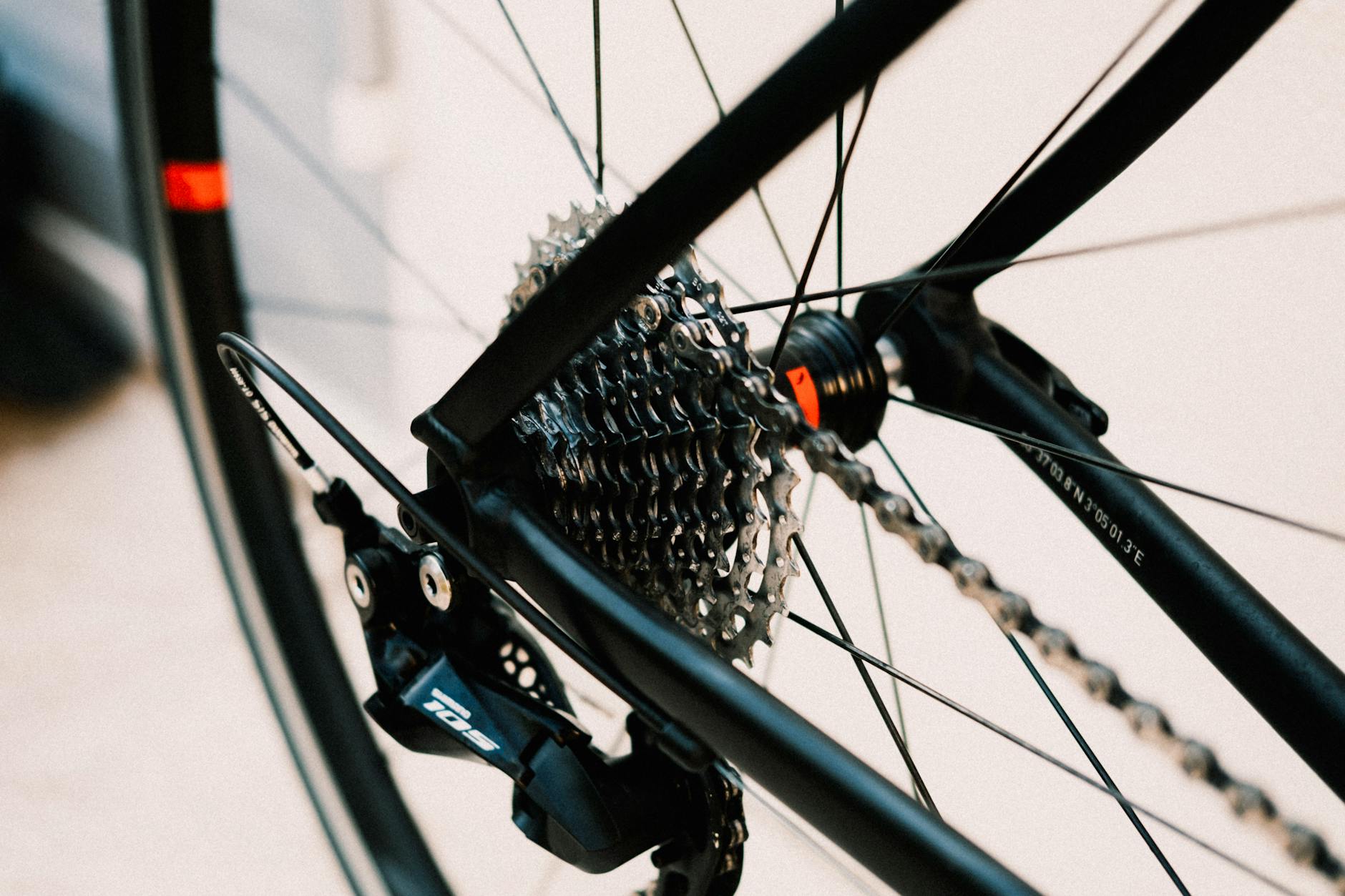
Derailleur adjustment intimidates many home mechanics, but understanding the system demystifies it. Both front and rear derailleurs use limit screws to define their movement range and cable tension to determine position within that range. With a single hex wrench and possibly a Phillips screwdriver, you can handle most shifting issues. Start by identifying the problem. If the chain won’t shift into the largest or smallest cog, limit screws likely need adjustment””the high limit (H) screw prevents the derailleur from moving too far outward, while the low limit (L) screw prevents inward overtravel. If shifting is sluggish or imprecise across the middle gears, cable tension needs adjustment via the barrel adjuster. Turn the adjuster counterclockwise to increase tension (improving shifts to larger cogs) or clockwise to decrease it (improving shifts to smaller cogs).
Make quarter-turn adjustments, testing between each change. However, derailleur adjustment has prerequisites that hex wrenches can’t address. The derailleur hanger must be straight””even slight bends cause persistent shifting problems that no adjustment can correct. Cables and housing must be in good condition, as frayed cables or contaminated housing create friction that barrel adjusters can’t compensate for. Chain wear also affects shifting; a stretched chain won’t mesh properly with cog teeth regardless of derailleur position. If you’ve verified cable tension and limit screw positions but shifting remains poor, one of these underlying issues likely exists. Derailleur hanger alignment specifically requires a specialized tool and is best left to shops unless you plan to invest in the equipment.
Essential Pre-Ride Safety Checks
Beyond weekly maintenance, a quick pre-ride inspection catches problems before they strand you miles from home. This thirty-second check becomes habitual with practice and has prevented countless roadside walks. Focus on the components whose failure creates the biggest problems: wheels, brakes, and drivetrain. The ABC quick check covers it: Air, Brakes, Chain. Squeeze each tire firmly””they should feel rock-hard, not spongy. Spin each wheel checking for wobbles that indicate loose spokes or bearing problems. Squeeze each brake lever ensuring firm engagement well before the lever reaches the handlebar.
Lift the rear wheel and spin the cranks through the gears, listening for grinding or skipping that indicates drivetrain issues. Finally, check quick releases or thru-axles on both wheels to confirm they’re properly secured. This entire sequence takes under a minute once practiced. For example, a rider who skips pre-ride checks might not notice a gradually loosening front quick release until the wheel shifts under braking””a genuinely dangerous situation. The same applies to brake pads worn past their limit or a chain worn to the point of skipping under power. These problems develop gradually and are easy to miss during rides but become obvious during focused inspection. The pre-ride check isn’t paranoia; it’s pattern recognition for catching gradual deterioration before it becomes sudden failure.
Building Your Maintenance Skills Over Time
Home bike maintenance follows a natural progression from basic tasks toward increasingly complex work. Starting with chain care and tire pressure, most riders quickly become comfortable with brake adjustments and then derailleur tuning. Beyond these fundamentals lie tasks that require additional tools or specialized knowledge: bearing adjustments, wheel truing, hydraulic brake bleeding, and suspension service.
The decision to expand your toolkit depends on how much you ride and whether you enjoy mechanical work. A recreational rider covering fifty miles weekly might never need more than the basic kit, relying on annual professional tune-ups for advanced tasks. A daily commuter or enthusiast putting in serious miles might find that investing in a wheel truing stand, cone wrenches, and cable cutters pays for itself quickly in avoided shop visits. There’s no wrong answer, but most riders find that mastering the basics””the tasks covered in this article””handles ninety percent of their maintenance needs.
Conclusion
Hybrid bike maintenance with basic tools isn’t about becoming a professional mechanic””it’s about understanding your machine well enough to keep it running safely and efficiently. The five essential tools (hex wrenches, floor pump, lubricant, rag, and multi-tool) combined with thirty minutes weekly handles the maintenance that matters most: clean drivetrain, proper tire pressure, responsive brakes, and reliable shifting. This routine catches developing problems early, when they’re cheap fixes rather than expensive repairs. The path forward involves simply starting.
Pick up those hex wrenches, learn what each bolt on your bike does, and begin the weekly habit. Each maintenance session builds familiarity with your specific machine””you’ll learn its sounds, notice when something changes, and develop the confidence to diagnose and address issues. Your hybrid bike is designed for accessibility in every sense: accessible transportation, accessible riding, and accessible maintenance. Take advantage of that design philosophy.